Everyone has mental health, and looking after it is just as important as physical health. However, men can face unique pressures and social expectations which make it difficult to manage poor mental health.
In this blog, we’re exploring:
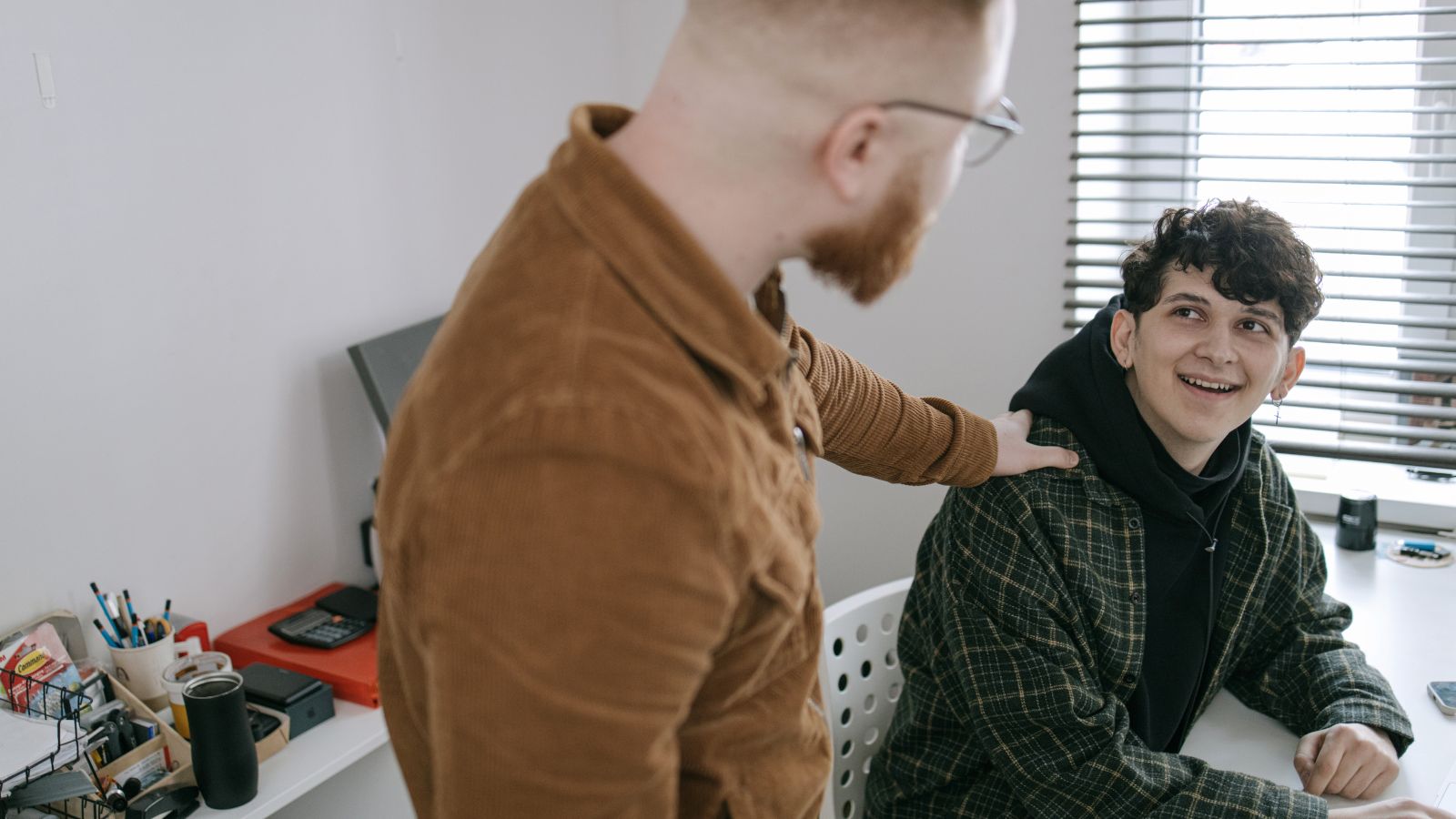
Men in Northern Ireland are disproportionately affected by suicide. In 2024, around four out of five suicides were men. It is also the leading cause of death for men under 501.
Men in Northern Ireland are also less likely to seek support for their mental health than women (49% men vs 57% women)2.
While gender does influence experiences of mental health, every man’s experience will be different. Other factors such as race, sexuality, and disabilities will also play a role in how men experience the world and what impacts their mental health.
Life can be challenging at times. A person of any gender might experience mental health difficulties due to work pressure, money worries, relationship or family breakdowns, bereavement or physical health issues.
Major life changes can also have a huge impact. Postnatal depression or anxiety is often associated with women, but around one in ten new fathers also experience it3.
Although anyone can develop a mental health condition over their lifetime, there are complex gender differences in how these are experienced and talked about by men.
Men face a particular stigma with their mental health. Cultural norms and social pressures have taught many men in Northern Ireland to hide their feelings or just ‘man up’.
Stereotypes about what it means to be ‘masculine’ – stoic, tough, the solid rock of the family – can be harmful. It implies that experiencing normal human emotions is something to be ashamed of or makes you ‘weak’. That’s simply not true.
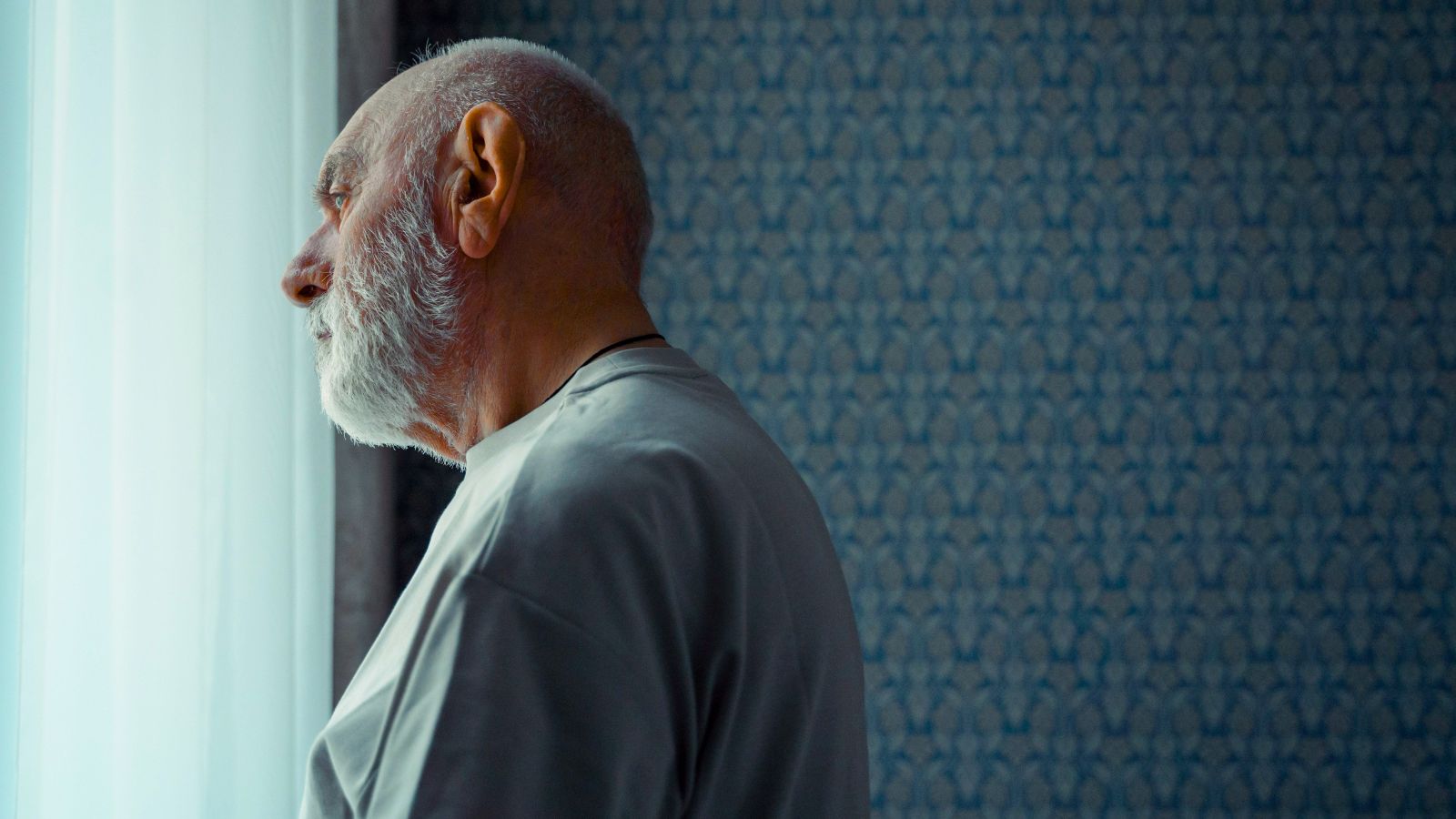
The stigma around mental health is one reason why men are less likely than women to seek support for mental health.
But mental health conditions might also be missed because the signs and symptoms can look different for men.
Sometimes men who are struggling with their mental health appear more irritable or angry than sad or anxious. Other signs can include:
It can be hard for some men to name what they are feeling and recognise it as something that they need support with. If any of these signs sound familiar, it might be time to give your mental health some extra attention.

Whether you are dealing with mental ill-health or not, there are lots of practical things you can do regularly to look after your wellbeing.
How are you really feeling? It’s normal to feel low or stressed sometimes. Emotions will usually pass on their own, especially when you acknowledge them and accept it’s ok to feel them.
But if difficult emotions continue for a few weeks or more, or start impacting your daily life, seeking support is the best thing you can do.
Connecting with others is one of the best ways to maintain good mental wellbeing. It strengthens our sense of belonging and reminds us we don’t have to deal with hard times alone.
If you are going through a difficult period, opening up about your mental health is a huge sign of strength. Talking through your thoughts and feelings with someone you trust can help you feel less overwhelmed and work out what to do next.
Exercise isn’t just important for our physical health. Research consistently shows that physical activity is one of the best ways to maintain your wellbeing. This is because when we exercise, our bodies release mood-boosting hormones like endorphins.
In fact, exercise is proven to be an effective treatment for depression. Walking and jogging, yoga, and strength training are especially beneficial4. But any type or amount of activity will help – the important thing is to find something you enjoy and do it regularly.

Sleep and mental health are closely linked. Poor sleep over an extended period can affect your mood, concentration and ability to cope with daily life. Equally, feeling stressed or worried can make sleep more difficult.
Aim for 7 to 9 hours of sleep a night. Things that can help with this include:
Sometimes mental health becomes difficult to manage alone. Asking for help can be hard, but it is not a weakness. In fact, recognising that you need support and asking for it is a great sign of strength and self-awareness.
People can and do recover from mental ill-health, especially when they reach out and get support early.

You do not have to be in crisis to get support for your mental health.
Your mental health is just another part of your overall health. So, if you have concerns, your GP can help. They will discuss your symptoms and explore the best treatment options for your situation.
If you are in crisis or need to talk to someone urgently, the support lines above are free, confidential and available 24/7. You can also visit the websites for other ways to get in touch.
If you think someone in your life might be having a tough time, it can be hard to know what to do to help. Or, you might worry about saying the wrong thing. Here’s a few things you can do to start the conversation:
If you’re worried someone is having thoughts of suicide, you can ask them. It’s usually a relief for people to have the space to talk about what they’re going through without feeling like a burden or having to bring up the topic themselves.
Samaritans have a useful guide with more advice on supporting someone with suicidal thoughts.

Being resilient doesn’t mean you aren’t affected by life’s challenges, or that you feel happy all the time. It means you have the skills to handle the hard times and can appreciate the good ones.
Strength also means knowing when you aren’t managing on your own and reaching out for help. You don’t have to wait until you are in crisis to deserve support.