We’ve all been there. Life gets busy. Between work, family responsibilities, and social commitments, it can feel hard to find the time to check in with your mental wellbeing.
The good news is looking after your mental health doesn’t have to take hours. Small habits can have a big impact on how we feel. Starting with just 5 minutes a day to pause and reset will go a long way in restoring a sense of calm to a busy life.
This World Mental Health Day, we’re sharing 5 simple mental wellbeing tips you can try in just 5 minutes. If you’re feeling stressed, overwhelmed, or just don’t know where to start with self-care, these 5 quick techniques will fit easily into your daily routine, helping you find a moment of peace in every day.
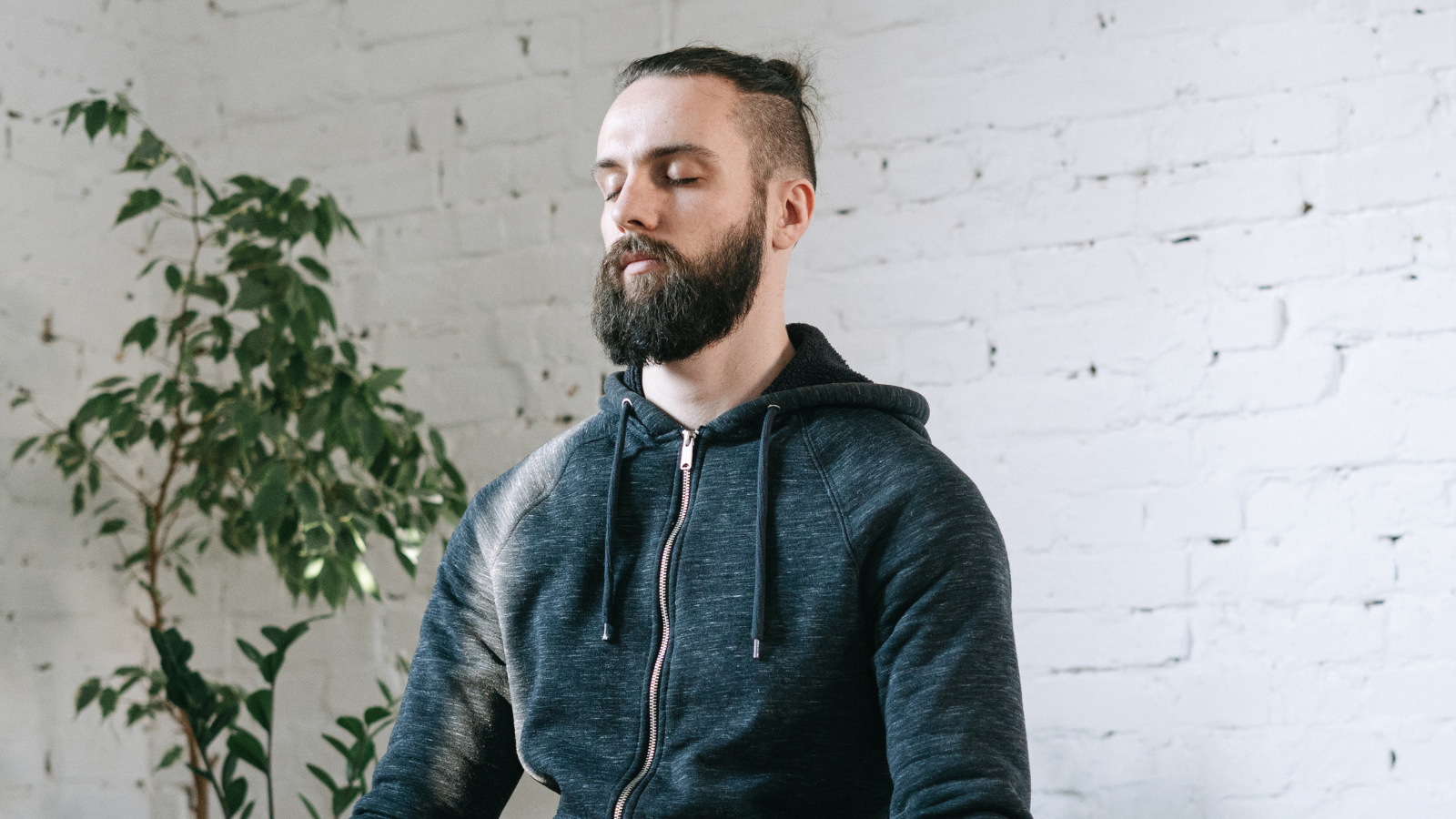
Pause and notice how you are breathing. Often when we’re feeling worried or stressed, our breathing becomes faster and shallow.
Breathing exercises can help you slow down. Try making your exhale longer than your inhale. Like this:
Quick, shallow breathing can make our body think we’re in danger even when we’re not. But breathing deeply activates our body’s in-built relaxation response.
There are lots of different breathing patterns you can try, so find what works for you. For more breathing exercises and calming skills, check out Minding Your Head.
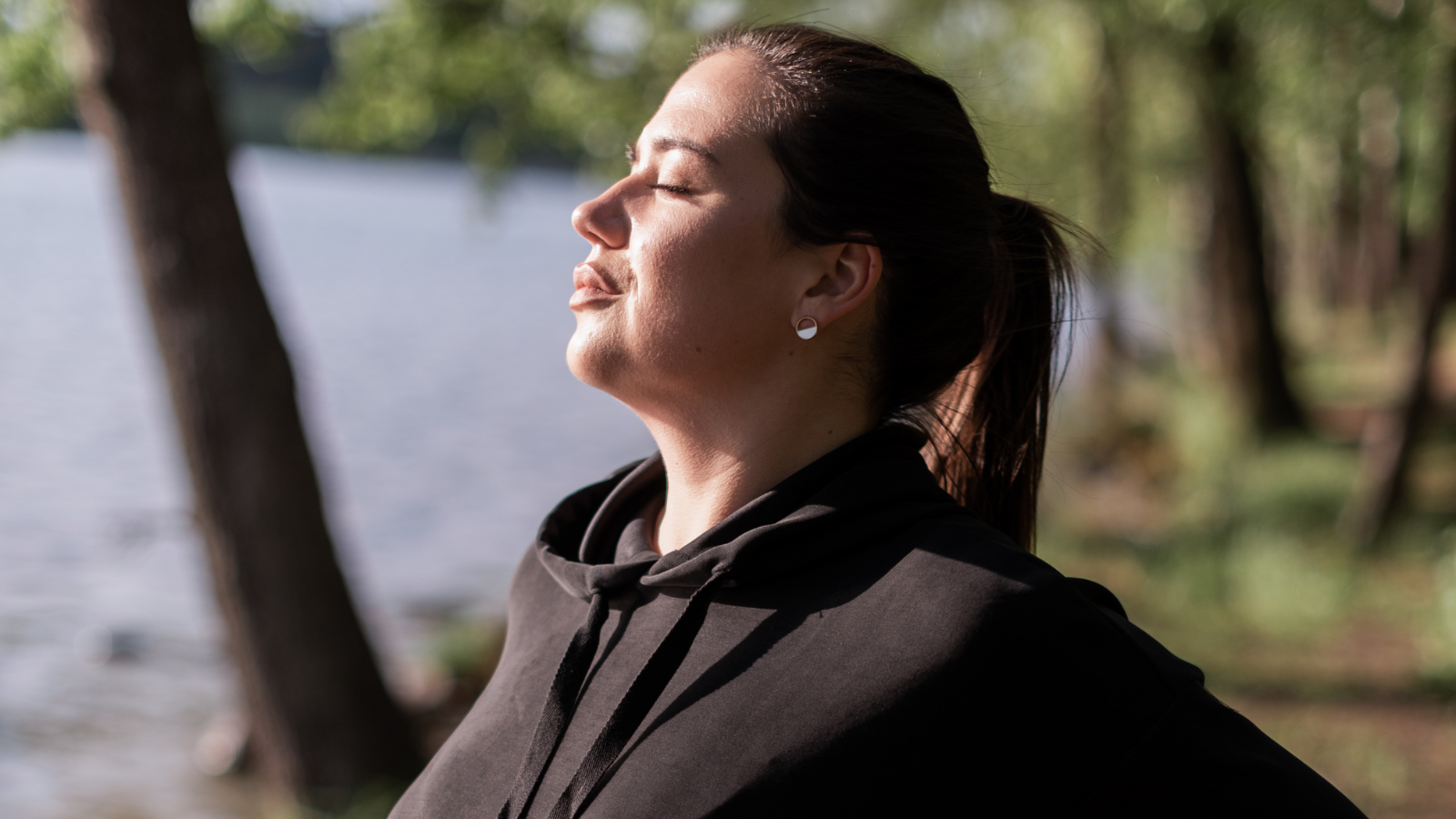
Step outside or take a quick walk round the block if you can. Even opening a window and looking outside can work.
Take a moment to ask yourself:
Using our senses helps to ground us in the present moment and break the spiral of overthinking. If you can get out into nature – even better!

Grab a journal or the notes app in your phone and write down 3 good things that have happened today, however small. For example:
Our brains have what’s called a ‘negativity bias’. That means they are wired to pay attention to problems, often making us focus on negative experiences more than positive ones.
But this can make it easy to miss what’s going well in life.
Deliberately making time to notice what you’re grateful for can help you find a more balanced perspective.

It’s easy to withdraw or isolate ourselves when we feel low. But connecting with others is one of the best things you can do to support your day-to-day mental wellbeing.
In 5 minutes you could:
Human connection boosts our sense of belonging. Talking to someone about how you’re feeling can give you emotional support when you really need it. It doesn’t have to be a deep conversation to make a difference. Even the small moments remind us we aren’t alone.

When we feel anxious or stressed, we go into ‘flight or fight’ mode and our body tenses up – often without us noticing.
Taking 5 minutes to do some gentle stretches can help you get rid of that built up tension. You could try:
Stretching your muscles signals to the nervous system that it can relax into ‘rest and digest’ mode which lowers your heart rate and stress hormones. Gentle movement also triggers the release of endorphins and mood-boosting hormones.
The NHS have more gentle stretching exercises to improve your health and flexibility. Always take care when stretching and stop if you feel any sharp pain. If you’re unsure what physical exercises are right for you, speak to your doctor.
Like all self-care tools, these 5 techniques get easier with practice. They will help you to relieve stress in difficult moments, but they’re also more effective when you do them regularly, even when you feel calm.
Think of it like strengthening a muscle – working out regularly so when you need to lift something heavy, you have the strength to do it more easily. The more you practise self-care habits, the easier it is to remember them when you need them most, and the more impact they will have.
A little goes a long way for your mental wellbeing. Why not make this World Mental Health Day the time you start planning 5 minutes each day for some wellbeing exercises. Your brain and body will thank you!
If you are concerned about your mental health, support is available. Speak to your GP, explore Action Mental Health services, or visit Minding Your Head to find the right service for you.
If you are in crisis or distress, or concerned about someone who is, call Lifeline on 0808 808 8000. Trained counsellors are available 24/7.