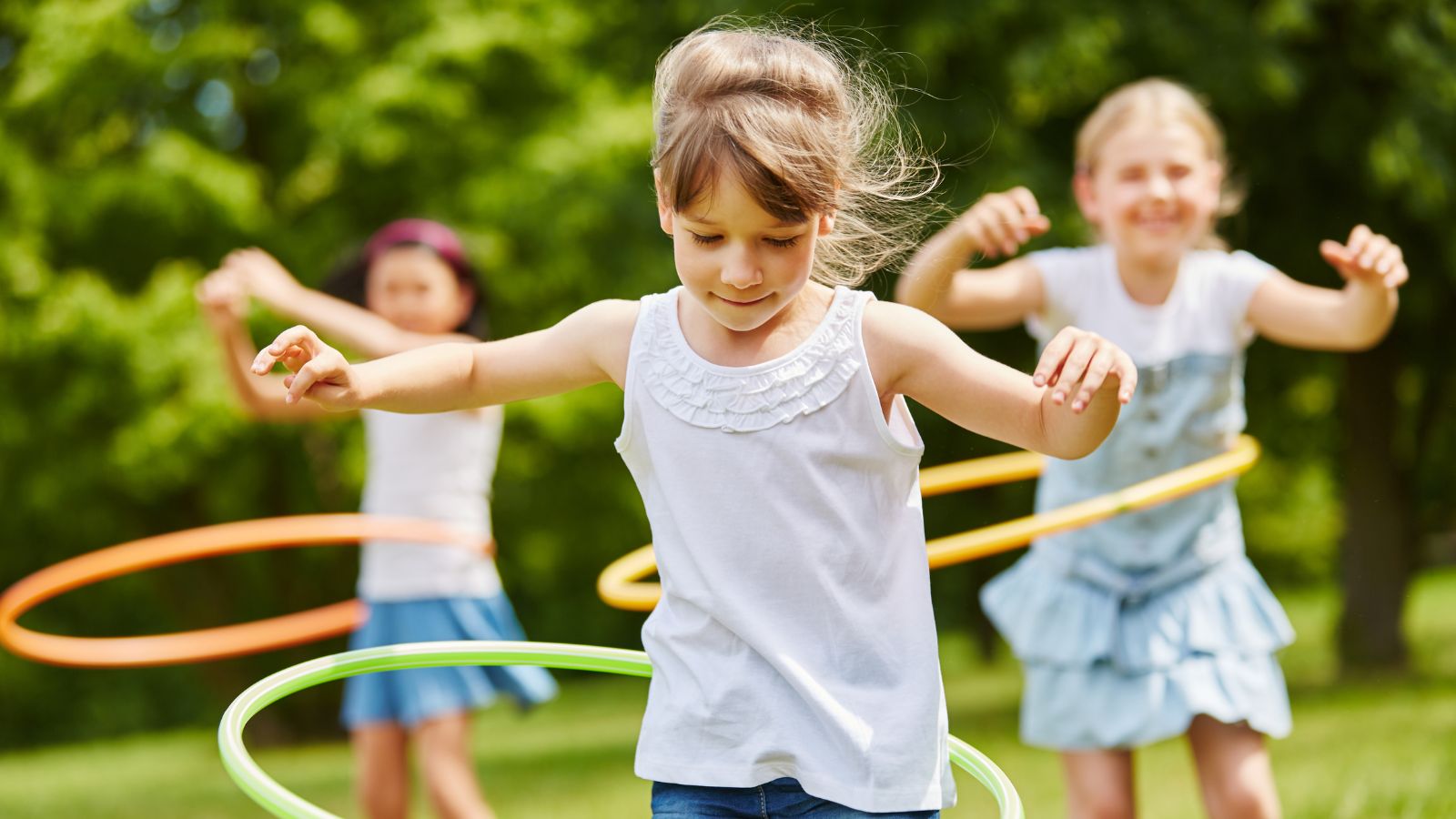
The summer holidays are well and truly underway.
Many children thrive with the freedom of later mornings, days out, and a welcome break from school. But alongside all the excitement, two months away from the usual structure can sometimes bring its own challenges.
Friendships may be harder to maintain, routines can drift, and parents often find themselves juggling work, childcare and family life all at once.
The good news? Supporting your children’s wellbeing over the summer doesn’t mean an expensive holiday or a packed calendar. In fact, many of the things that matter most are simple, everyday activities that help children feel connected, confident and secure.
The Five Ways to Wellbeing are the most evidence-based actions to support positive mental wellbeing for all ages. Here are some simple steps to easily weave the Five Ways into family life this summer:
Five Ways to Wellbeing: Take Notice

Let’s be honest, nobody wants the summer holidays to feel like school.
But children generally feel more secure when they know what to expect. A predictable rhythm to the day helps them feel safe and reduces stress.
That doesn’t mean scheduling every minute. Instead, think about keeping a few key anchors in place:
You could even create a colourful family summer planner together. Involving children in planning activities can boost confidence and give them a sense of control.
Five Ways to Wellbeing: Be Active
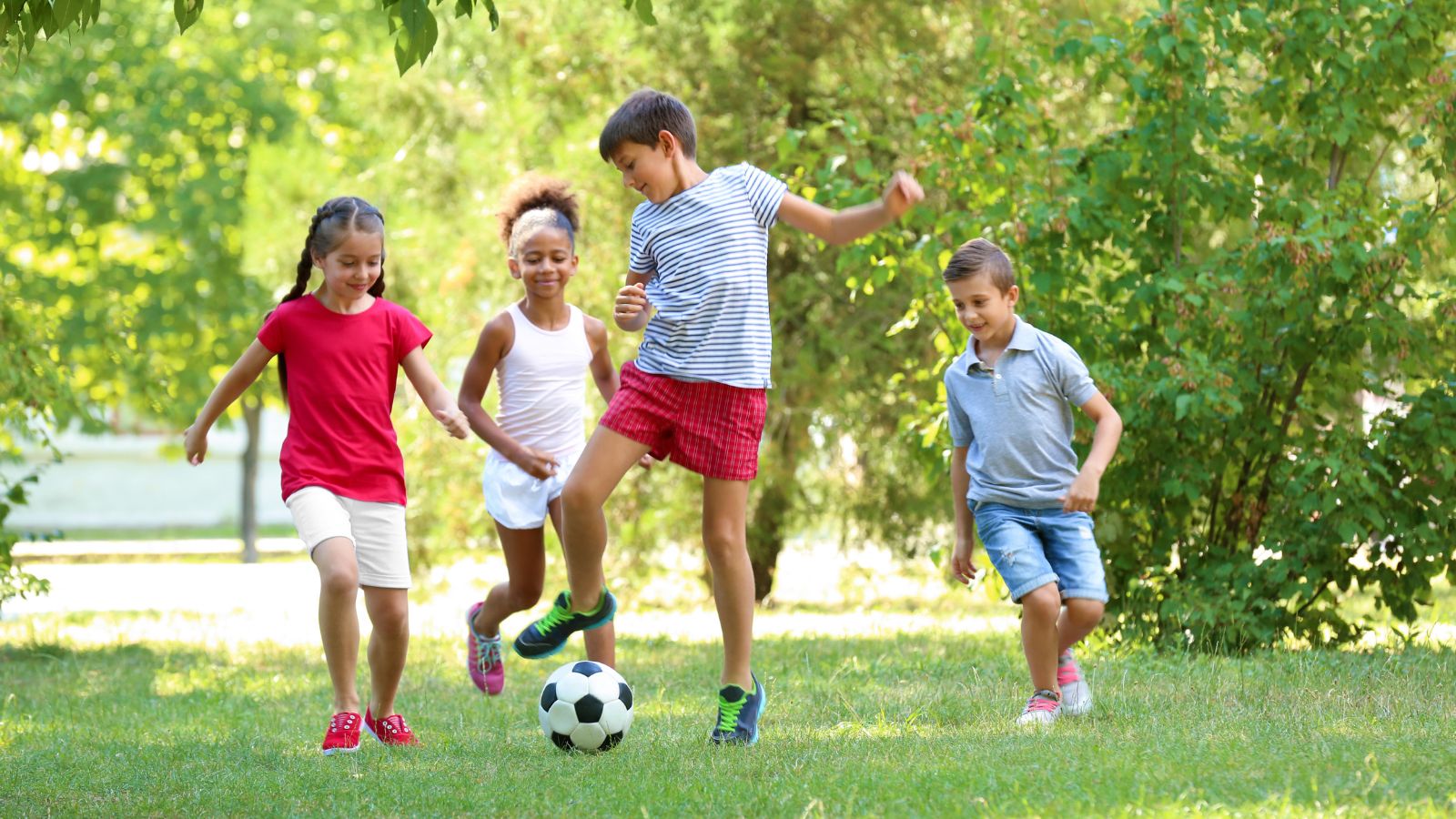
When we think about exercise, it’s easy to picture sports clubs and organised activities.
But for children, movement should be fun first.
Research shows that sports and physical activity have a positive impact on wellbeing and can even be effective in treating symptoms of diagnosed mental health conditions like depression1.
The best activities are often the simplest, and don’t cost the earth:
Why not try: Northern Ireland has no shortage of amazing outdoor spaces, from local parks to coastlines and greenways. Check out Discover NI’s guide to Family-Friendly Walks for some inspiration.
Five Ways to Wellbeing: Connect

Friendships are incredibly important to children’s wellbeing.
During term time, school naturally provides opportunities for connection. In summer, those friendships can sometimes fade into the background.
Try creating opportunities for children to stay connected:
Connection doesn’t just mean friendships either.
Spending quality time together as a family helps children feel supported and valued. Something as simple as eating dinner together, playing a board game or chatting about the day’s highlights can strengthen emotional bonds.
The evidence behind the Five Ways to Wellbeing shows that strong relationships are one of the most important contributors to positive mental wellbeing.
Why not try: Libraries NI have lots of upcoming events across the country as part of their ‘Big Summer Read 2026’. Have a look at what’s on near you!
Five Ways to Wellbeing: Take Notice and Keep Learning

Summer is a fantastic opportunity for children to follow their interests and keep learning beyond the classroom.
Research shows that trying new things and learning new skills can boost confidence, self-esteem and wellbeing. Creative activities are especially great for helping children to slow down and focus on the present moment.
Here are some suggestions:
The aim is not to totally master a skill, but to explore new hobbies and talents. Just giving something a go can be a huge confidence-booster.
Why not try: Get crafty and make a ‘Feelings Tree’. Throughout the week, children can write how they are feeling on a paper leaf and add it to the tree. This is a great way to help children understand their emotions.
Five Ways to Wellbeing: Give

When we show kindness to someone, our brain releases dopamine and serotonin – natural chemicals which make us feel good2. So, giving to others is a great way to boost our wellbeing.
For children, this could mean:
These acts may be small but can have a powerful impact on developing empathy and a sense of belonging.
It’s normal for children to feel sad, frustrated or worried at times. But some signs that a child might be struggling can include:
If you spot any of these signs regularly, or if your child’s daily life is being heavily impacted, you might want to seek further help from your child’s GP.
Children can also get support 24/7 online at childline.org.uk or by calling 0800 1111.

It’s easy to feel pressured to make every day of the holidays feel like an unforgettable adventure.
But a summer filled with laughter, connection, outdoor play, creativity and time together can do far more for wellbeing than an overloaded schedule.
By building opportunities to Connect, Be Active, Take Notice, Keep Learning and Give, you’re helping your child develop the emotional skills and resilience that support good mental health long after summer ends.