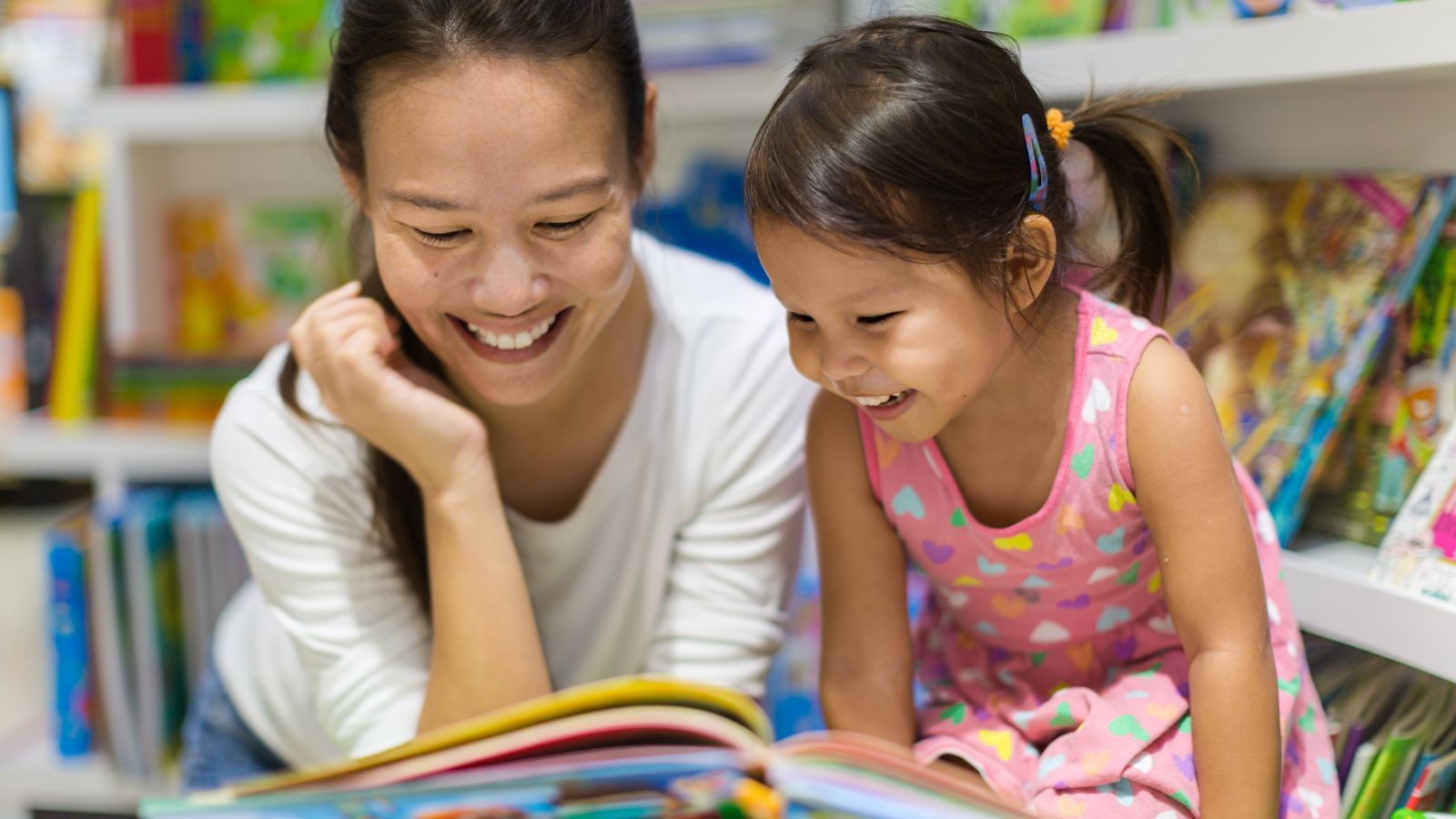
Mental health in childhood is simply about how children feel, think, and cope day to day.
Just as children grow physically, their mental health develops too. With the right support and safe environments, most children learn to feel positive in themselves, build confidence, and handle life’s challenges.
The more we talk about how we feel, the easier and more normalised it is for children to do the same.
Consistency and daily habits help children feel secure because they know what to expect from their day-to-day lives.
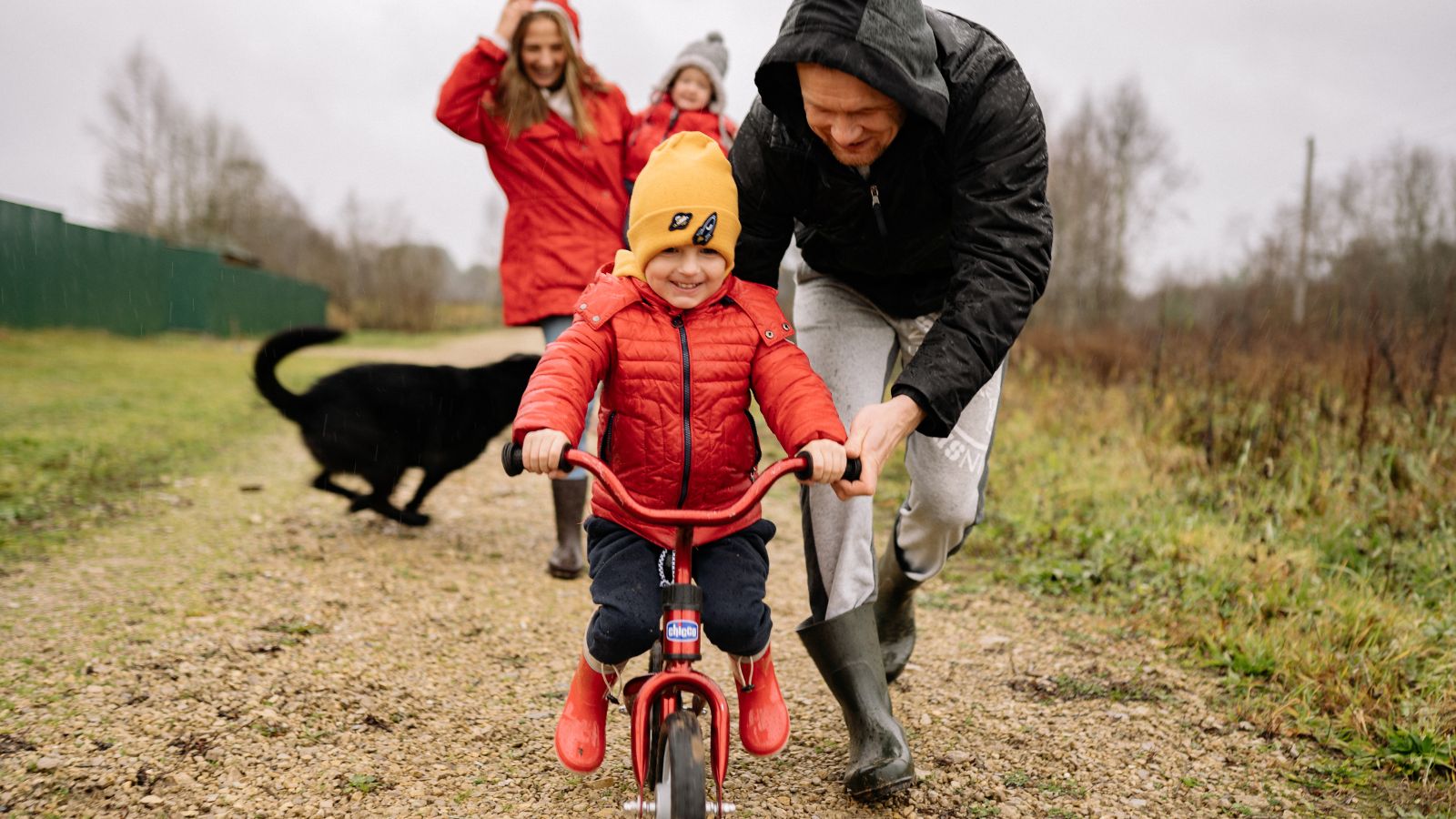
Getting outdoors and burning off energy will do wonders for their mood – and yours! Try a family walk, a trip to the park or even an online exercise video on the rainy days.
Your enthusiasm motivates them to explore and expand their interests. This helps children to keep learning, which is one of the 5 ways to wellbeing.
Things like joining a sports club or trying something creative are great ways for children to make friends and express themselves.

Every time you praise them or show you trust them, you are helping them feel valued and worthy of respect.
Your child may not want to talk yet or feel they have the language to express their feelings. Just knowing you care and are on their side is important.
If your child struggles to express emotions verbally, you could try texting, voice notes, drawing or even emojis.
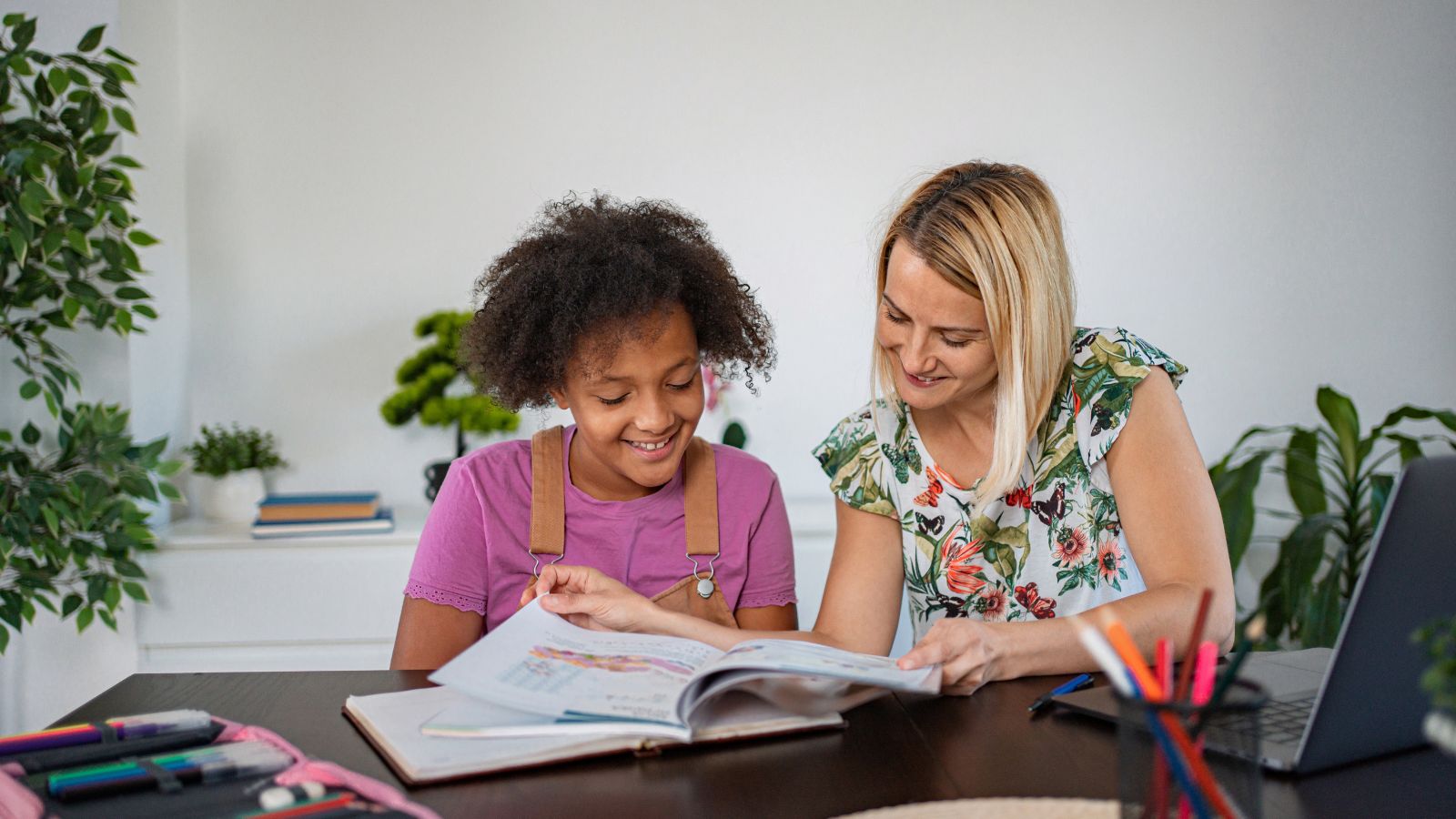
It might not seem important, but to them, it means a lot. Try to listen carefully and reassure them that it’s ok to feel that way.
Your child may find it easier to speak to someone else, like another family member or a school counsellor. This can sometimes be difficult for parents but the important thing is that your child feels comfortable talking to someone they trust.
If you or your child are struggling with your mental health, reaching out for help is a really positive step.
Here are some places you can find support:
For more information, activities and tools on supporting children’s wellbeing, check out our resource library for Children’s Mental Health Week 2026.