


Christmas is often described as the season of giving. We might immediately think about presents under the tree and the joy this brings to those around us.
But did you know that giving – whether it’s time, money, or a kind gesture – can also improve your own mental health?
In this blog, we’re exploring why giving is important, the science behind its benefits, and some easy and inexpensive ways you can give this Christmas.
Why Giving Matters for Mental Health
‘Giving to others’ is one of the 5 Ways to Wellbeing. These are evidence-based steps that we can all take to improve our mental health and wellbeing. 1
The festive period can be overwhelming, so it’s especially important to look after your wellbeing at this time of year.
But, giving doesn’t have to mean buying expensive Christmas gifts. Offering your time or simply showing kindness are just as rewarding. And it’s something we can do every day.
The Science Behind Generosity
When we experience kindness from others, the brain releases dopamine and serotonin – natural chemicals that your body produces to make you feel good. This response also happens when we show kindness to others, so it’s a win-win!2
Even being aware of our generosity can have an impact. Studies have found a link between counting your acts of kindness over one week, to an increase in happiness and gratitude3.
Research has also demonstrated that performing acts of kindness can help you feel more connected to others4, which is another of the 5 Ways to Wellbeing.
Christmas can be a difficult and lonely time of year for many people, so sparking that social connection and strengthening your support networks can be hugely beneficial.
Simple Ways to Give this Christmas
Giving doesn’t have to be expensive or complicated. Here are some ideas to show kindness over the festive period:
Check in with someone
You could send a Christmas card to an old friend, visit an elderly neighbour or call a friend that might be struggling.
Share your skills
Help a work colleague with a difficult task, bake some festive treats for your friends or lend a hand with some DIY.
Try a random act of kindness
Even something as simple as saying hello to a passer-by while out on your dog walk could brighten their day!
Volunteer in your community
Local food banks or community groups can really benefit from an extra helping hand over the Christmas period. Plus, it’s a great opportunity to meet new people and connect with those around you.
Donate to a cause you care about
Giving any amount to charity, whether it’s a single donation or monthly contribution, will make a vital difference. Donating to Action Mental Health allows us to support even more people in Northern Ireland experiencing mental ill-health, all year round.
The Gift of Giving
Every act of kindness, big or small, will make an impact. So, this Christmas, consider giving not just as a seasonal tradition, but as a vital way to nurture your own mental health. Start small, be intentional, and take notice of the joy you create.
There are lots of ways you can support Action Mental Health this Christmas.
Whether it’s a donation, or festive fundraising with your family, school or colleagues, we really appreciate your generosity.
If you’d like to find out more, we’d love to hear from you. Email us at [email protected].
3 Otake, K. & Shimai, S. & Tanaka-Matsumi, J. & Otsui, K. & Fredrickson, B. (2006). ‘Happy People Become Happier through Kindness: A Counting Kindnesses Intervention.’ Journal of happiness studies. 7. 361-375. 10.1007/s10902-005-3650-z
4 Cregg, D. R. and Cheavens, J. S. (2022) ‘Healing through helping: an experimental investigation of kindness, social activities, and reappraisal as well-being interventions’, The Journal of Positive Psychology, 18(6), 924–941. https://doi.org/10.1080/17439760.2022.2154695
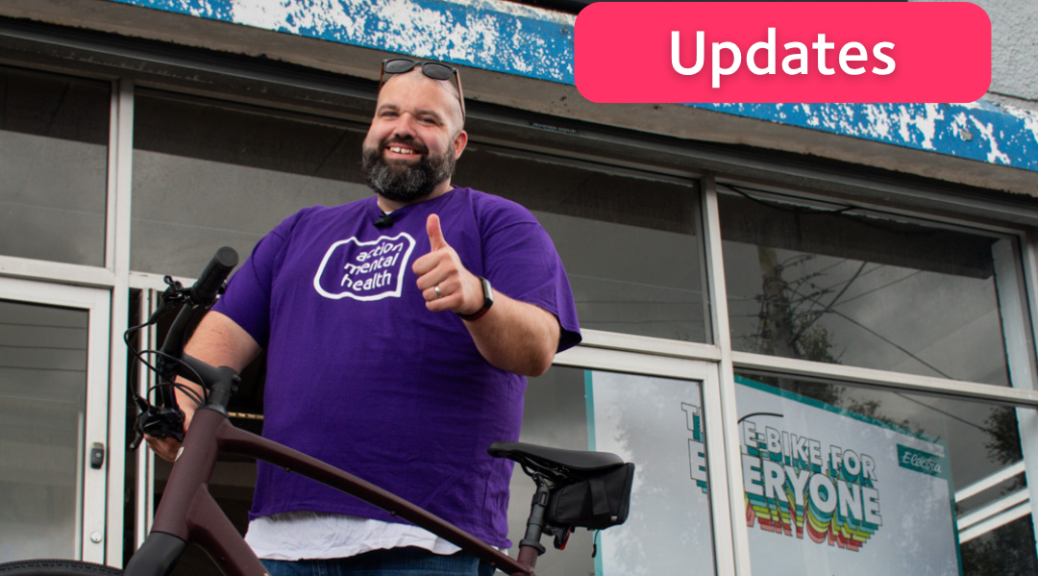
Dave Elliott will be cycling nearly 293 miles around Action Mental Health services in NI, in just 3 days from 8th – 10th October for World Mental Health Day.
Follow along on this page for regular updates on Dave Elliott’s ‘Break the Cycle’ challenge on our social media channels!
Dave will be finishing the challenge in Belfast and helping reinforce the message that more funding is required from Government towards mental health services in Northern Ireland.
Donate to Dave’s ‘Break the Cycle’ challenge by texting DAVEFIVE or DAVETEN to 70085 to donate £5 or £10, or donate here on our website.
Craigavon Travellers Support Committee enjoy ‘thought-provoking’ BodyTalk session from Action Mental Health
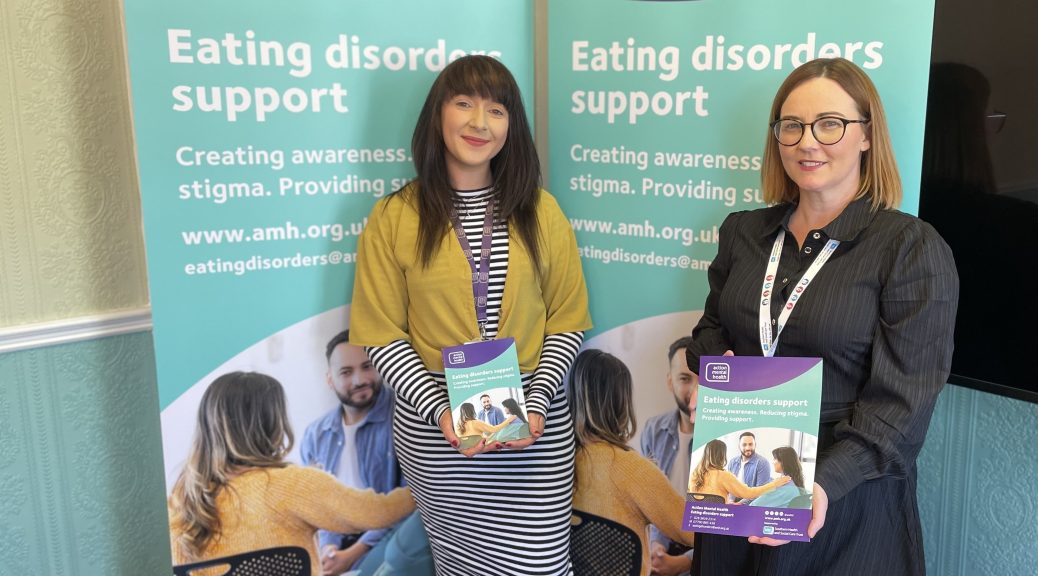
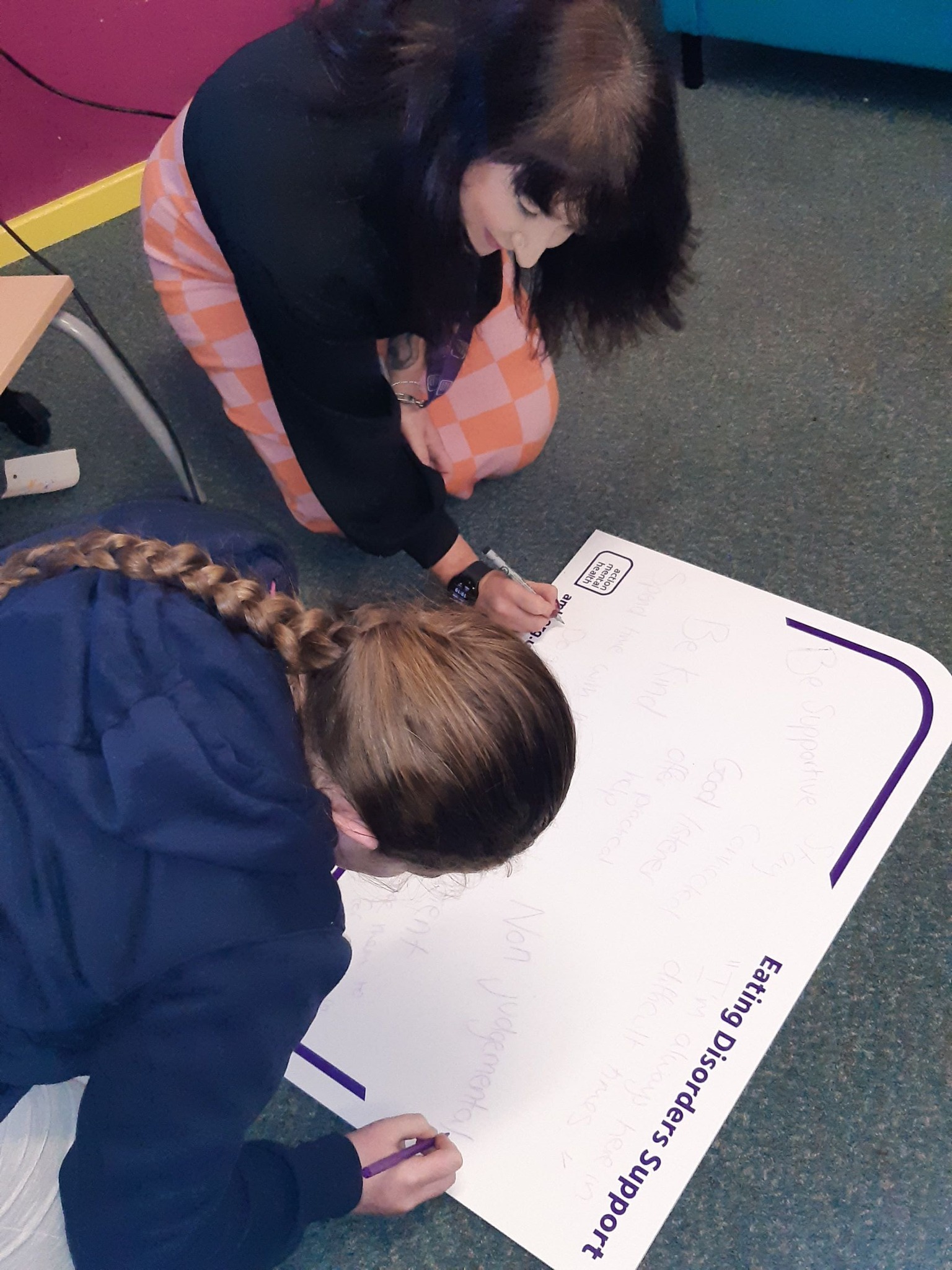
Action Mental Health project worker, Deborah McCready (L), who helps to deliver the charity’s eating disorders support, pictured with Shauna Duggan (R) from the SHSCT’s Eating Disorders Team.
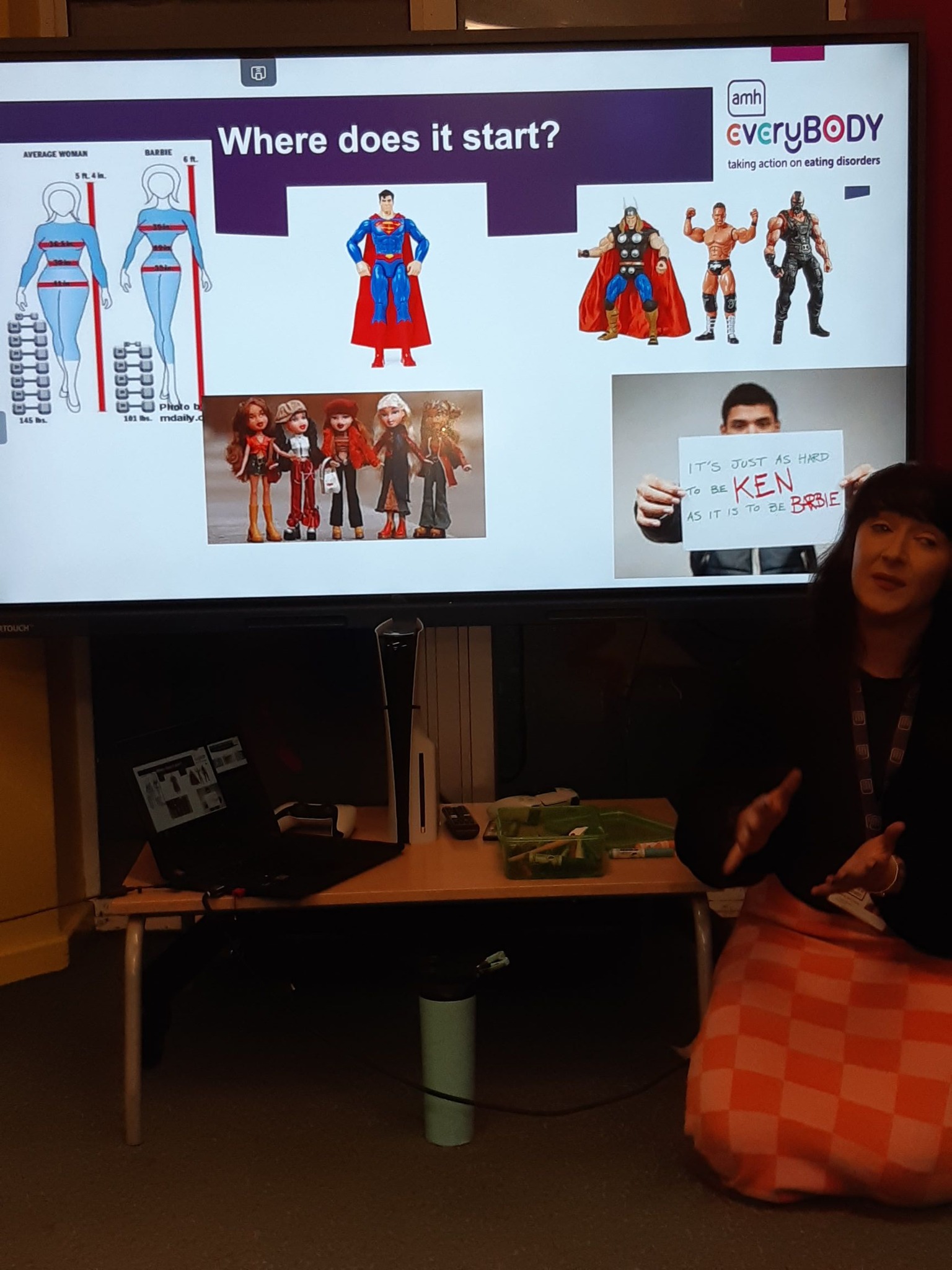
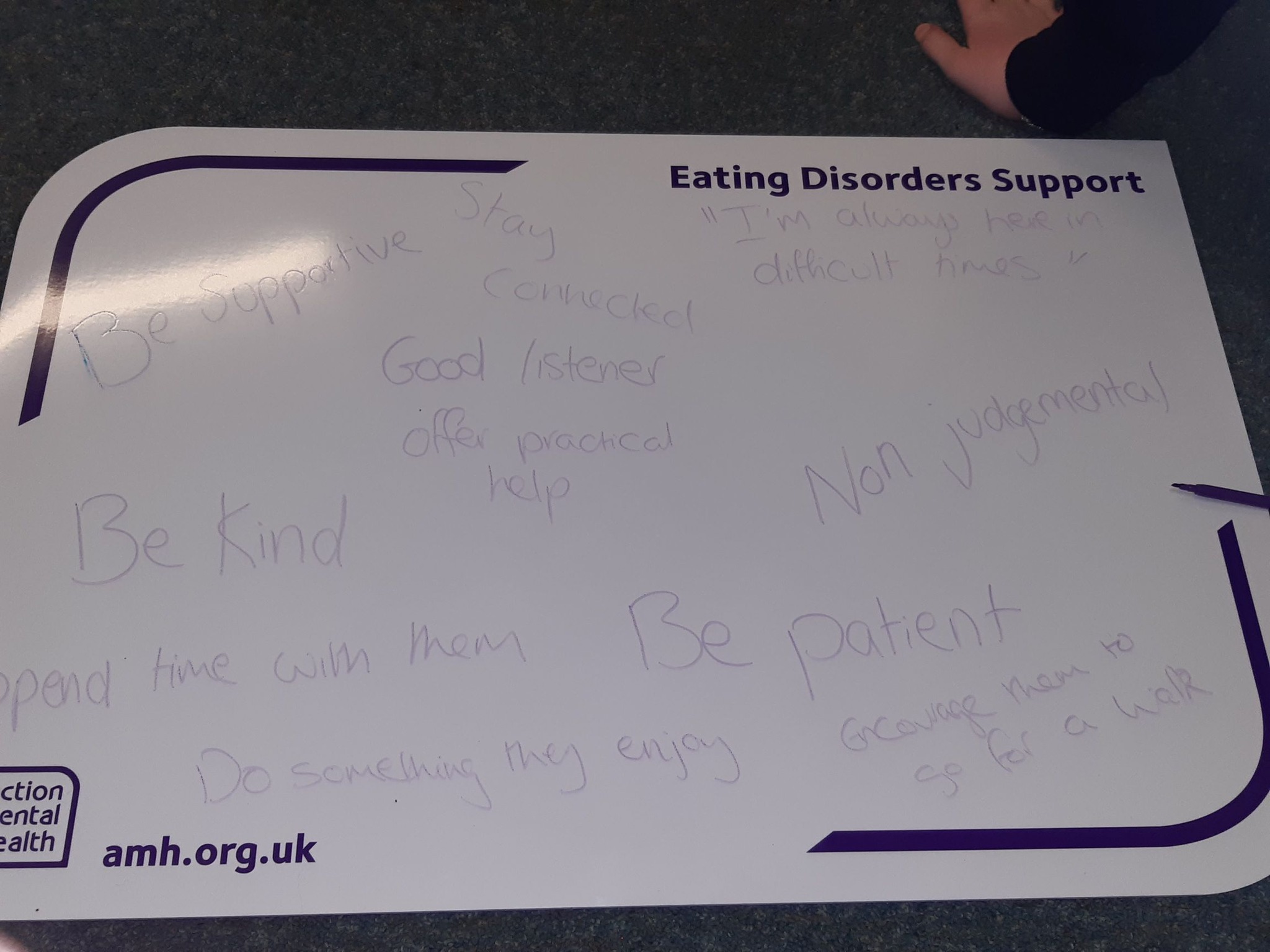
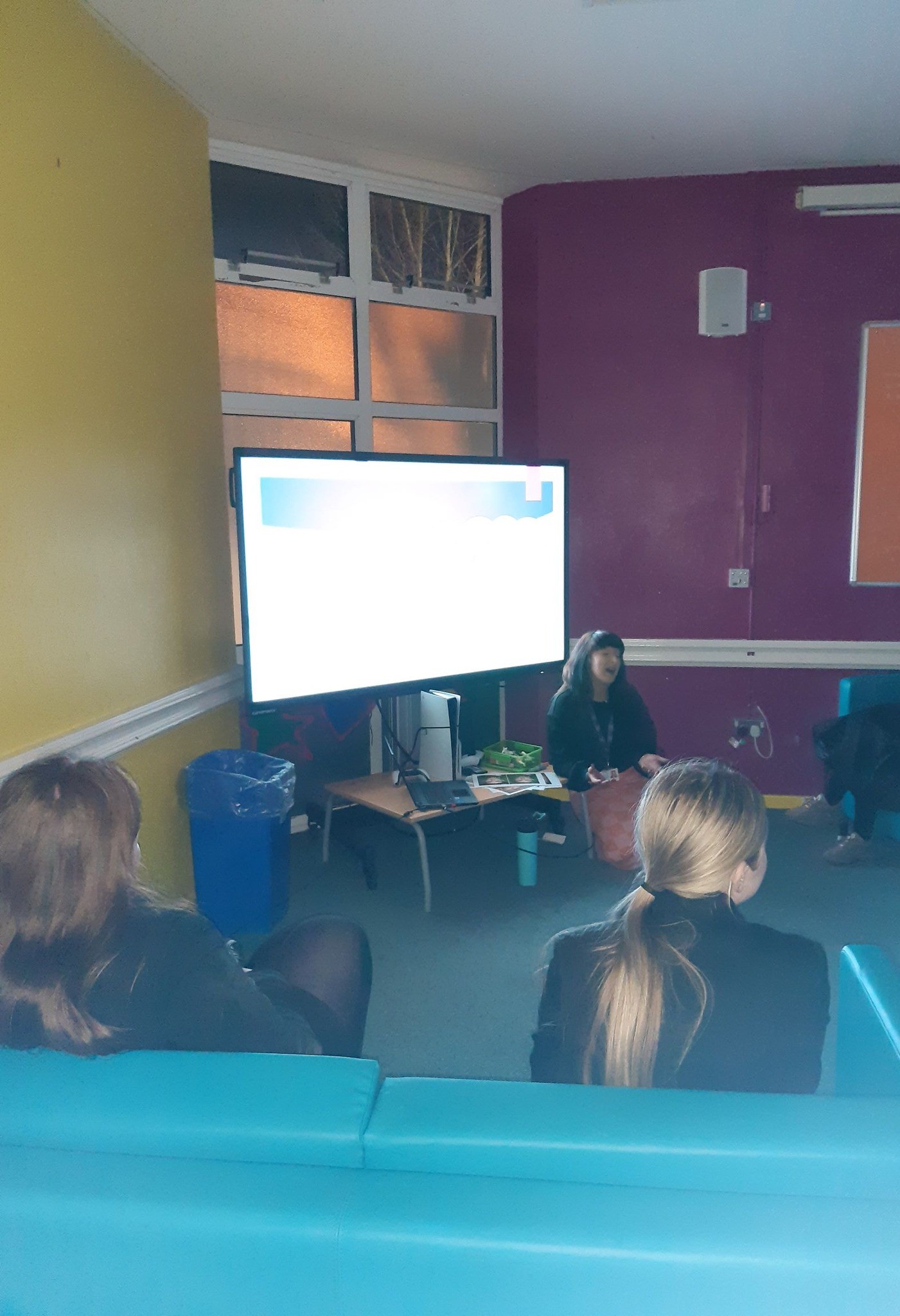
Young people from Craigavon Travellers Support Committeehave taken part in an interactive workshopfrom Action Mental Health aimed at raising awareness and understanding of eating disorders.
The BodyTalk session was delivered as part of the charity’s ongoing work within this area and to link in with Eating Disorders Awareness Week (February 24 – March 2). The girls who participated in the event – aged between 11 and 17 years old – subsequently discussed the body image concerns they faced in today’s society, along with the various pressures experienced by young people generally online.
Leeann Stewart, Youth worker with Craigavon Travellers Support Committee, said: “We had the privilege of welcoming Action Mental Health to deliver a beautiful and thought-provoking session on body talk. The session was empowering, sparking open conversations about how we see ourselves – and the pressures placed upon us. We are so proud of the young women in this group for their courage and willingness to challenge unrealistic beauty standards. Let’s continue lifting each other up and embracing who we are, exactly as we are!”
In 2019, The Mental Health Foundation and YouGov (2019) found that 37% of teenagers felt upset about their body image, while 31% also felt ashamed. Meanwhile, 40% of teenagers said images on social media caused them to worry about their body image.
“Research like this highlights the need for intervention and prevention at an early age,” said Deborah McCready, project worker with Action Mental Health’s eating disorders support team.
“The session with Craigavon Travellers Support Committee went really well. We made it very interactive and the young girls talked about issues which directly impacted them, like social media and some of the pressures that young people are facing today. We had open conversations about the way we can negatively talk to ourselves and how we’re often not aware of the impact that has on our self-esteem. That was a really practical thing the girls could take away – just being aware of how they speak to themselves and to practice more self-compassion.”
We all enjoy a good joke and can attest to feeling better after a bout of laughing with friends or family, so it’s good to know that the science agrees. Indeed, from research carried out to date on laughter, it appears that sharing a giggle with people can do wonders for our mental health and helps us feel safer and more connected. Plus, it’s fun, so what’s not to like?
According to psychologist, Dr Robert Provine – the world’s leading scientific expert on laughter – the positive emotions we share when we laugh with people is critically important for social cohesion. Basically, when we laugh with those around us, we bond with them and make connections, which reduce feelings of isolation and help boost our mental wellbeing. In short, we form a community and/or a network in which we feel safe and at ease.
Describing laughter as “a social vocalization that binds people together,” [1] interestingly, Dr Provine found that the key stimulus for laughter was usually another person. I.e. we spontaneously laugh more in relation to the person, than what it is they’re actually saying. Laughter is also much more common in social situations than in solitary ones, so we tend to laugh more often when we’re with others than when we’re alone.
Physiological benefits of laughter
Further research shows that, while it “is commonly accepted that laughter produces psychological benefits, such as improving affect, depression, anxiety, and stress,” [2] there are also physiological benefits to laughing.
Indeed, recent studies have indicated that laughter can improve heart health, with the effects of a good chuckle expanding our arteries and increasing the flow of oxygen around the body. [3]. Other physiological benefits of laughter include stimulating the muscles and lungs as well as triggering the release of feel-good endorphins from our brain.
Long-term, laughter can also improve our immune system: “Negative thoughts manifest into chemical reactions that can affect your body by bringing more stress into your system and decreasing your immunity. By contrast, positive thoughts can actually release neuropeptides that help fight stress and potentially more-serious illnesses.” [4]. It can even help to relieve pain, as laughter can assist the body in producing natural painkillers.
Reducing social isolation
Counselling Coordinator – Casual Team at Action Mental Health, Lauren Darragh, said laughter was a great way of connecting people and reducing isolation – which is a key part of the work carried out by her team.
“Studies have shown that laughing also reduces a lot of stress hormones,” she said. “It can impact the dopamine and serotonin levels in the brain. Low levels of these are often associated with depression and low mood, so boosting these through laughter can have a positive effect on our mood.”
She added that laughter could also help to increase people’s resilience and tenacity. Indeed, by reducing stress and boosting the immune system, laughter allows us to refocus – all of which, with our enhanced mood, ultimately builds a more resilient character.
“I think life is about fun as well as overcoming the hardships,” said Lauren. “It’s about laughter and lightness and joy. As a therapist, you hold that hope that there are the positives. With laughter, the huge thing for me is the bond that you find with other people through laughing together. It can show that the person is safe and it encourages connection and communication and reduces isolation.
Lauren Darragh from Action Mental Health.
“At Action Mental Health the majority of our work is based on removing isolation. It’s about encouraging connectedness and counselling is part of that.”
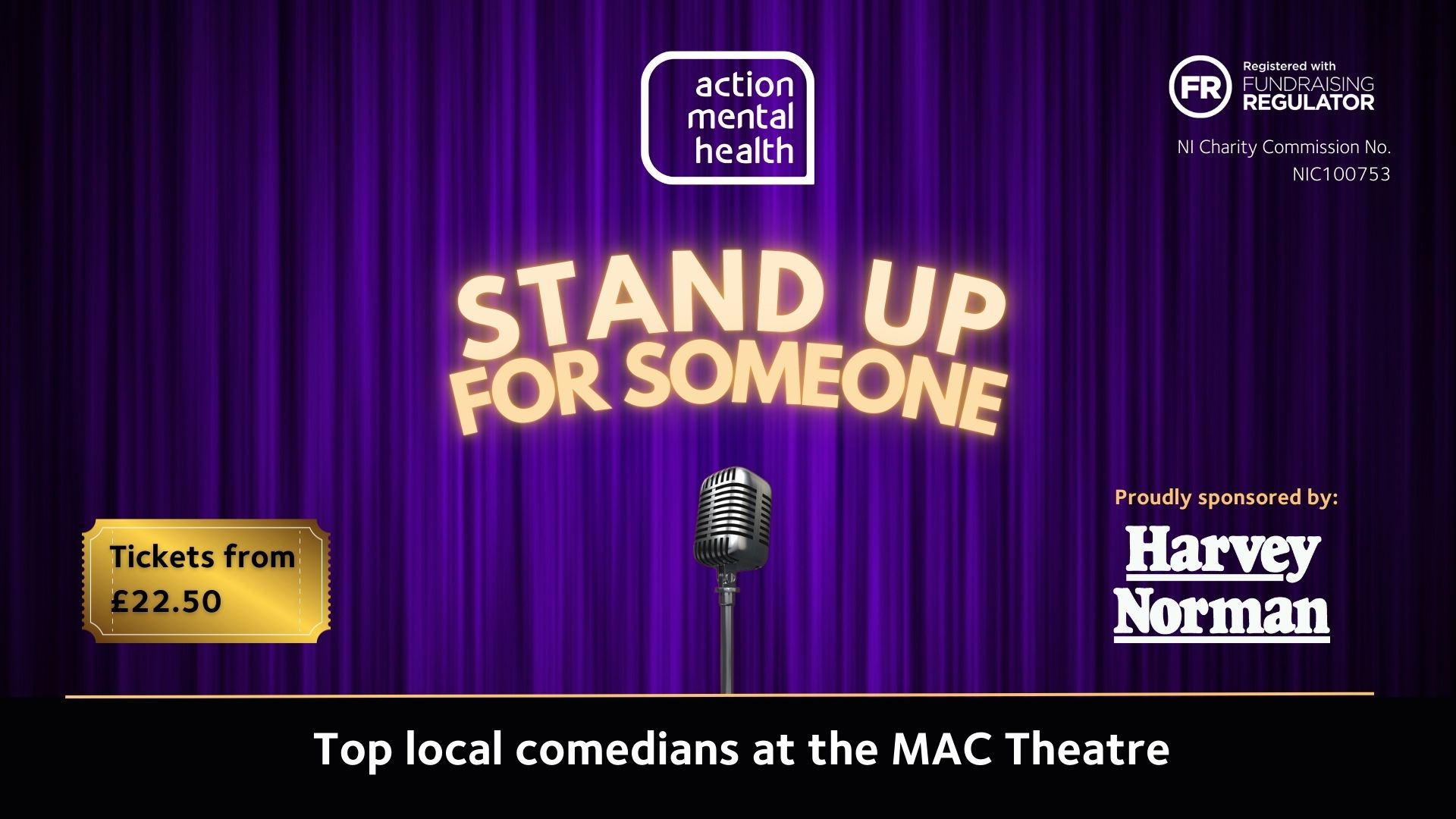
With Action Mental Health’s ‘Stand-up for Someone’ comedy nights planned for April, these offer a great opportunity to enjoy a laugh with friends and family while raising funds for vital mental health services.
“I think, particularly in Northern Ireland, we have a very good sense of humour,” said Lauren. “It’s a part of our culture. Sharing a laugh with someone bonds you. It’s how people make connections and what we know about mental health is that people’s mental health deteriorates without connection. Anything that encourages connection is part of that and something to celebrate.”
We all enjoy a good joke and can attest to feeling better after a bout of laughing with friends or family, so it’s good to know that the science agrees. Indeed, from research carried out to date on laughter, it appears that sharing a giggle with people can do wonders for our mental health and helps us feel safer and more connected. Plus, it’s fun, so what’s not to like?
According to psychologist, Dr Robert Provine – the world’s leading scientific expert on laughter – the positive emotions we share when we laugh with people is critically important for social cohesion. Basically, when we laugh with those around us, we bond with them and make connections, which reduce feelings of isolation and help boost our mental wellbeing. In short, we form a community and/or a network in which we feel safe and at ease.
Describing laughter as “a social vocalization that binds people together,” [1] interestingly, Dr Provine found that the key stimulus for laughter was usually another person. I.e. we spontaneously laugh more in relation to the person, than what it is they’re actually saying. Laughter is also much more common in social situations than in solitary ones, so we tend to laugh more often when we’re with others than when we’re alone.
Physiological benefits of laughter
Further research shows that, while it “is commonly accepted that laughter produces psychological benefits, such as improving affect, depression, anxiety, and stress,” [2] there are also physiological benefits to laughing.
Indeed, recent studies have indicated that laughter can improve heart health, with the effects of a good chuckle expanding our arteries and increasing the flow of oxygen around the body. [3]. Other physiological benefits of laughter include stimulating the muscles and lungs as well as triggering the release of feel-good endorphins from our brain.
Long-term, laughter can also improve our immune system: “Negative thoughts manifest into chemical reactions that can affect your body by bringing more stress into your system and decreasing your immunity. By contrast, positive thoughts can actually release neuropeptides that help fight stress and potentially more-serious illnesses.” [4]. It can even help to relieve pain, as laughter can assist the body in producing natural painkillers.
Reducing social isolation
Counselling Coordinator – Casual Team at Action Mental Health, Lauren Darragh, said laughter was a great way of connecting people and reducing isolation – which is a key part of the work carried out by her team.
“Studies have shown that laughing also reduces a lot of stress hormones,” she said. “It can impact the dopamine and serotonin levels in the brain. Low levels of these are often associated with depression and low mood, so boosting these through laughter can have a positive effect on our mood.”
She added that laughter could also help to increase people’s resilience and tenacity. Indeed, by reducing stress and boosting the immune system, laughter allows us to refocus – all of which, with our enhanced mood, ultimately builds a more resilient character.
“I think life is about fun as well as overcoming the hardships,” said Lauren. “It’s about laughter and lightness and joy. As a therapist, you hold that hope that there are the positives. With laughter, the huge thing for me is the bond that you find with other people through laughing together. It can show that the person is safe and it encourages connection and communication and reduces isolation.
Lauren Darragh from Action Mental Health.
“At Action Mental Health the majority of our work is based on removing isolation. It’s about encouraging connectedness and counselling is part of that.”
With Action Mental Health’s ‘Stand-up for Someone’ comedy nights planned for April, these offer a great opportunity to enjoy a laugh with friends and family while raising funds for vital mental health services.
“I think, particularly in Northern Ireland, we have a very good sense of humour,” said Lauren. “It’s a part of our culture. Sharing a laugh with someone bonds you. It’s how people make connections and what we know about mental health is that people’s mental health deteriorates without connection. Anything that encourages connection is part of that and something to celebrate.”
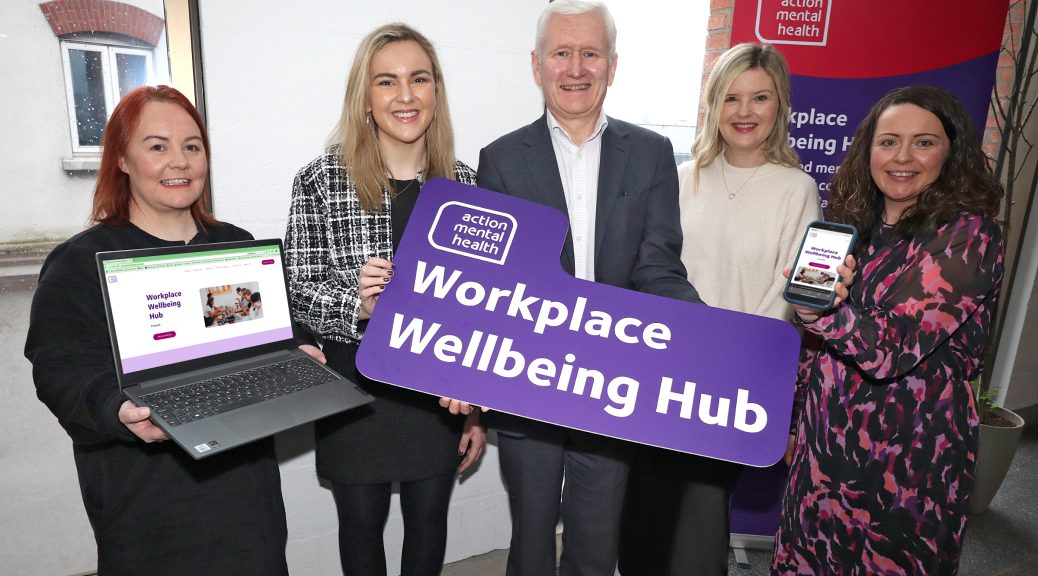
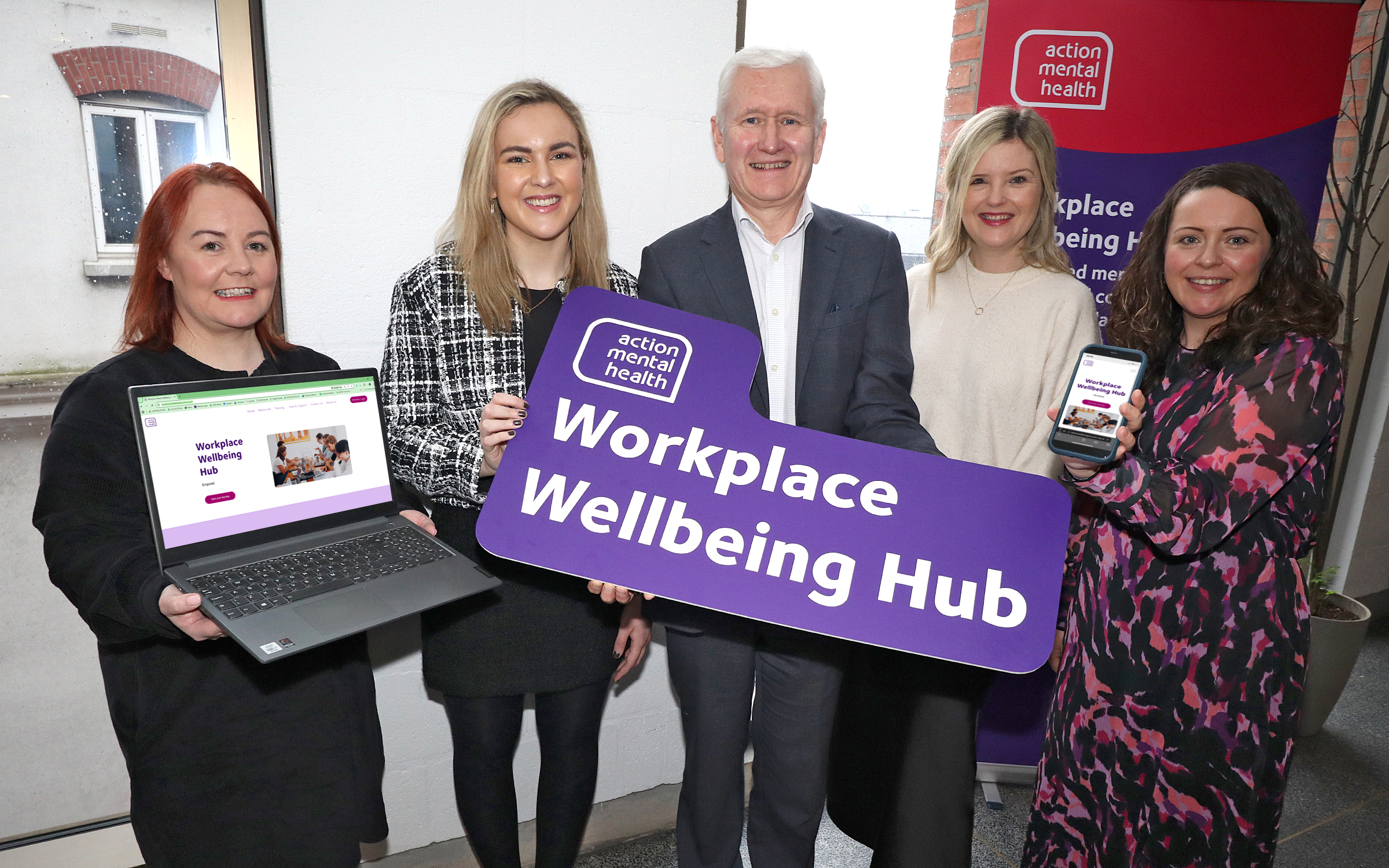
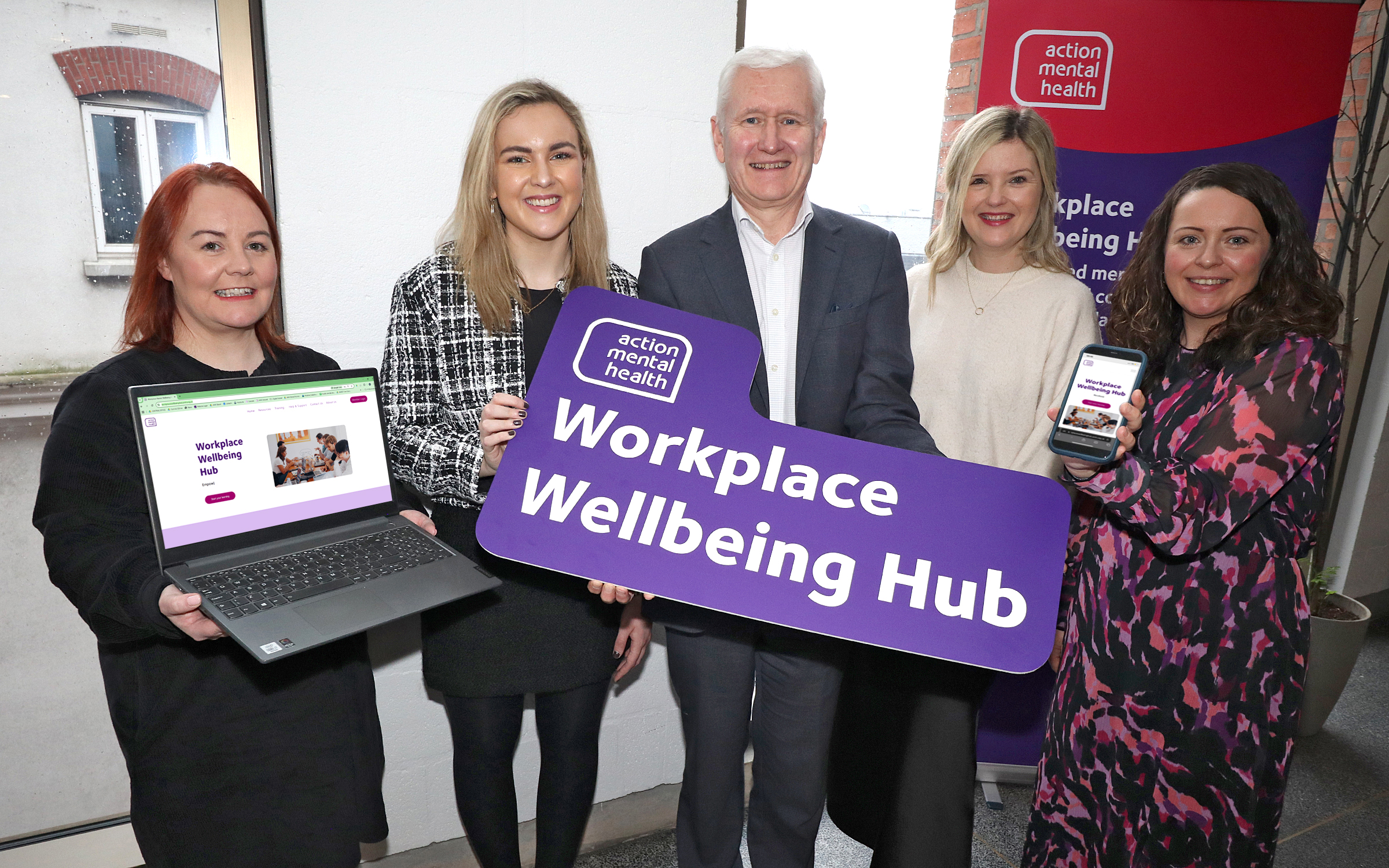
(L-R) Joanne McClelland, Talent Acquisition Specialist at Henderson Group; Lauren Houston, Workplace Wellbeing Coordinator; David Babington, Action Mental Health CEO; Dr Ruth Fleck, Consultant Clinical Psychologist; Heather White, Head of HR at Lunn’s Jewellers.
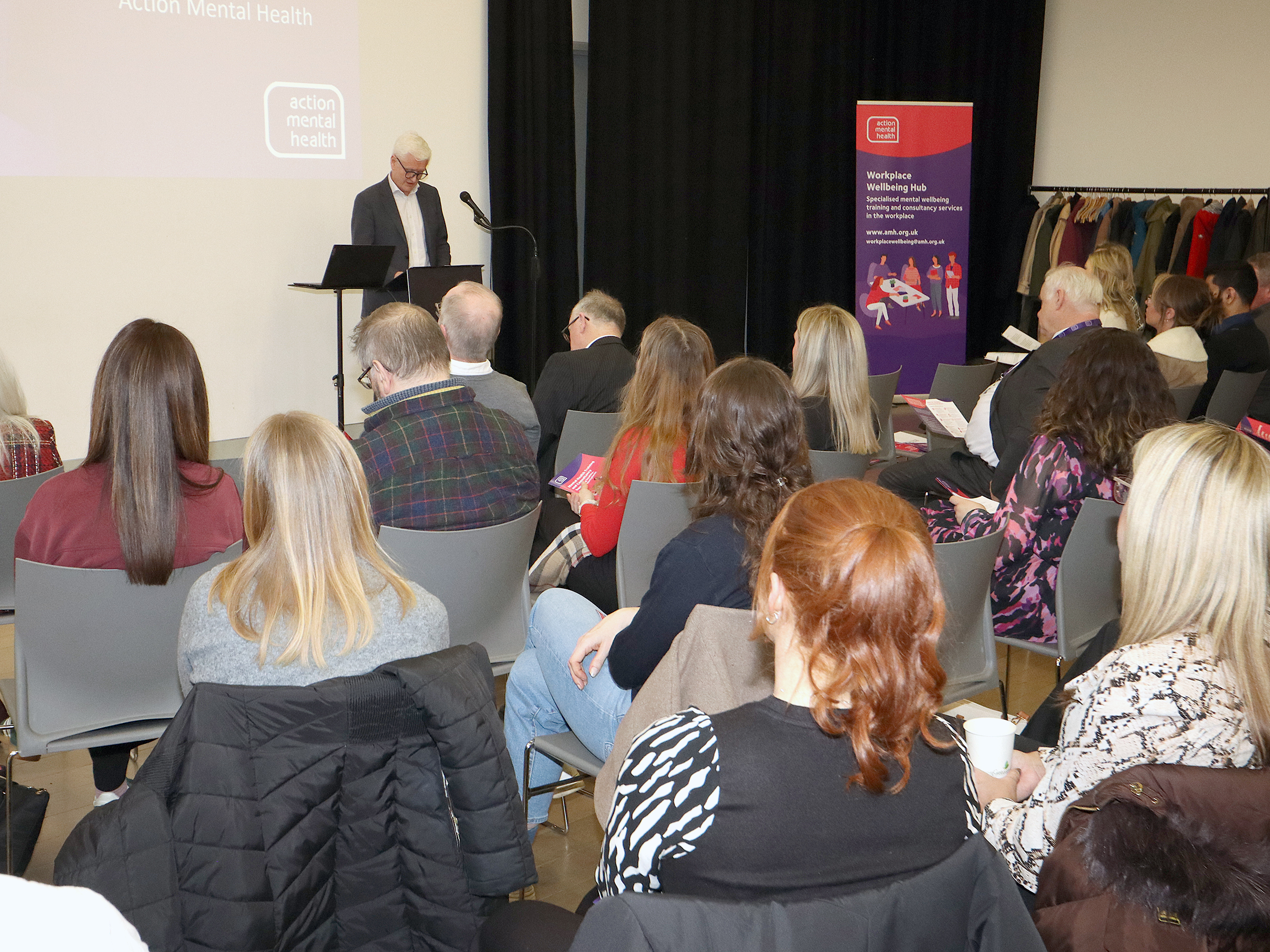
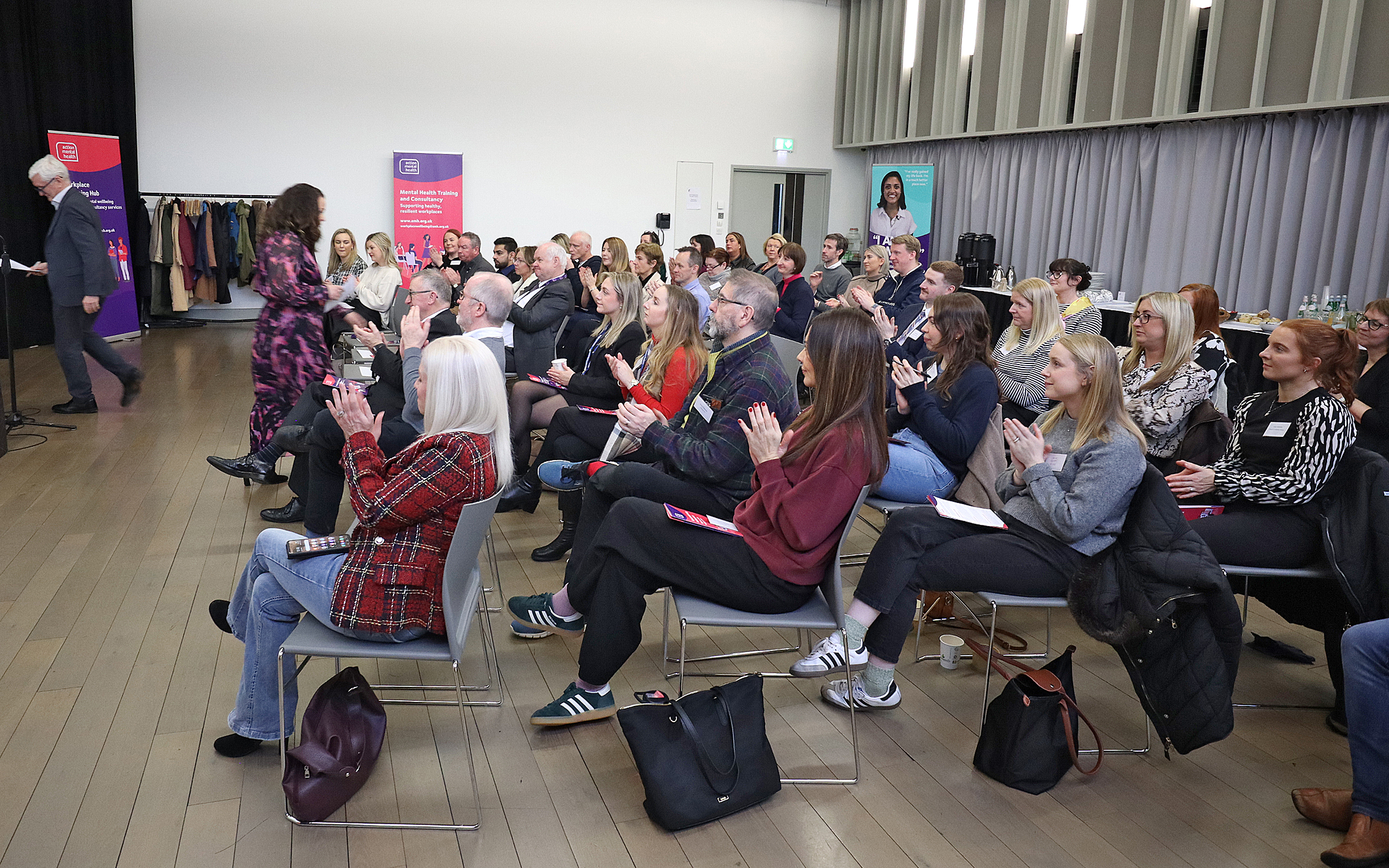
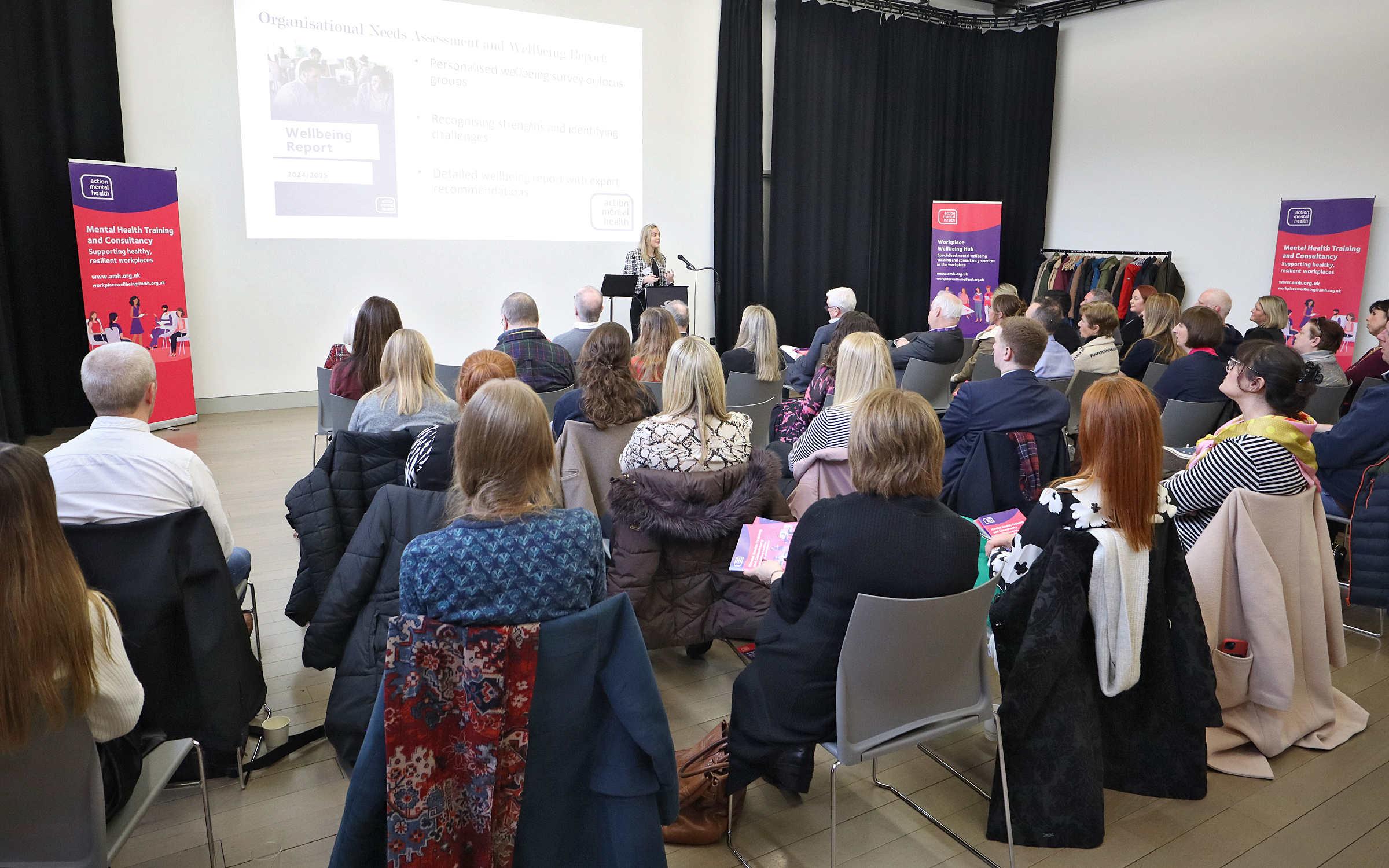
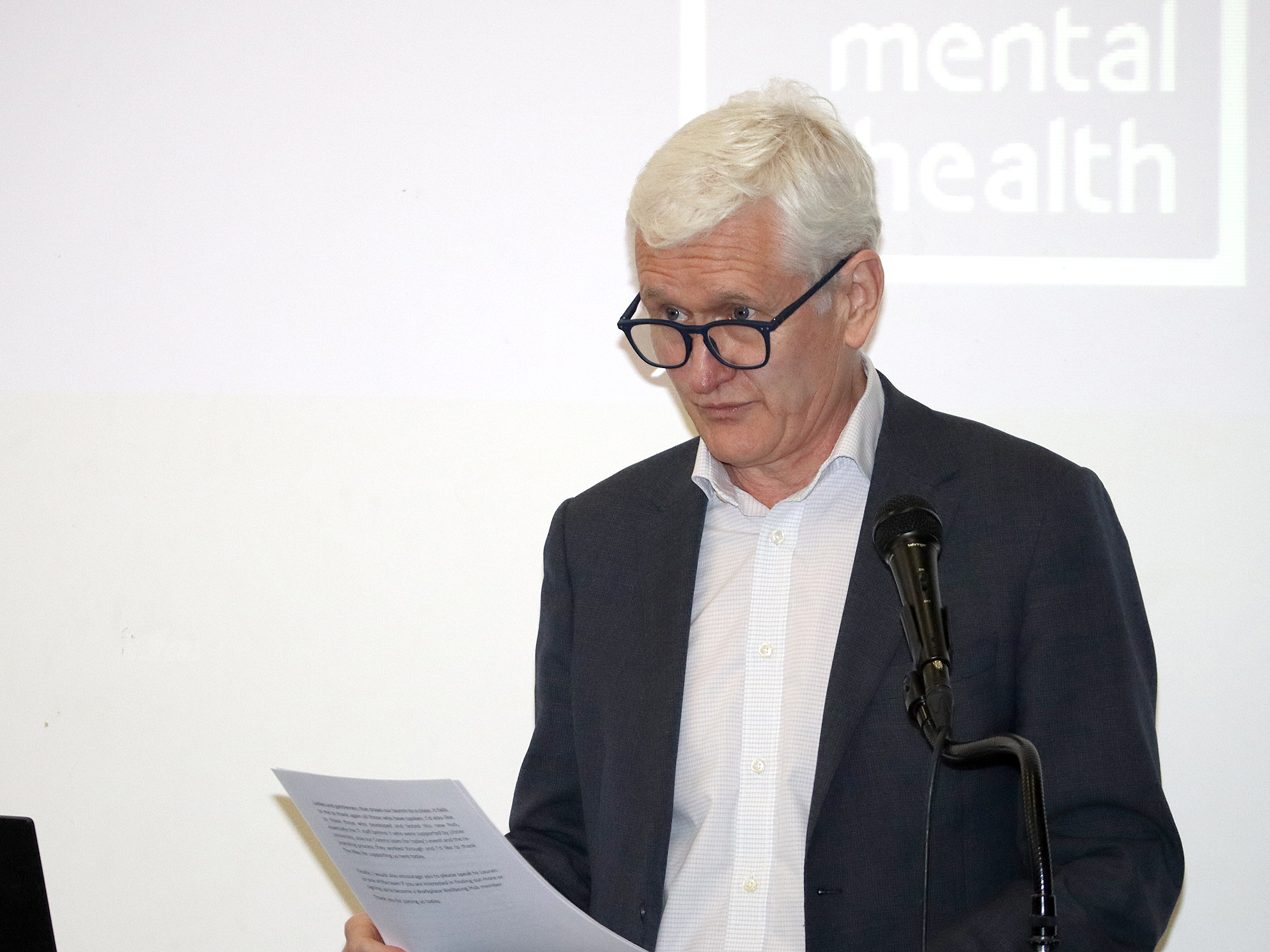
A new online platform and membership scheme created by Action Mental Health to help HR professionals support their workforces more effectively with their mental health and wellbeing launched at The MAC, Belfast on Thursday, 23 January.
Created by our team of experienced professionals, the Workplace Wellbeing Hub offers bespoke solutions for organisations of all sizes. Those who sign up will subsequently benefit from a range of strategic mental health and wellbeing consultancy, training and support, along with a suite of professional online resources, webinars and more.
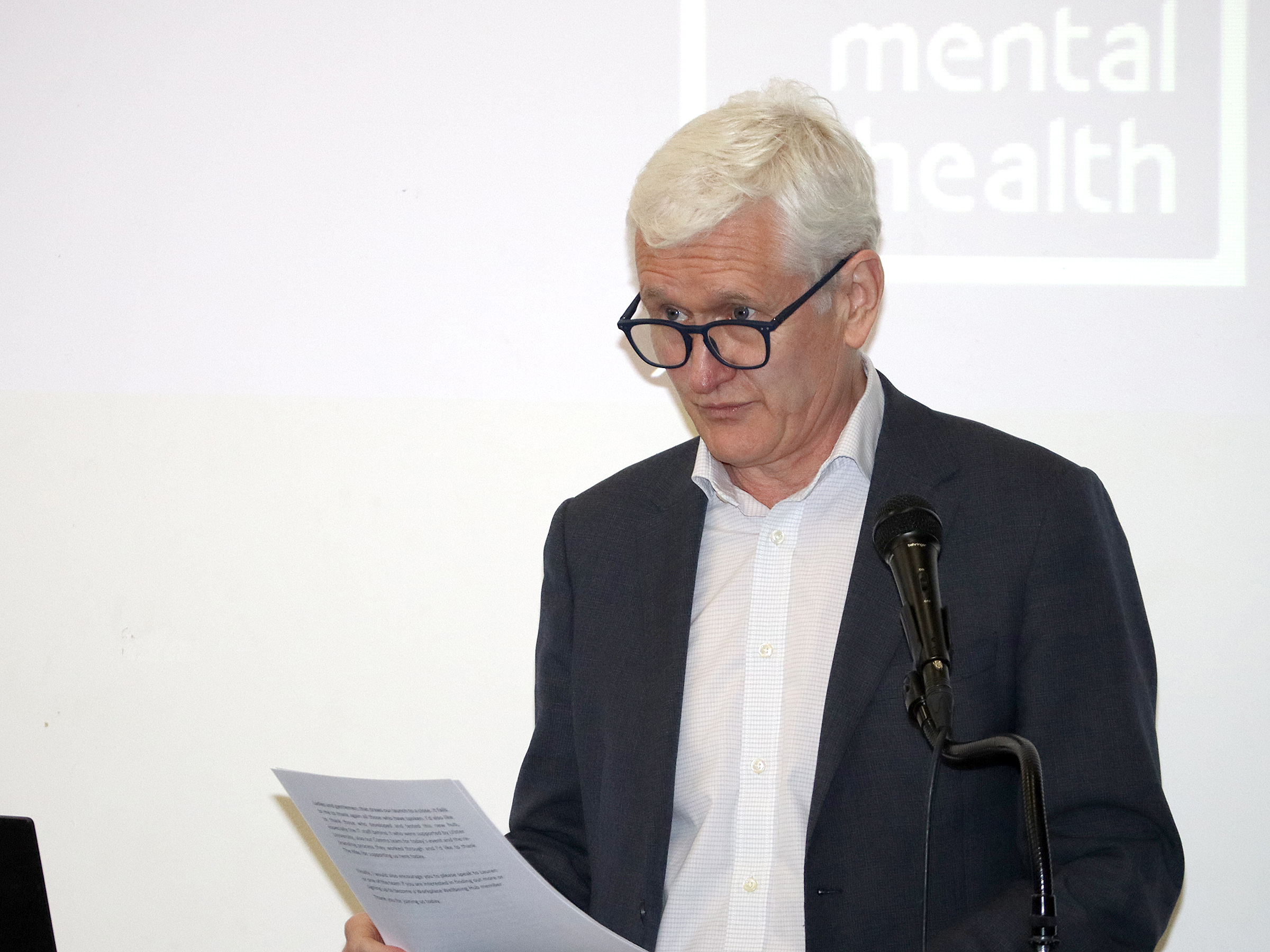
David Babington, Action Mental Health CEO.
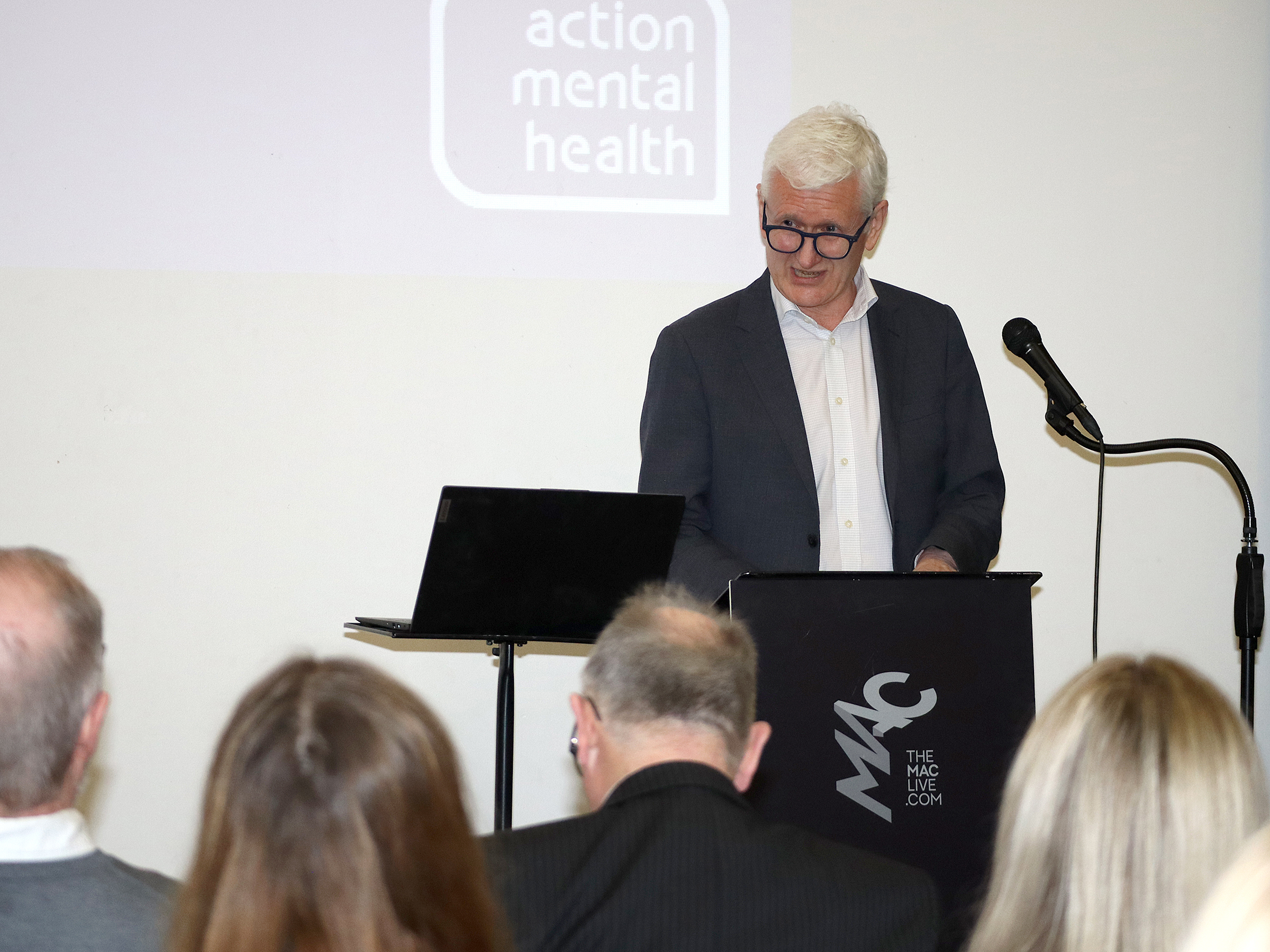
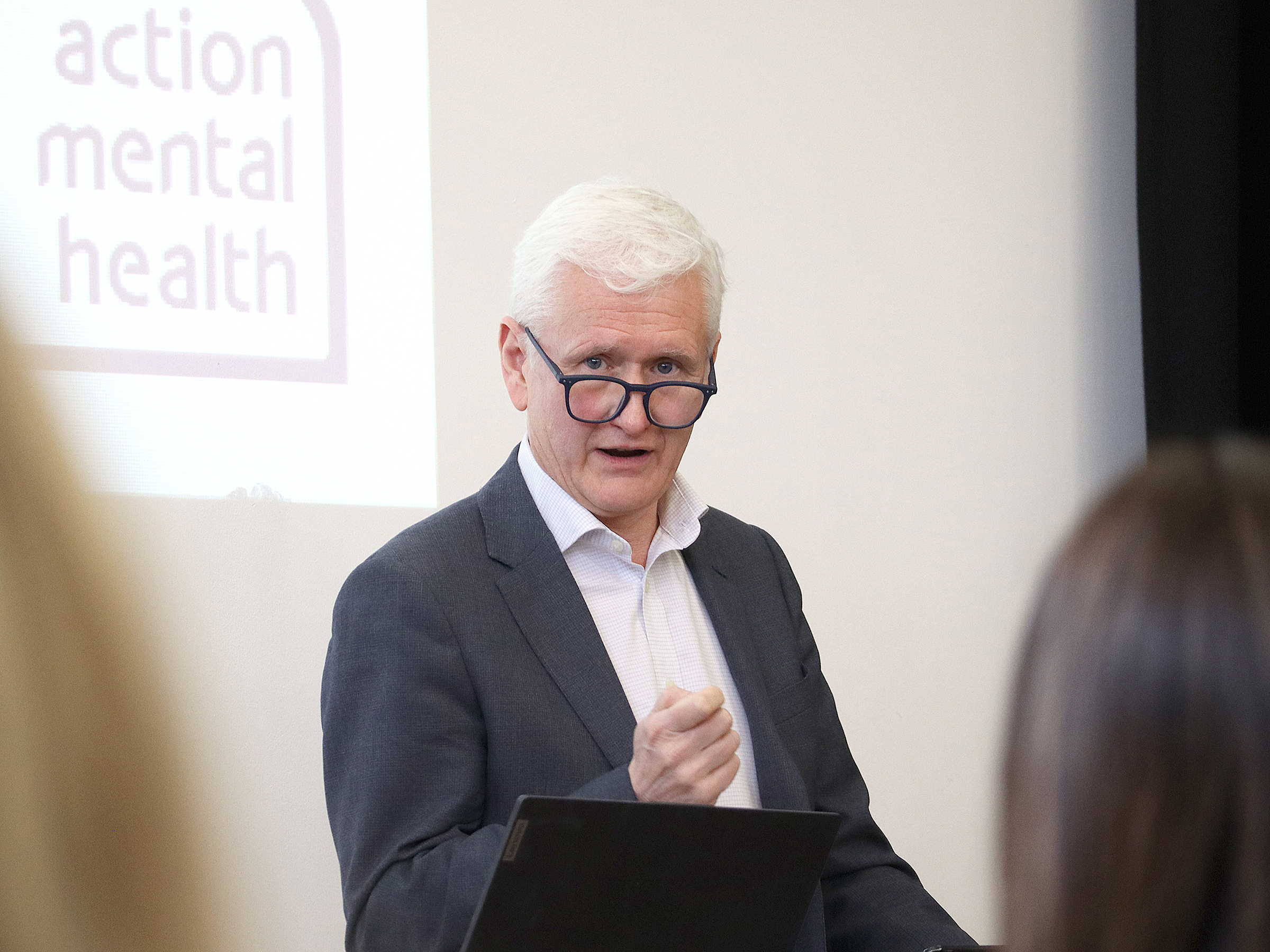
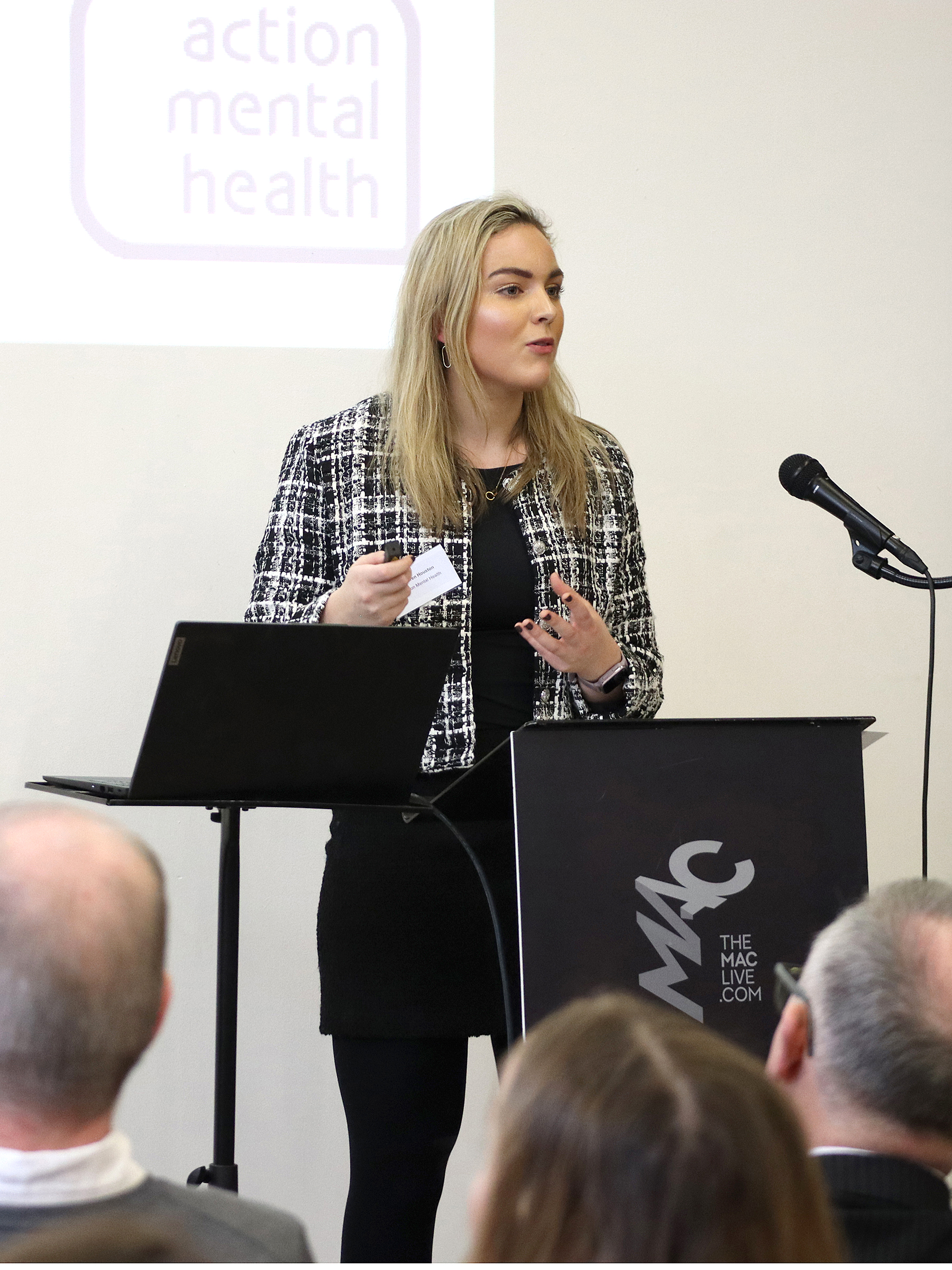
Speaking at the launch, Action Mental Health CEO, David Babington, said the Workplace Wellbeing Hub was unique in that, it not only offered tailored support to employees but also specifically assisted HR and wellbeing professionals in supporting their workforce.
“There remains a significant unmet need for businesses in terms of supporting their staff and addressing their wellbeing needs,” he said. “Whilst workplace training has been part of Action Mental Health’s service offering for a number of years we have never had a membership offering or digital platform designed specifically for this purpose.
“The new Workplace Wellbeing Hub strengthens our existing services by combining digital innovation with expert, locally-delivered support – offering employers a comprehensive solution to workplace wellbeing.”
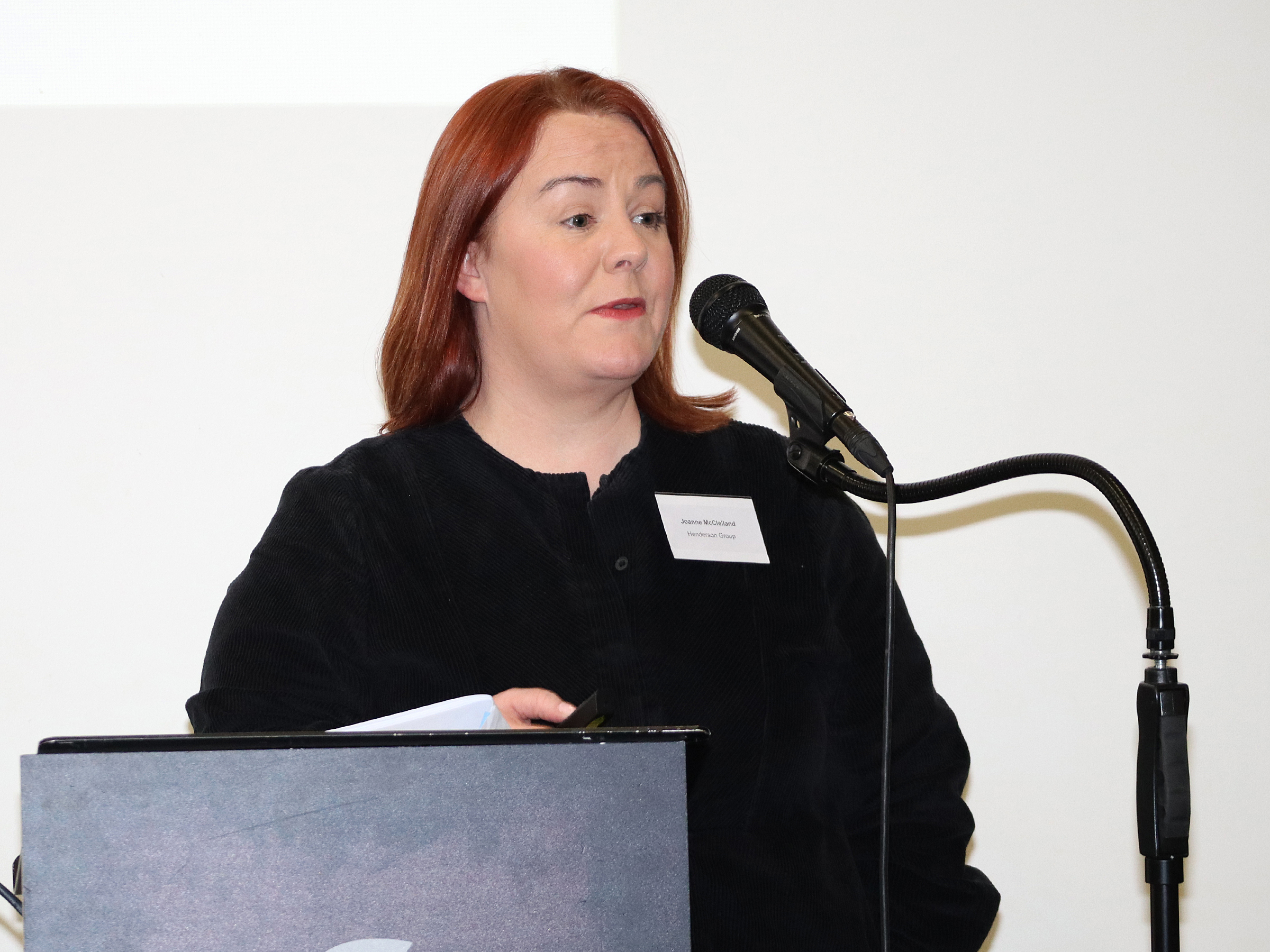
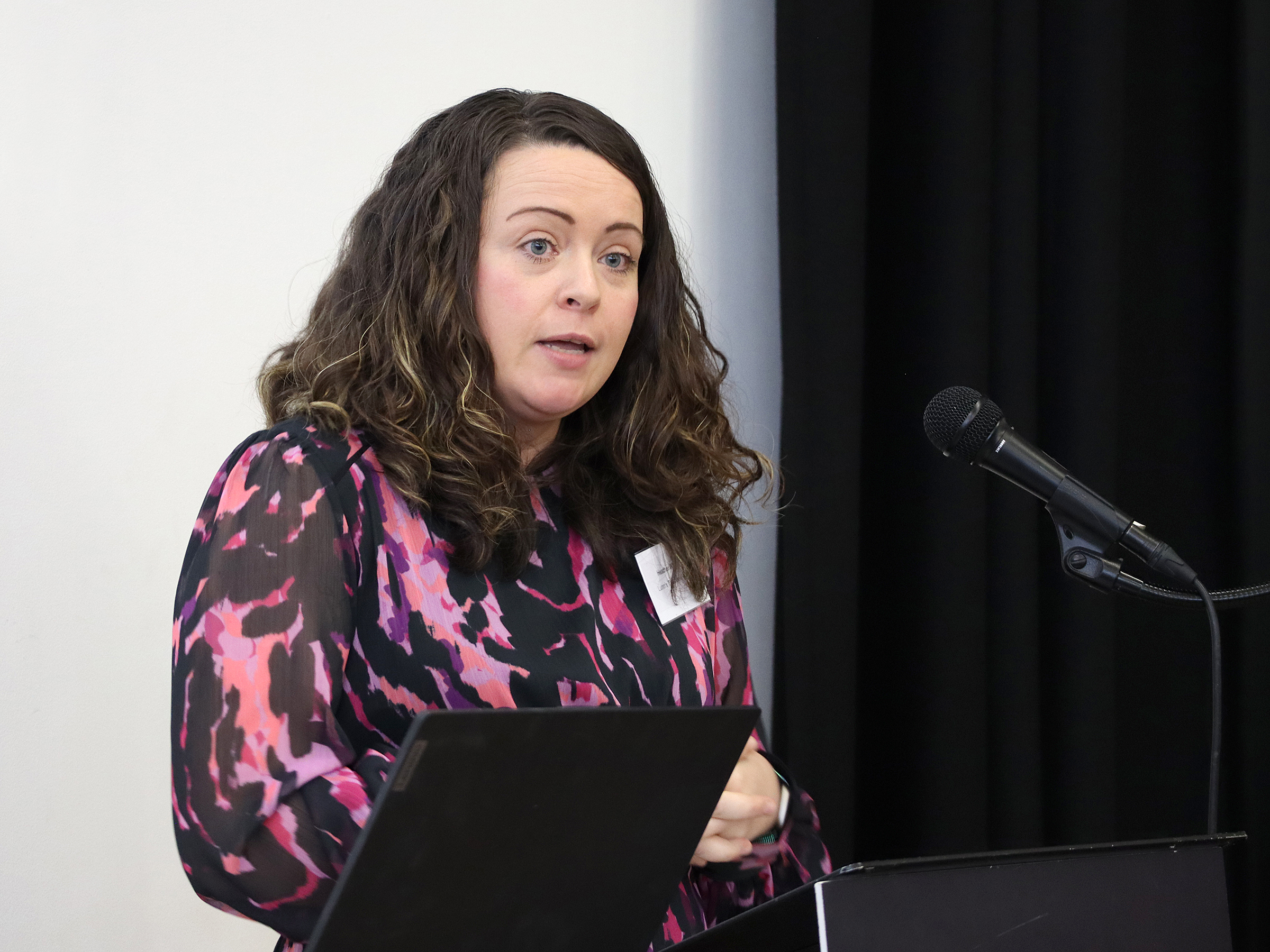
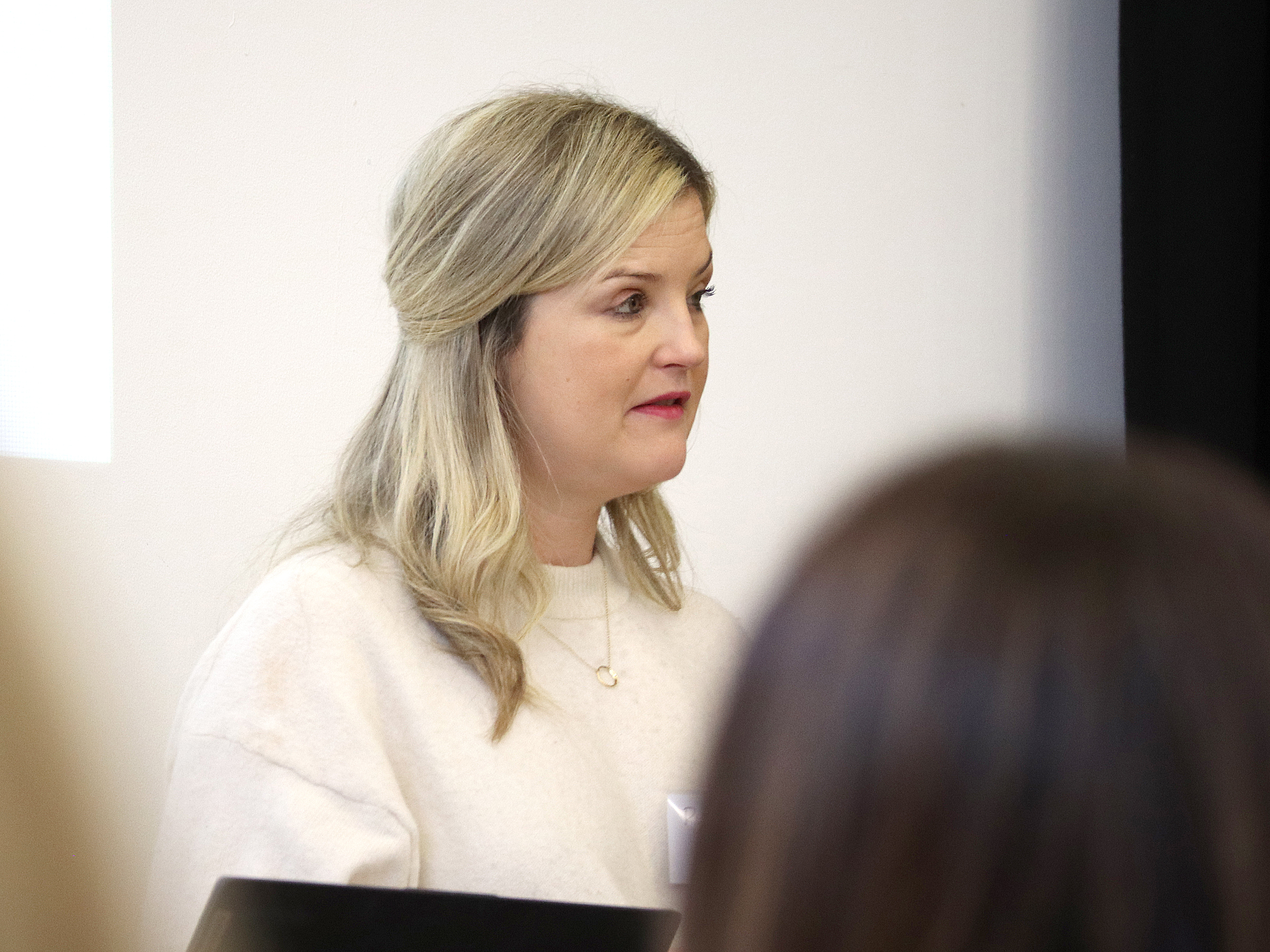
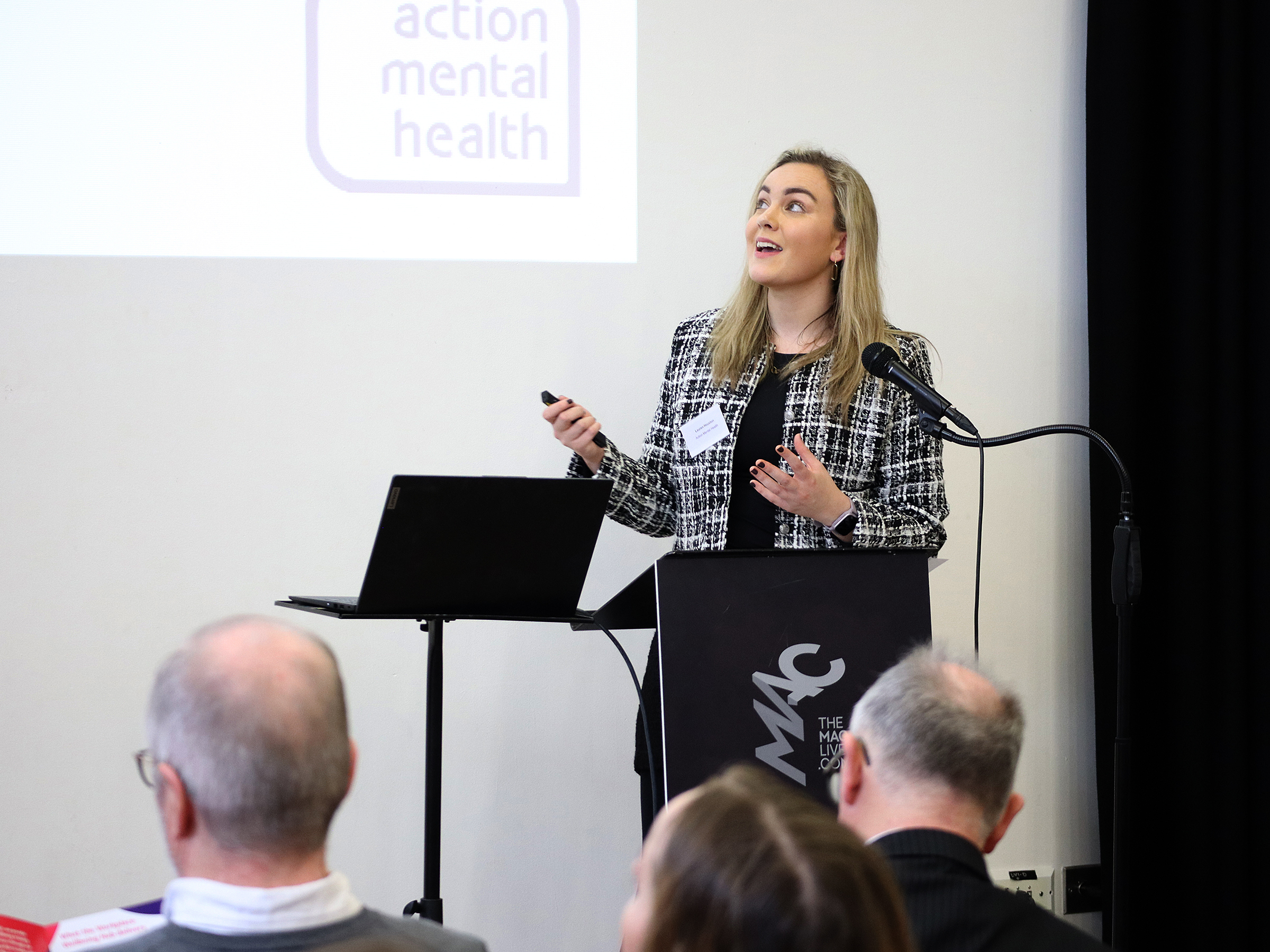
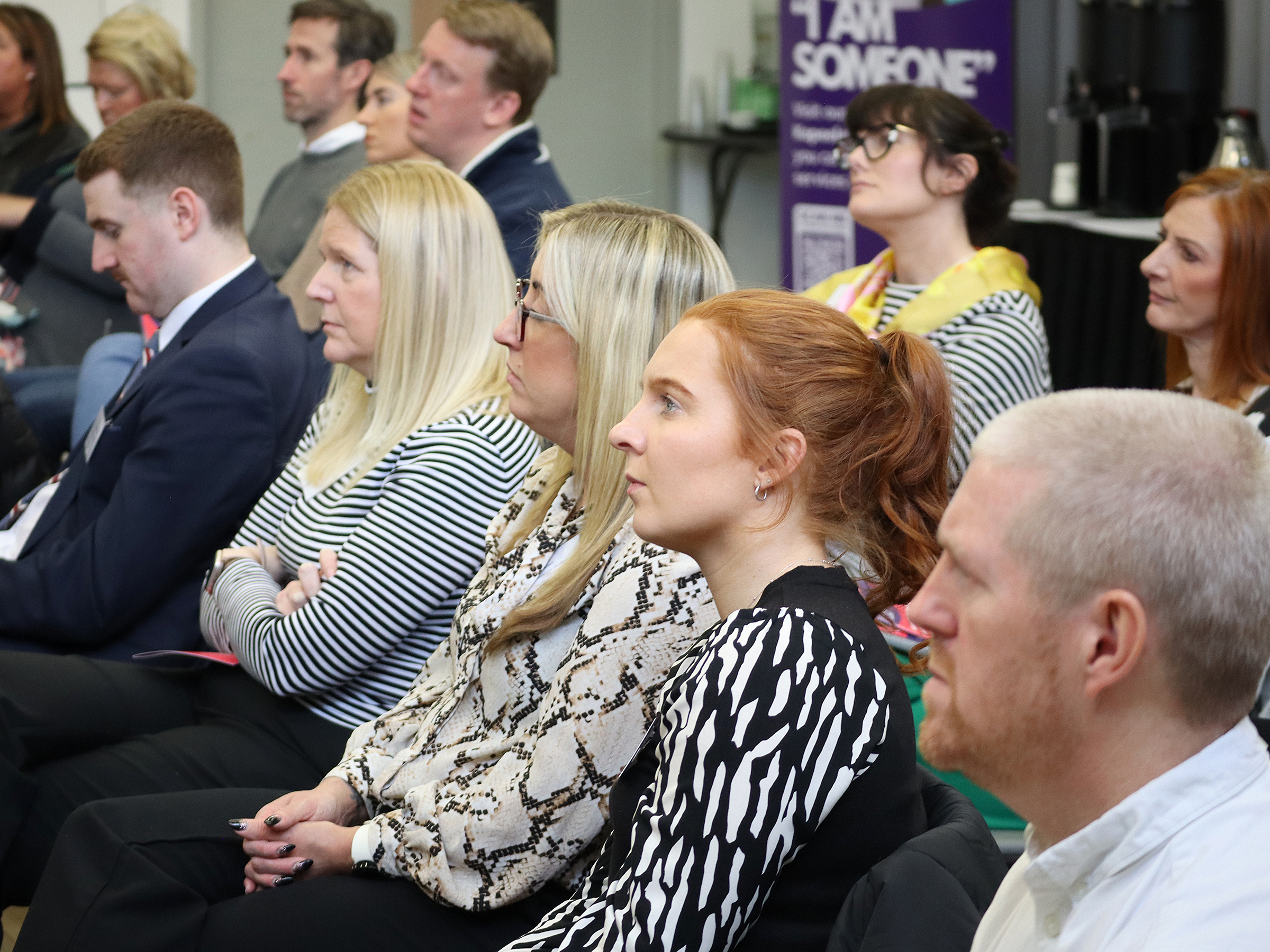
Also speaking at the launch were Joanne McClelland, Talent Acquisition Specialist at Henderson Group – one of Action Mental Health’s partners – and Heather White, Head of HR at Lunn’s Jewellers, which is one of the first employers to sign up to the Wellbeing Hub. Consultant Clinical Psychologist, Dr Ruth Fleck, also addressed attendees, along with Lauren Houston, Coordinator of Action Mental Health’s workplace wellbeing services.
“We’re incredibly fortunate to have worked alongside Action Mental Health and over the past year have witnessed their expertise and support,” said Heather. “The feedback from our managers and colleagues has been nothing short of exceptional. It’s given us the confidence to support each other in the workplace and at home. The support from Action Mental Health has been invaluable and being part of the Workplace Wellbeing Hub going forward is a key part of our business strategy for this year.”
Dr Fleck added that organisations had a duty of care to their staff to implement impactful mental health care within the workplace, something that required long-term investment rather than one-off training days or events. “It’s about having a range of strategies in place – a complete and whole-system change and approach.”
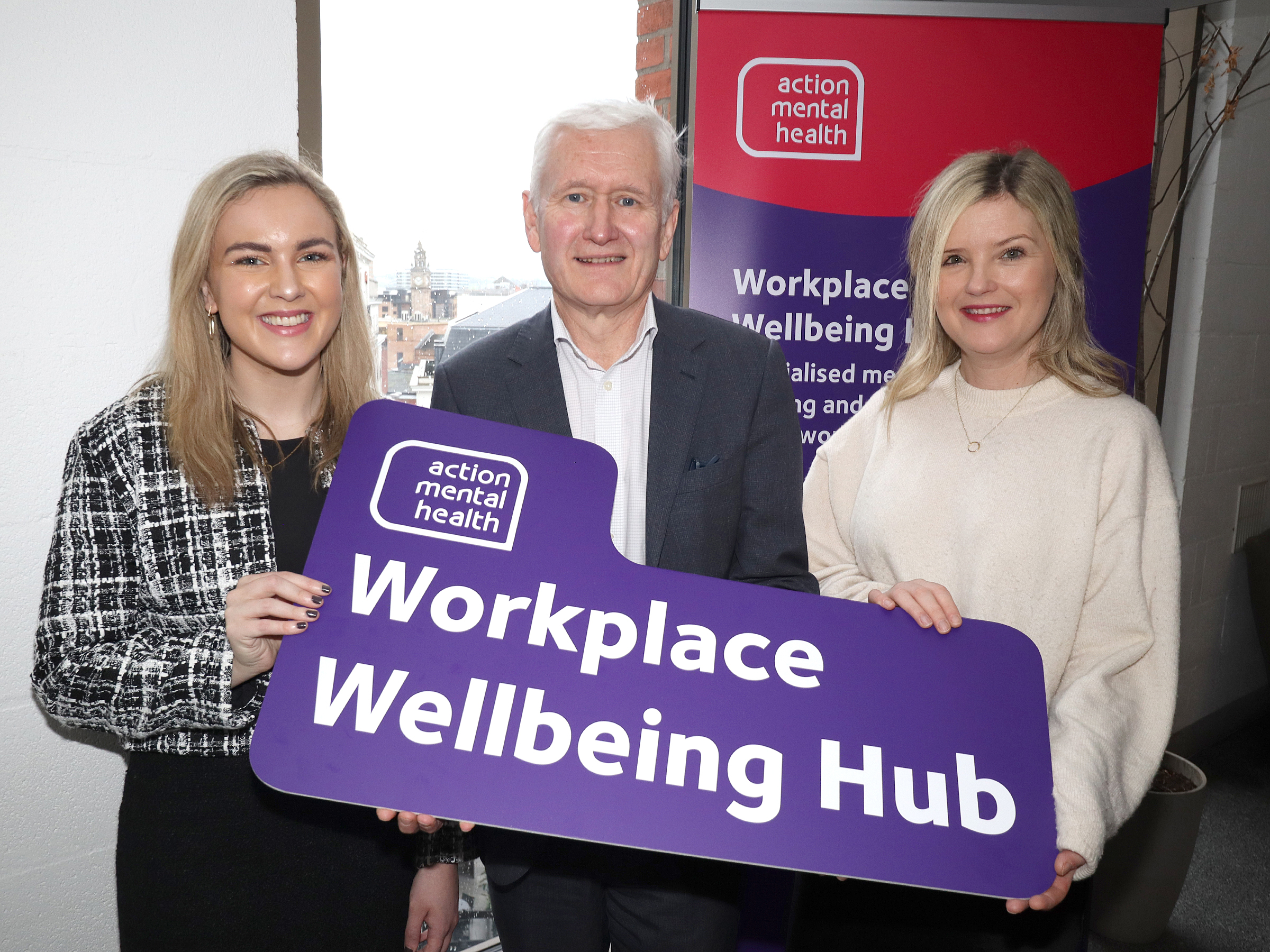
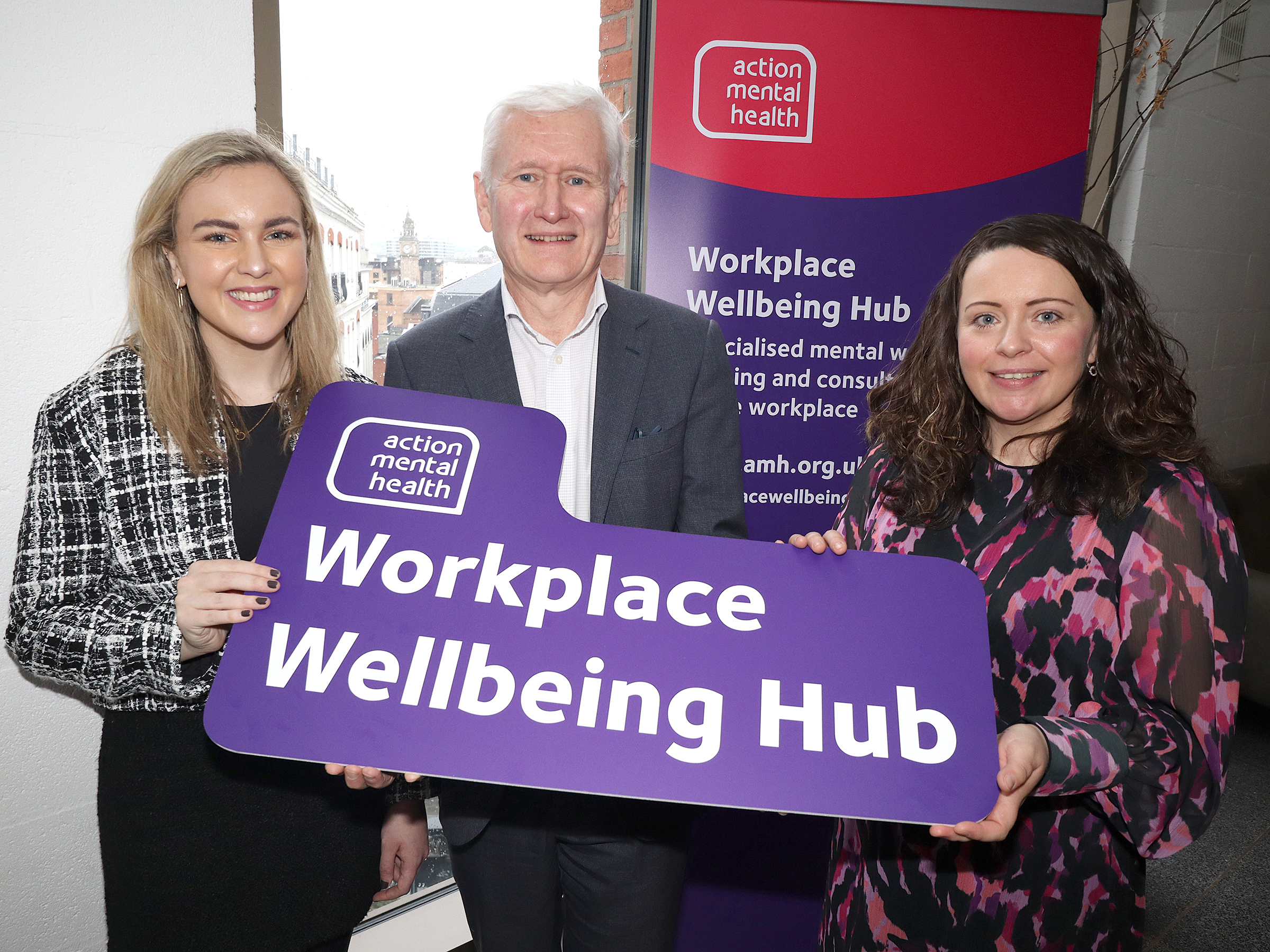
Workplace Wellbeing Coordinator, Lauren Houston with Action Mental Health CEO David Babington and Dr Ruth Fleck.
With many of us kick-starting the year with personal fitness goals and resolutions to prioritise our health and wellbeing in 2025, why not help both yourself and others in the process?
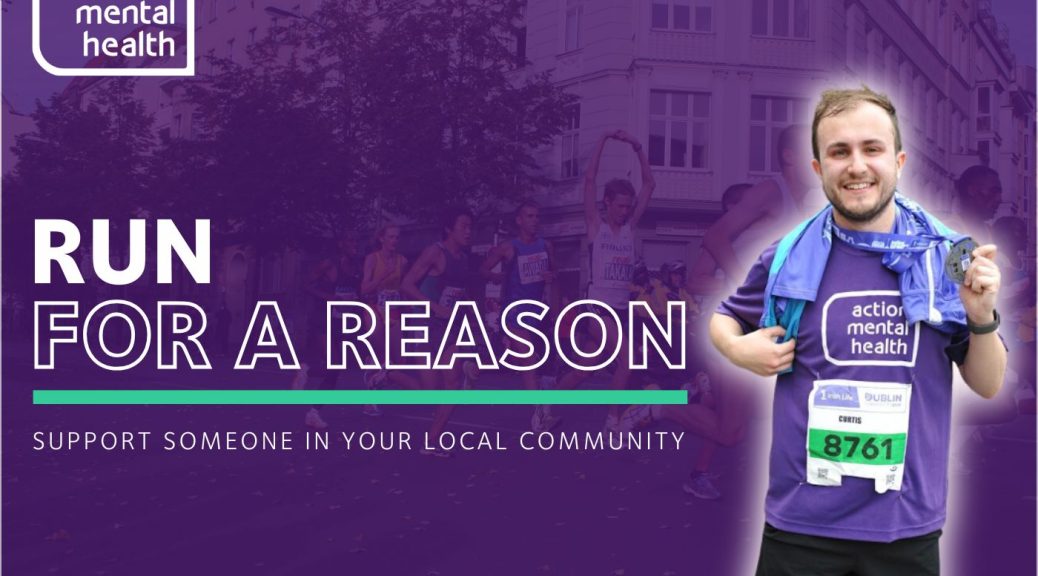
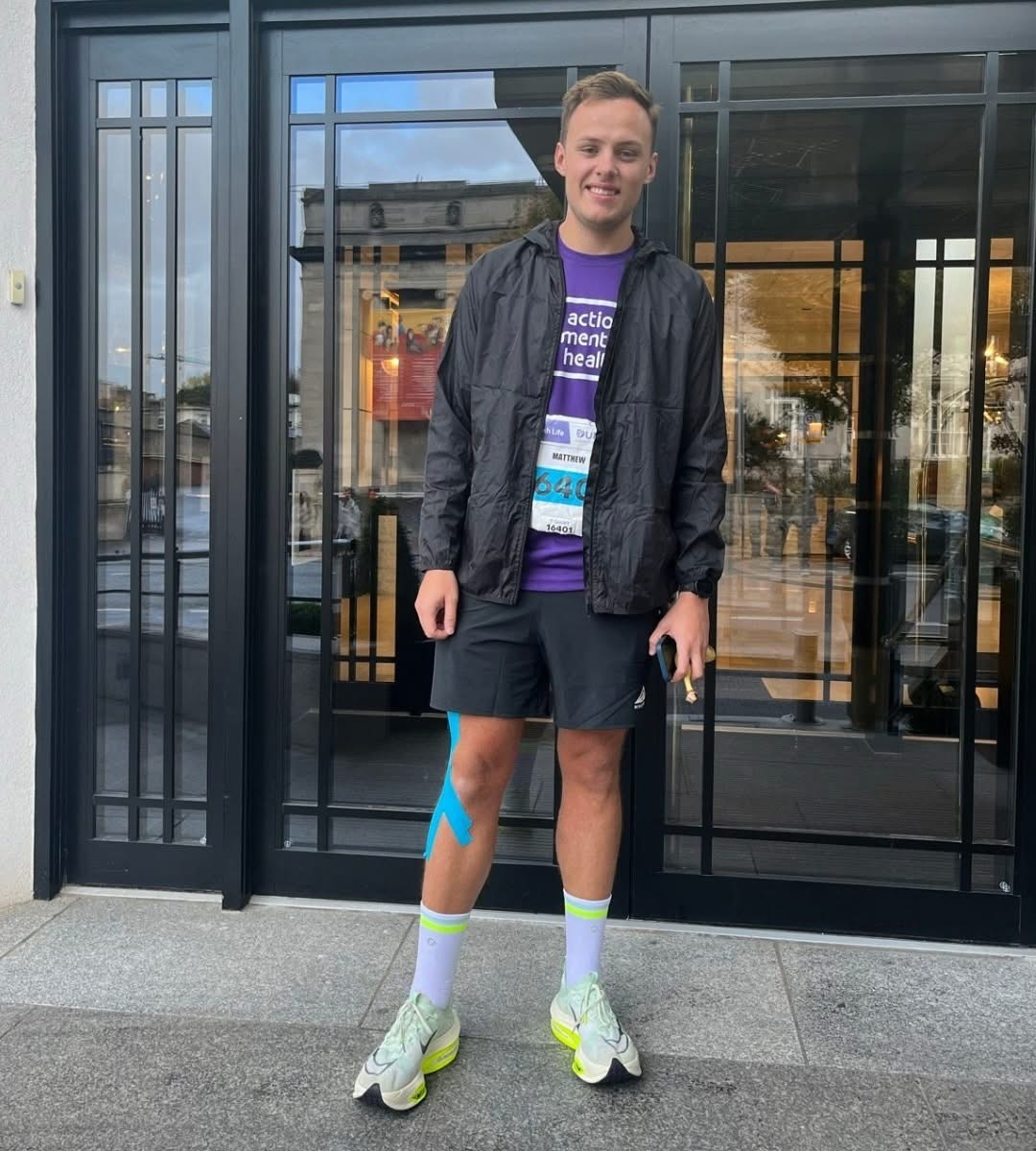
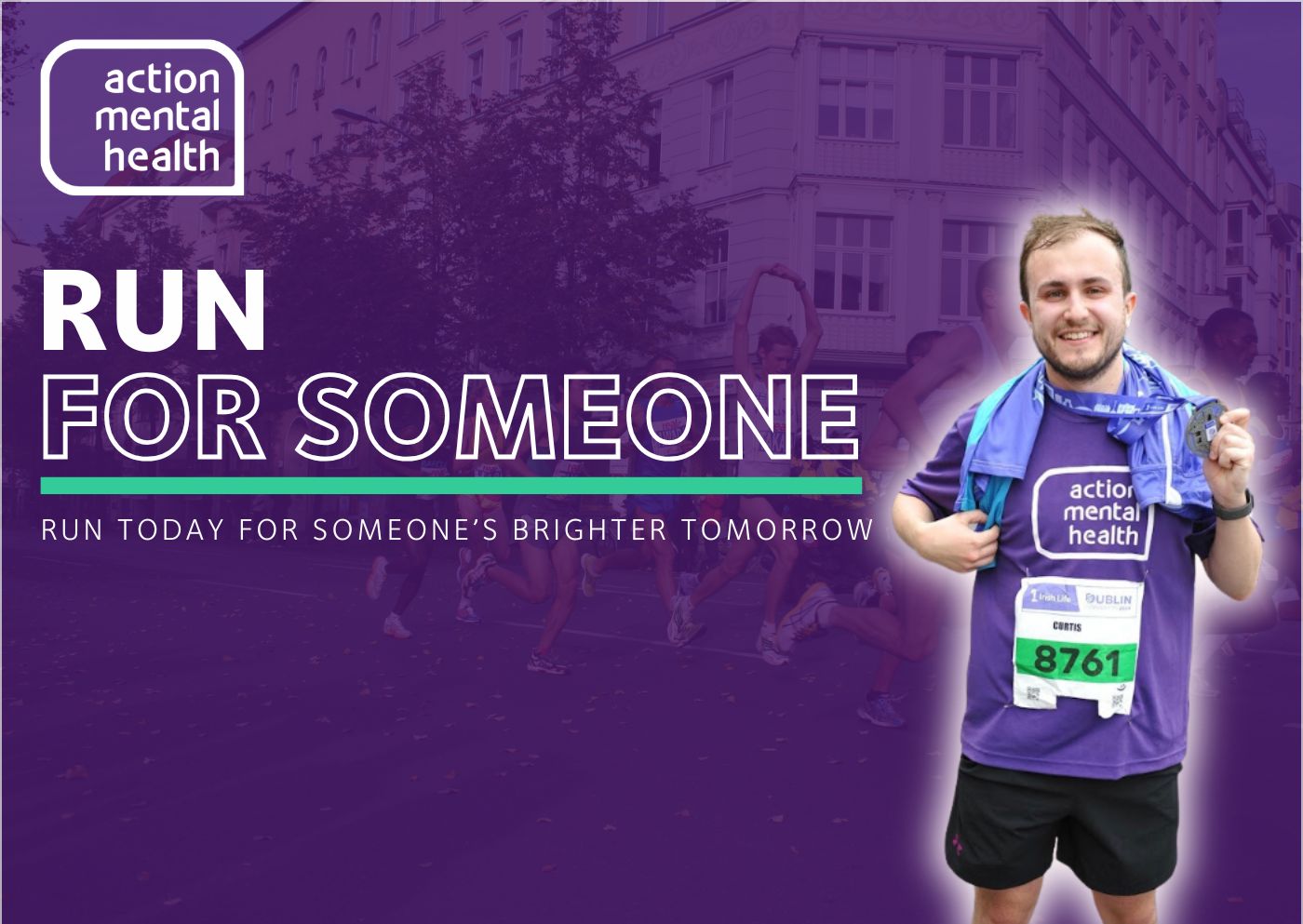
At Action Mental Health we have multiple opportunities throughout the year for runners to take part in a range of marathons and half-marathons, both locally and further afield. Indeed, if Belfast doesn’t appeal, then how about Vienna, Rome, Paris or Milan? The perfect opportunity to combine some sightseeing with your running, you could even make a holiday of it and book a few days away to really make the most of your trip.
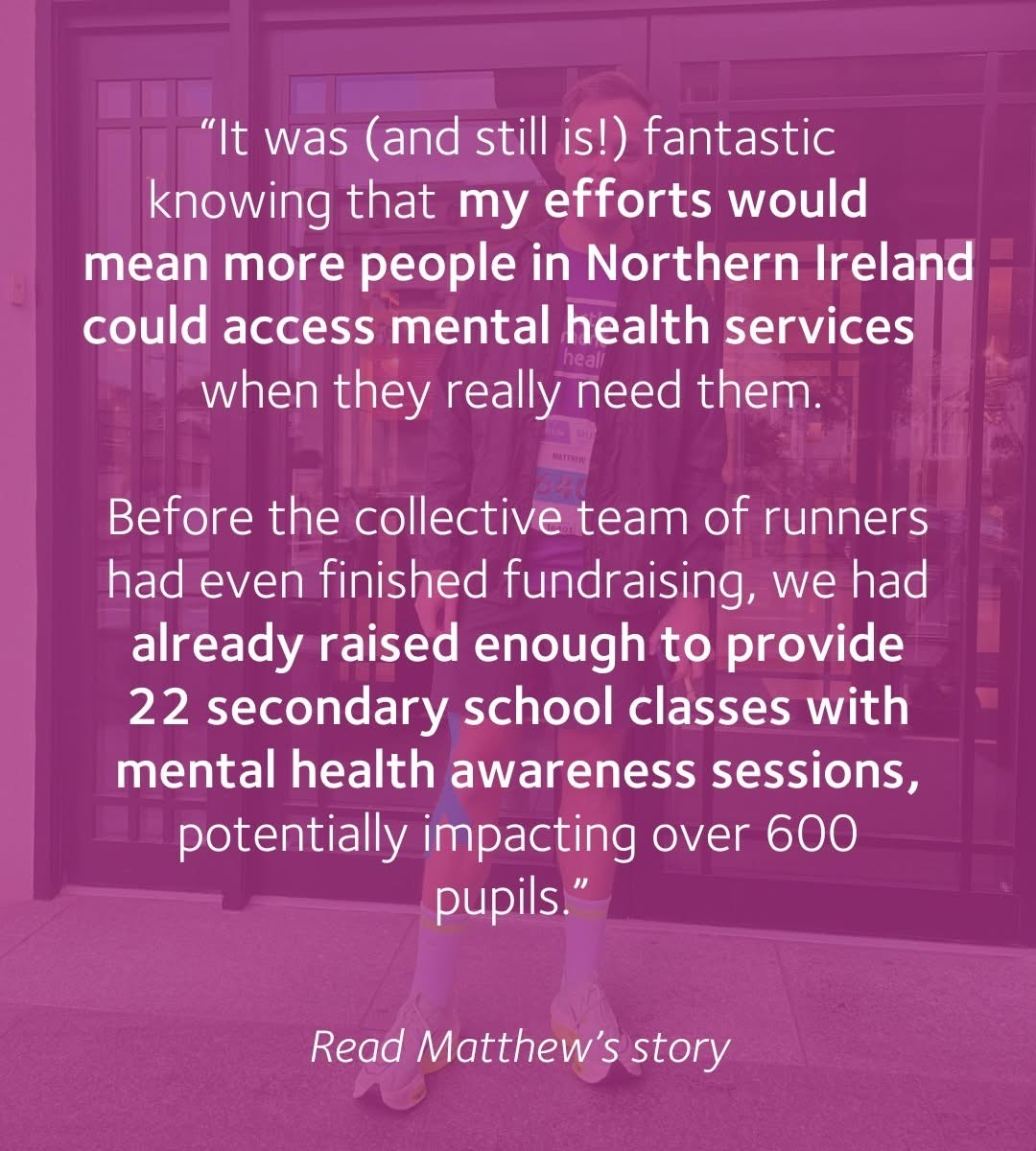
Whether you’re new to running, are an occasional runner or a seasoned marathon-goer, our events are scattered across the year, so there’s plenty of time to train up for a good cause. By running on behalf of Action Mental Health you’ll subsequently help to raise awareness of our services for people in your local community as well as assisting with vital fundraising to help us continue delivering these. You’ll also have something to work towards, with a clear running goal, which will give that added sense of achievement when you complete your run.
So, this year, why not run for a reason and sign up to one of our marathons or half-marathons? Your support today will ultimately help to make someone’s tomorrow that bit brighter.
Embrace the mental and physical benefits of running
There are many benefits to running, both to our physical and mental health, so it’s a great way to keep fit and healthy, no matter what age you are. It’s also a flexible hobby as you can do it whenever suits your schedule and is relatively cheap, as the key essentials required are simply a good pair of running shoes and some appropriate running kit.
Advantages of running:
Boosts heart health: Research shows that running strengthens the heart and lowers your resting heartrate, making it more efficient. Running further reduces the risk of heart disease, as a healthier and more robust heart is less likely to succumb to illness.
Improves muscle and joint strength: Running makes your body more resilient so if you run regularly, your muscles will get stronger and this in turn will help to prevent injury. Your joints will also benefit, as research indicates that runners actually experience less wear and tear on their joints than those who don’t run.
Better mood: The so-called ‘runner’s high’ is true as it has been found that running boosts our mood and enhances mental wellbeing. It reduces feelings of stress and anxiety and makes us feel better and happier in ourselves.
Gets you out in nature: When we run outside it allows us a chance to get out and about in nature, which is also known to boost our mental wellbeing.
Improves sleep: Running, especially earlier in the day, gives us energy while ultimately tiring out our body in a good way. It means that, by the time we go to bed, our bodies are better prepared for sleeping, while the sleep we experience will be better quality as a result and we won’t find it as difficult to nod off.
Run for a reason in 2025
If you’re ready to give running a go this year then we’re currently accepting applications for our various Action Mental Health running challenges in 2025.
Having launched our “I AM SOMEONE” campaign on World Mental Health Day last October, we’re now encouraging our supporters to ‘run for someone’ by participating in one (or more!) of our marathons or half-marathons. Why not run for a reason this year and help to support people in your community who are struggling with their mental health?
While Christmas is traditionally associated with merriment and good cheer – a time for getting together with friends and family for celebration – many people struggle with their mental health at this time of year, for a variety of reasons.
Whether it’s loneliness due to the prospect of facing Christmas alone, financial stress, depression or Seasonal Affective Disorder (SAD), these are just some of the reasons why our mental health can suffer during the holidays. However, it’s important to understand that, if you or someone you know is struggling at Christmas, you’re not alone – and there are things that can help you cope and make things more manageable.
Managing stress and anxiety at Christmas
According to research from YouGov (2019), more than two-in-five people feel stressed during December, with anxiety affecting three-in-ten. Meanwhile, a quarter of people said they had felt depressed over Christmas, while just under a quarter felt lonely during the festive period.
“Feeling low around Christmas is especially common among people who are unemployed (38%), divorced (35%) or widowed (31%). It’s less so, but not unusual, for parents with kids living at home (23%).” (YouGov, 2019).
In addition to this, people aged between 25-34 years old are more likely to experience anxiety and loneliness (31%-40%), with women being more prone to mental health issues in general at Christmas time (51%).
If you already experience anxiety, then the busyness of the festive season can heighten this even more, what with events, visiting friends and family, buying gifts and the general intensity of the season. Increased traffic, people, lights and noise when you’re out and about can also trigger anxiety and led to overwhelm. It can therefore be helpful to bear the following points in mind, if you feel yourself getting anxious or, indeed, want to minimise anxiety at this time of year:
Plan ahead: If you’re going Christmas shopping, choose quieter times like early in the morning or later at night – and pick a location you know is going to be less busy. Alternatively, avoid the crowds altogether and shop online – you can still support local businesses this way and prevent the risk of getting overwhelmed in busy shops.
Know the signs: If you suffer from anxiety on a regular basis then you’ll be aware of what triggers this and the symptoms that present, but some people may only experience anxiety at certain times like Christmas, when life is particularly hectic. Signs of anxiety can include feeling faint, dizzy, disoriented or struggling to catch your breath, as well as having an increased heart rate (racing heart), feeling paranoid, fearful, tense or excessively worried. When anxiety hits, you can try to ground yourself by focusing on the present moment and noticing what’s around you – name five things you can see, hear or taste, for example. Taking deep breaths – extending your exhalation so that it’s longer than your inward breath – will also help to calm your nervous system. Removing yourself (when you feel able to do so) from the environment e.g. leaving the shop to get fresh air or even just sitting down if you feel faint, can all help to manage your anxiety in the moment as well.
Set realistic expectations: Christmas can invite comparison with other people as we see images on social media of what others are getting up to, or from what we see around us in the day-to-day. However, it’s worth remembering that we never see the full picture with anyone and comparing your Christmas to someone else’s runs the risk of making you feel anxious, if you feel that you aren’t meeting self-imposed or so-called social standards. Being realistic about everything from family gatherings to present-buying and festive activities will help to reduce anxiety and take the pressure off.
Practice self-care: Remembering to take time out for yourself – stepping away from the hustle and bustle and prioritising rest and relaxation – will help to manage anxiety. Say ‘no’ to things that might overwhelm you and limit what you do over the festive season. While you may not be able to avoid the busyness of the holidays completely, you can do what you can to minimise the triggers of anxiety. Eating well and not overindulging too much, talking to someone you trust and sticking to as much of your normal routine as possible can also help.
Going for a walk can help boost your mental wellbeing.
Sarah Grant-Jones, Head of Clinical Services within Action Mental Health’s counselling service, said it was important to manage expectations over Christmas.
“Family holidays can be wonderful but very intense,” she said. “People can feel the pressure to have the perfect Christmas – but there’s no such thing. The work we do with our clients is to help them manage their expectations around Christmas. It might not be quite how they expect it to be, so it’s about how to manage that if it’s not.
“I think it’s really about knowing yourself and being aware of what works for you. There’s going to be lots of thoughts and feelings that come up around Christmas-time. It’s a very emotive time – and can be like this for lots of different reasons, for example, if someone has experienced a bereavement at this time of year. You have to be aware of that and work with it personally or within your family. Be aware that you may experience lots of different thoughts and feelings over the Christmas period – and prepare for that.”
Anxiety can be one of the main symptoms of stress, along with feelings of overwhelm and finding it difficult to make decisions. Being restless and having a constant sense of dread or underlying worry can also be symptomatic of stress, so it’s important to be aware of these signs and to look out for yourself over Christmas.
Stress can particularly affect women over the festive season: “Christmas is especially tough on women’s mental health. While women are only 4% more likely to say Christmas affects them negatively, the difference is more glaring when it comes to stress and anxiety. While … 35% of men have felt stressed around Christmas, for women the figure is 51%. Over a third of women also say they’ve felt anxious, whereas less than a quarter of men say the same.” (YouGov, 2019).
Doing what you can to minimise stress – for example, setting spending goals for gifts, asking people for help with dinner preparations, taking time out for yourself and avoiding comparison with others – can all help to reduce stress.
“If you experience anxiety or low mood, then it’s about being aware of what triggers that – and the pressure points for you,” said Sarah. “Give yourself time for how you’re going to cope with things. For example, with social anxiety – how would you feel about attending that party or big family event? It’s about thinking through what potentially may be an issue for you and knowing that, whatever you’re thinking, is ok. Give yourself permission to feel that.”
Depression at Christmas
If you have depression, then Christmas can be a difficult time to navigate, particularly when everyone around you appears to be happy and the season sets an expectation for this. It can also be hard trying to explain to others that you feel low, even at Christmas, if they don’t understand the symptoms of depression or how it affects you.
Struggling with feelings of hopelessness and worthlessness, anxiety, intense sadness and low energy can all be symptoms of depression, along with fluctuations in appetite. Seasonal Affective Disorder (SAD) can also strike at this time of year – either on top of pre-existing depression or as a standalone form of depression that some people only experience in winter. SAD – also sometimes referred to as the ‘winter blues’ – is low mood caused primarily during December, January and February due to reduced exposure to sunlight during the darker days of winter.
To help you or someone you know cope with depression over Christmas, here are a few tips on what may help:
Talk to someone: Discussing how you feel with someone you trust will help share the burden and make you feel less alone. If you isolate yourself then you can become stuck in your thoughts, which can create a vicious cycle of low mood. Talking to a friend or family member, however, can help prevent a downward thought spiral and ground you in the present moment. Explaining how you feel can also help you set boundaries with other people at Christmas and help them understand how they can support you.
Stay in touch with people but know when to say ‘no’: Isolating yourself can contribute to low mood, especially if you already experience depression, so it’s important not to cut yourself off from people completely over Christmas. If possible, maintain contact with trusted friends and/or family but avoid overwhelm by choosing when you socialise i.e. you don’t have to accept every invitation you receive – be selective. Setting boundaries will safeguard your mental health while also helping you stay connected, so your low mood doesn’t spiral, as being with other people grounds us and makes us feel less alone.
Be active: Keeping active helps to boost our mental wellbeing, so sticking to routines like going for a daily walk and just getting outside is important, especially at Christmas when schedules change with the holidays.
Know your limits: If you’re struggling with depression of any kind, then this is something you will also need to manage throughout Christmas. Recognising this and removing any pressure to ‘feel better’ over the festive season is important. Know what you can manage and how to handle the holidays in the best way for you. Placing unnecessary pressure on yourself to ‘do Christmas’ like those who don’t have depression is unfair on yourself and sets unrealistic expectations.
“It’s about acknowledging what’s going on for you and validating that; knowing, ‘what will help me to lift my mood?’” said Sarah.
“It’s good to have a repertoire of coping strategies to hand, or kept on your phone. For example, maybe time-out helps you cope. And – be kind to yourself. Allow yourself the opportunity to not do more than you feel you want do or are able to do. It’s ok not to be ok – and if you don’t feel ok, reach out.”
Talking to someone you trust can help you feel grounded and less alone over the festive season.
Alleviating loneliness during the festive season
Christmas festivities can exacerbate feelings of loneliness during the holidays, especially if you’re spending it alone, are divorced, separated, single or have recently been bereaved. Feeling like everyone else is having a great time together can also make you feel even more alone, even if perceptions based on what you see online or on the street aren’t always accurate.
Loneliness can co-exist alongside various mental health issues and can become a more serious problem itself, if left unaddressed. That’s why, if you or someone you know is experiencing loneliness – or anticipate it over Christmas – there are things which can help to alleviate it.
Connect with people: Whether it’s volunteering at your local animal shelter, visiting a friend or going out for a walk and just saying hello to people, find ways to avoid isolation. Spending time with people boosts our wellbeing and helps us feel less alone, while having a conversation with someone about anything at all can lift our mood and ground us in the present moment.
Structure your days: If you’re lonely and are also coping with a bereavement at Christmas, then this can make the holidays even more difficult to navigate. Planning your days and giving them a structure can help, while walking/exercise that gets you moving and outside, rather than sitting indoors watching TV all day, can also help to support your mental wellbeing.
Practice self-care: From saying ‘no’ to invitations and giving yourself time to rest, to planning activities you enjoy and removing any guilt you may feel about putting yourself first, practising self-care will help prevent overwhelm over Christmas.
Ask for help: Even during the holidays, support from the Samaritans is always available, while Cruse Bereavement Carealso provides support for those who are grieving (check online for opening hours).
“We have a safety plan that we use with our clients, with three things people can do to help work with their thoughts and feelings,” said Sarah. “For example, have three people you can contact if you need to. Think about who you can reach out to and where you can go for help.
“There are also sources of support available over the holiday period. Sometimes, it’s just about being in someone’s presence or talking to someone. We would always say to children and young people to go to a trusted adult.”
Keep Christmas on track
Taking things in moderation, avoiding comparison, practicing self-care and staying connected with people are just some of the ways you can look out for your mental health this Christmas. Whether it’s in relation to yourself or someone you know, being aware of the signs of poor mental health and knowing what to do to minimise triggers can help.
Meanwhile, setting boundaries around activities and knowing your limits for socialising can also support better wellbeing at Christmas, without isolating yourself. Talking with someone who you trust and explaining how you feel about the festive season can also help to make Christmas more manageable. Ultimately, being kind to yourself is key.
If you are in crisis or distress, please remember that Lifeline operates 24/7 throughout the holiday period – you can call them and talk to a trained counsellor on: 0808 808 8000.
The Samaritans can also be contacted 24/7 by calling: 116 123.
For young people, Papyrus operate HOPELINE247 at: 0800 068 41 41.