


TikTok, Instagram and Snapchat are among the Social Media platforms to be banned for under 16s, according to new UK Government plans to improve children’s safety and wellbeing online.
The government is expected to pass regulations before Christmas, allowing the ban to take effect from spring 2027.1
The plans would mark a significant shift in how young people use the internet and reflect a growing concern about the impact of social media on mental health.
Where we are now
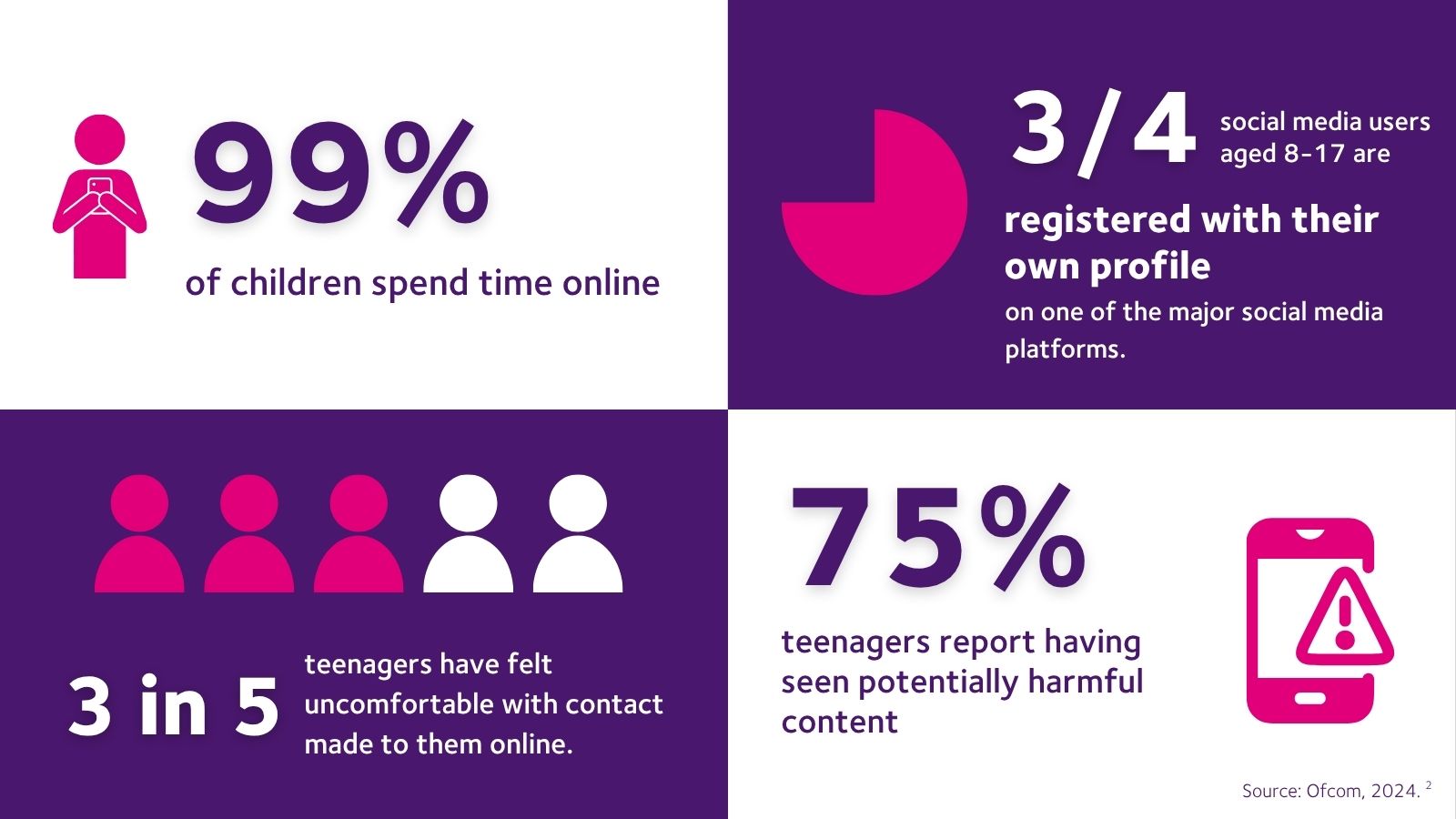
Using the internet is part of daily life for almost all young people. Ofcom have found that 99% of children spend time online, with three-quarters of social media users aged 8-17 registered with their own profile on one of the major platforms. 2
However, there are real risks to children spending time online. Around 75% of teenagers report having encountered potentially harmful content, while 3 in 5 have felt uncomfortable by contact made with them online. 2
Research from the Royal Society of Public Health also shows links between increased social media use and poorer mental health 3:
- Young people who spend more than two hours per day on social media are more likely to report poor mental health, including symptoms of anxiety and depression.
- Young people report that four of the five most used social media platforms make their feelings of anxiety worse.
- 7 in 10 young people report having experienced cyberbullying.
- Social media use is also linked to poor sleep habits.
What we can learn from Australia
In December 2025, Australia became the first country to restrict social media access for under 16s nationwide.
Though it’s too early to fully assess the effectiveness of this ban, an early survey suggests a mixed picture 4:
Positive impacts
- 61% parents observed positive behavioural effects
- 43% noticed more face-to-face interactions
- 38% noted an improvement in relationships
Negative impacts
- 27% of parents reported a shift to alternative or less regulated platforms
- 25% saw a decrease in social connection, creativity and online support from peers
While this survey suggests some encouraging early signs, it’s clear some challenges will remain, particularly in navigating the movement to alternative platforms.
Longer term studies will be required to fully understand the mental health outcomes of removing social media access.
What this could mean for young people
There are clear benefits to the social media ban. Reducing access can lower exposure to harmful content, cyberbullying and addictive platform design. The age limit also gives children more time to build their resilience and coping skills before being immersed in a complex online world.
However, the ban risks driving teenagers towards less regulated, potentially less safe platforms. In turn, young people may become less likely to report any harm they encounter online.
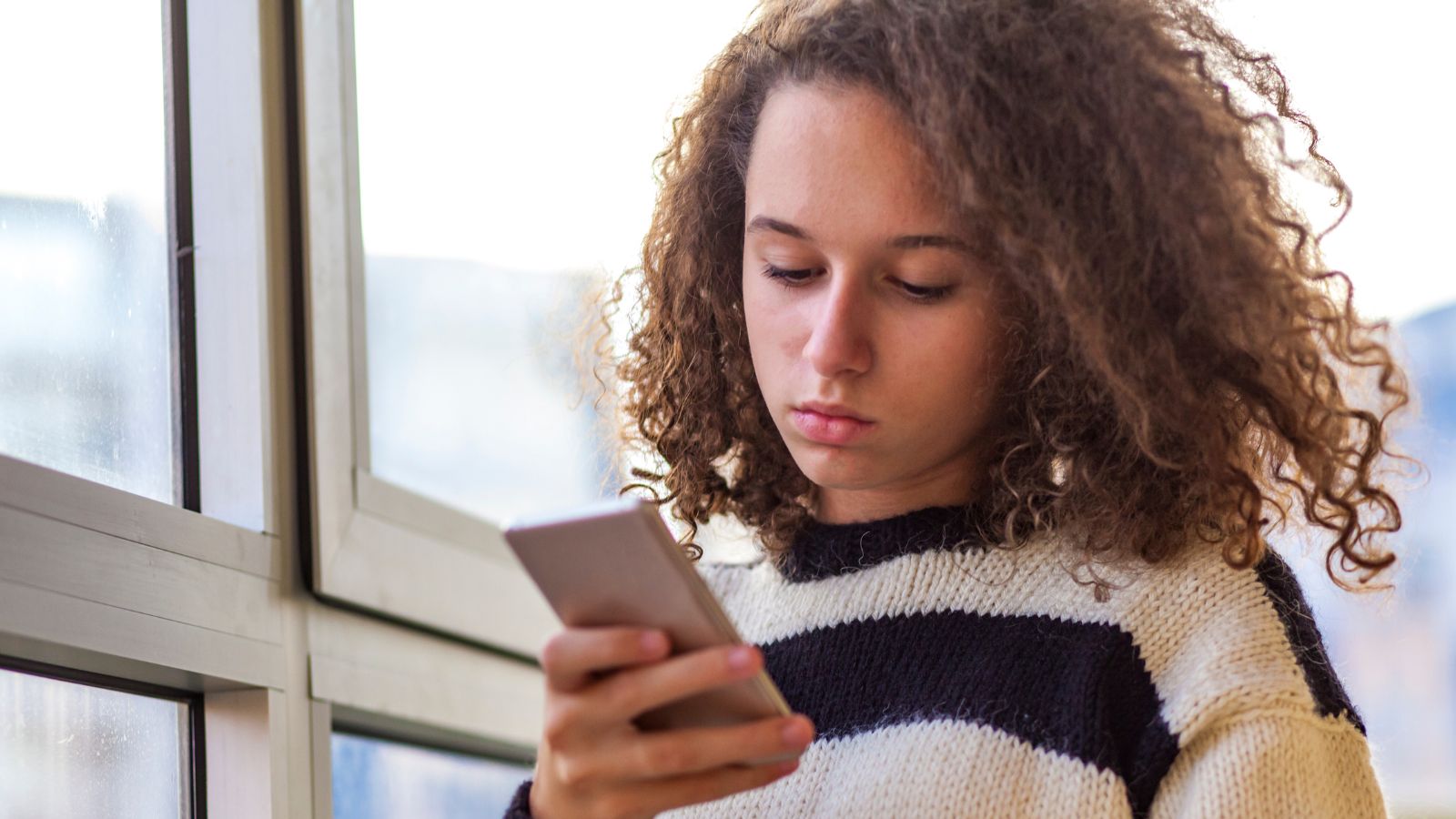
Restrictions on social media also prevents young people accessing helpful online spaces. Social media can allow young people to build and maintain friendships, explore their identity, and find expert information on difficult issues. These online connections are particularly important for those who may feel isolated or lack support in their home lives.
Moving forward
There is no simple solution to the challenges facing young people’s mental health. For many young people, these plans could have a positive impact to reduce social pressures and encourage healthier ways to maintain wellbeing.
However, a social media ban alone cannot build connection, confidence or resilience. To make a meaningful difference to young people’s mental health, it should be part of a broader effort to listen to young people’s voices, address the causes of poor mental health, and strengthen the mental health support available.
References
- McMahon, Liv. ‘When will social media ban start, and which platforms are affected?’. BBC News. 15 June 2026. https://www.bbc.co.uk/news/articles/ceqdny4l3jdo
- Ofcom. ‘How the Online Safety Act will help to protect children.’ 6 February 2024. https://www.ofcom.org.uk/online-safety/protecting-children/how-the-online-safety-act-will-help-to-protect-children
- Royal Society for Public Health. ‘#StatusofMind: The effects of Social Media on Mental Health’. 2017. https://www.rsph.org.uk/our-work/publications/statusofmind/
- Sawyer, Susan M. & Lin, Sylvia C. ‘Early wins for the social media ban, new survey claims. But the full picture is far more complicated’. The Conversation. 20 March 2026. https://theconversation.com/early-wins-for-the-social-media-ban-new-survey-claims-but-the-full-picture-is-far-more-complicated-278768