On Day 20 of Action Mental Health’s Elfie Advent Calendar, Samantha Coleman, Action Mental Health’s Fundraising and Engagement Co-ordinator, fondly reminisces on the moving and memorable Christmases of her childhood and beyond…
“I remember clearly, the first time in walked into St Nicholas’s ancient medieval church in Carrickfergus. I was 17 and was attending the Christmas by Candlelight, service, right on the stroke of 12 midnight. The atmosphere in the church was reverent but also buzzing with excitement – little ones in nightgowns, big coats and warm hats, snoozing on mum and dad’s knee, dreaming about what Santa would bring. As the years have gone by, I have attended regularly, but my new tradition since getting married is attending my husband’s church at Clonard, late on Christmas eve.”
Samantha Coleman gets nostalgic about Christmases past and present, and remembers last year’s Christmas service at Clonard Monastery.
This year, due to the ongoing pandemic, it won’t be possible, so I will watch Carol’s from Kings, light some festive candles, pop them on my window sill, and look out into the crisp night sky. I’ll look out eagerly, to see if I can spot the big man himself with Dancer, Prancer, Dasher, Vixen, Comet, Cupid, Blitzen and of course, Rudolph.”
Day 20 #ElfieAdvent – Downpatrick sings Silent Night
Usually at Christmas time the talented musicians and singers from AMH New Horizons Downpatrick spread joy to local community groups by playing and singing carols. This year, as we all know, it is a little bit different! Our very talented staff Aisling and Ciara perform Silent Night – adhering to Covid-19 guidelines – for us all to enjoy! AMH Downpatrick New Horizons wishes you a very Merry Christmas!
As the countdown to the big day continues (6 sleeps!), you might be feeling the stresses of the season, especially with the extra burden of the ongoing pandemic.
If that’s the case for you, perhaps the time is ripe for you to take a step back and indulge yourself in something you love doing – like a favourite hobby or pastime.
We know that activities that get you out and about can make you feel happier and more relaxed but research also shows that people with hobbies are less likely to suffer from stress, low mood, and depression.
Hobbies and pastimes help you switch off from your usual daily grind of responsibilities and obligations. Whether you opt for something creative like arts and crafts, something musical or anything physical from sports to gardening, hobbies offer you the chance to engage in something that brings proven health benefits.
And while you can still chill out by bingeing a TV series, a hobby is something that lets you more fully engage with, and feeds your need for something more meaningful and a purpose.
A hobby helps relieve the feelings of stress by offering a great way of unwind from your daily routine. And rather than just passing the time, a hobby you love helps you feel happier, more relaxed and better equipped to handle life’s many stressors – and can even improve feelings of anxiety or depression.
Hobbies help build resilience, deal with setbacks and challenges and can even improve your sleep, by offering pockets of peace and rest.
Hobbies like photography help you capture the beauty of the world around you – yes, even in 2020 there is beauty to be found if you really look.
Just like the clients at AMH New Horizons Newry, who have been learning the tips and tricks of the trade in regular photography sessions, photography is one of those hobbies that can take you away from anything that is stressing you.
A picture taken by a member of Newry’s photography club a few years ago
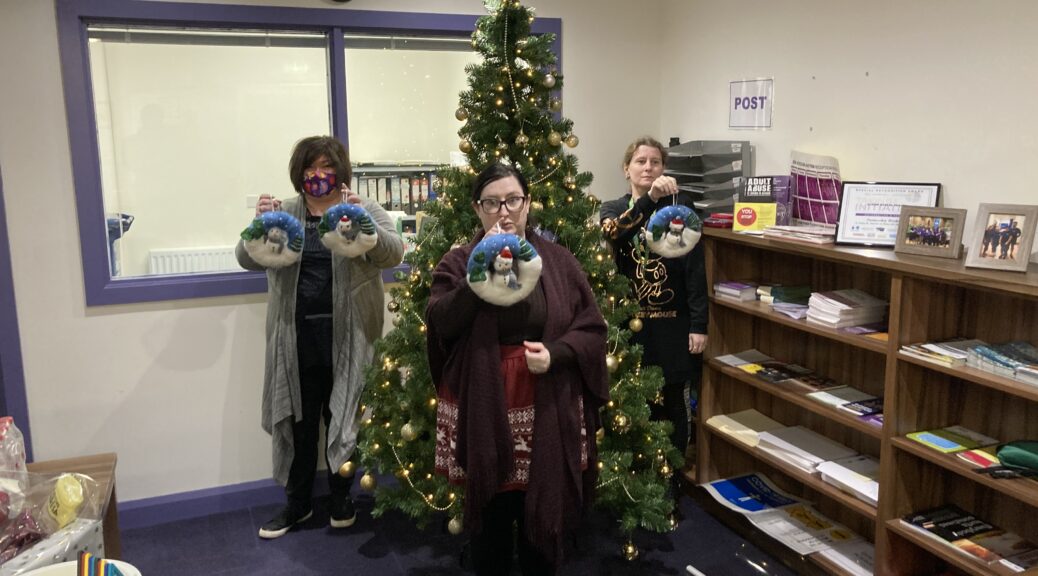
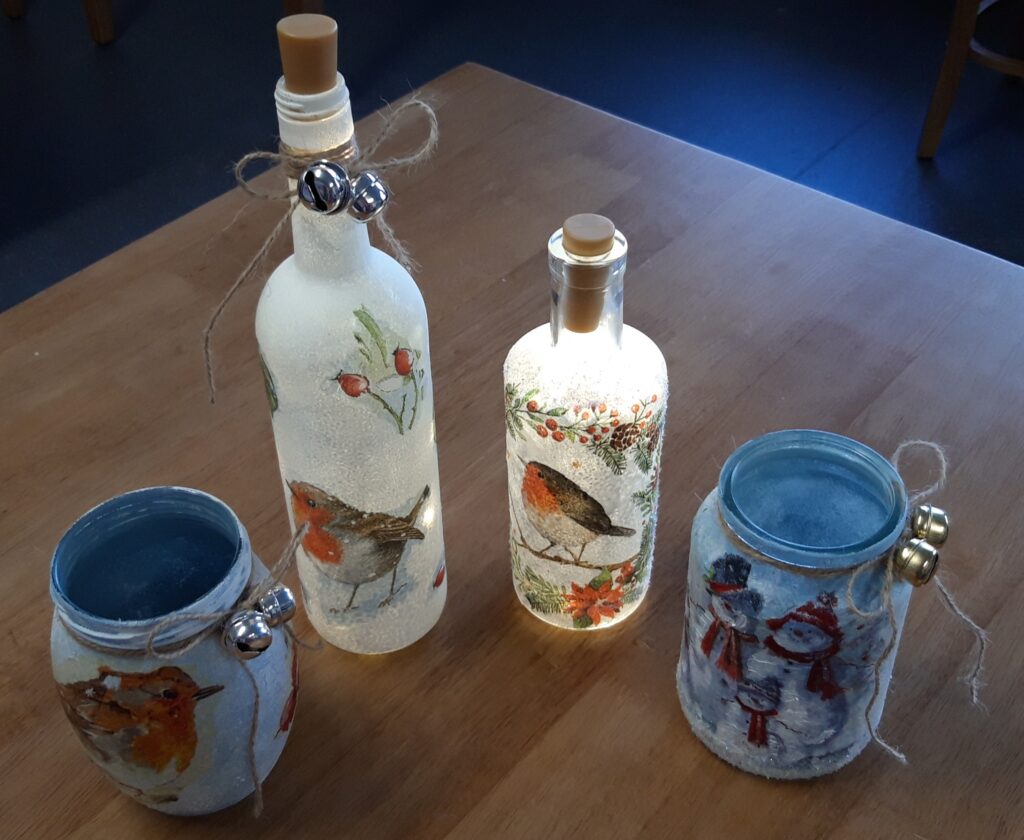
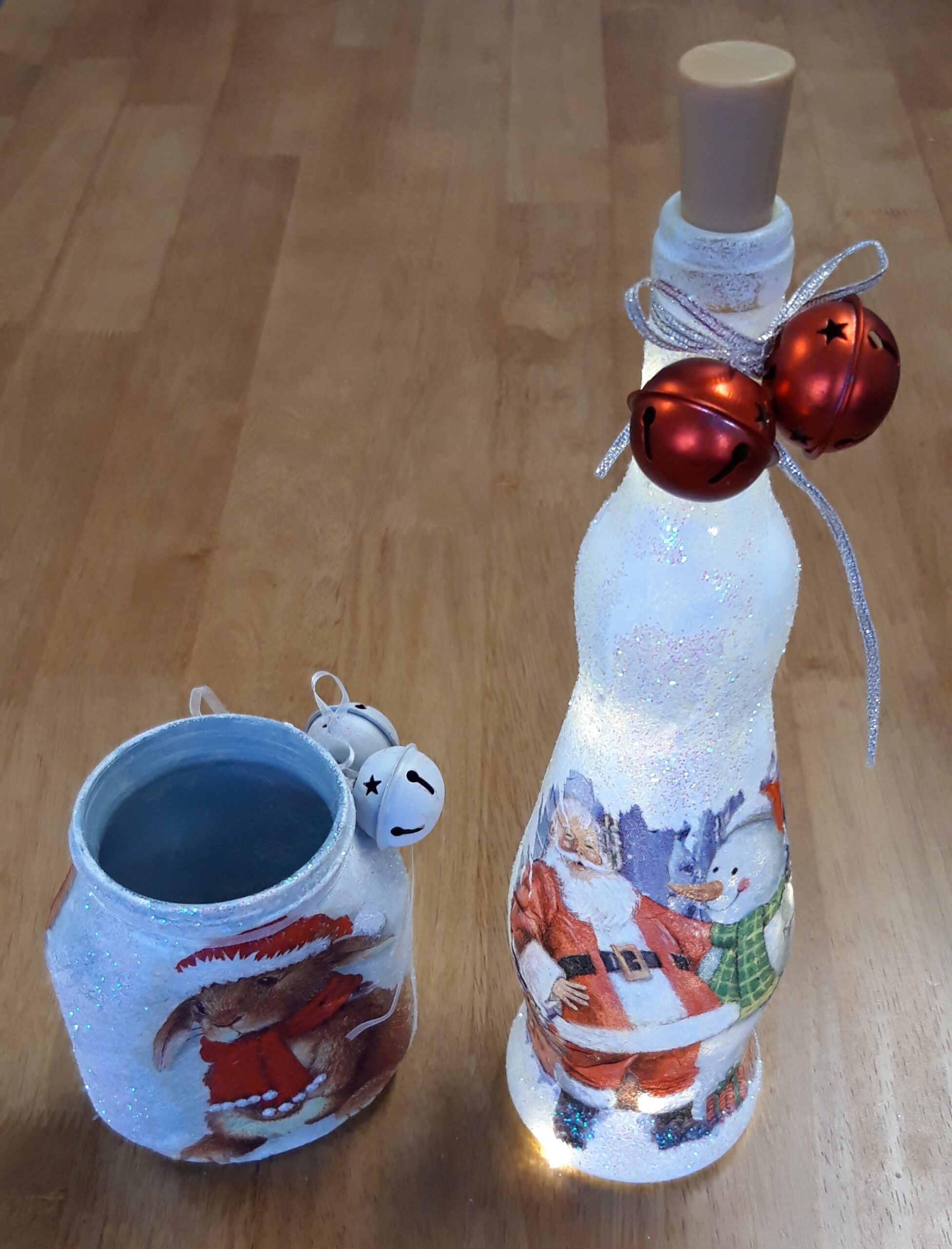
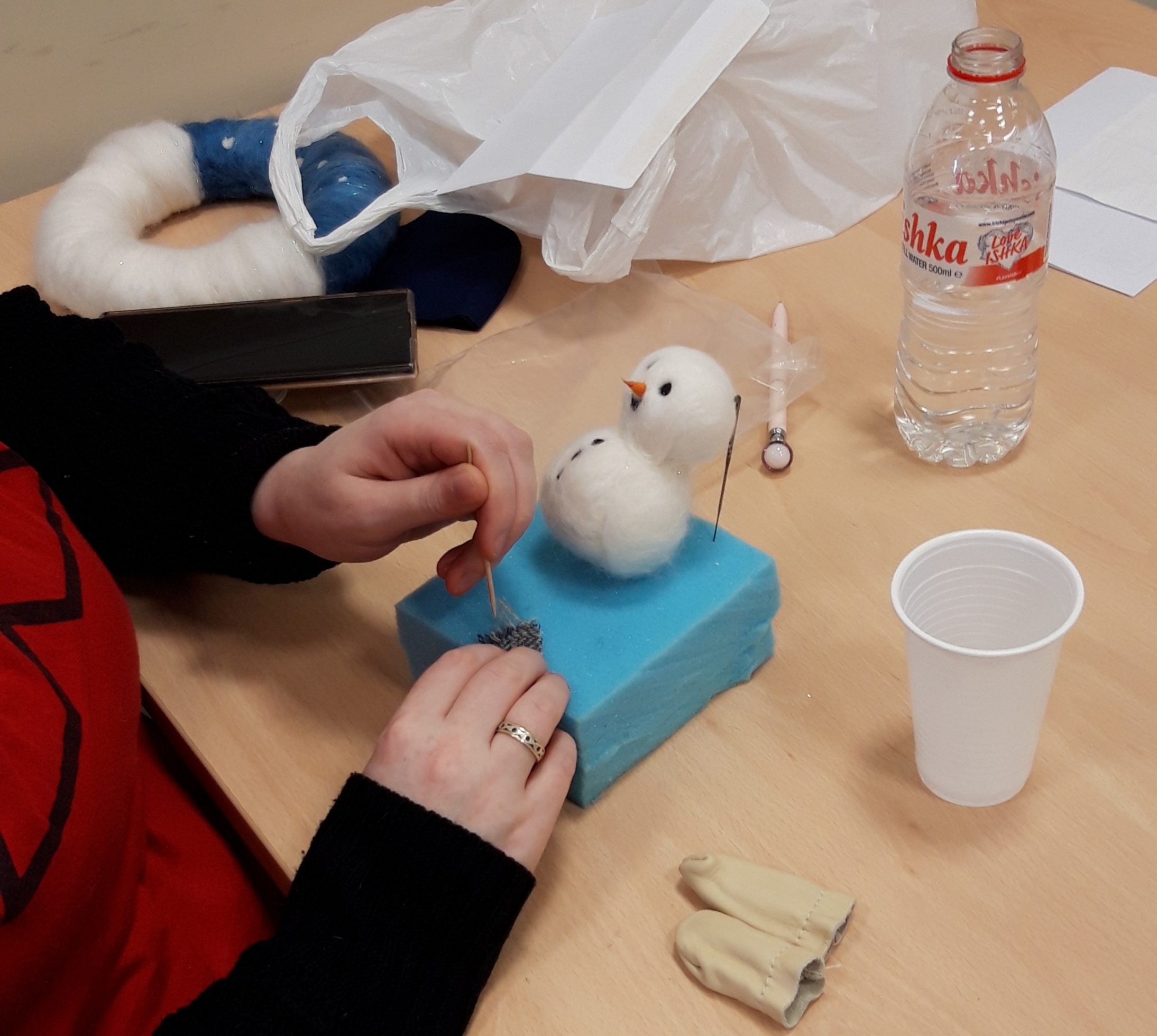
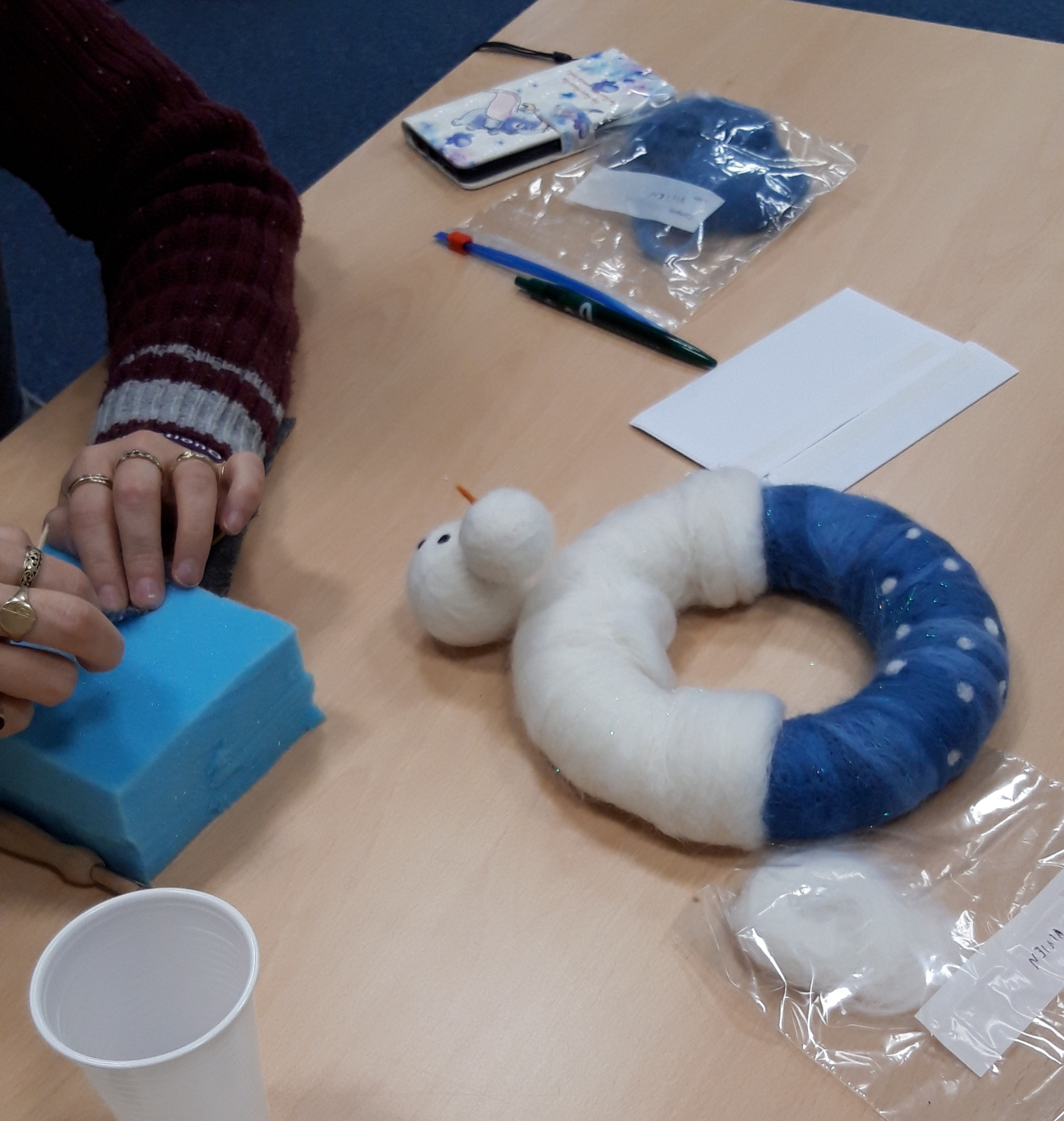
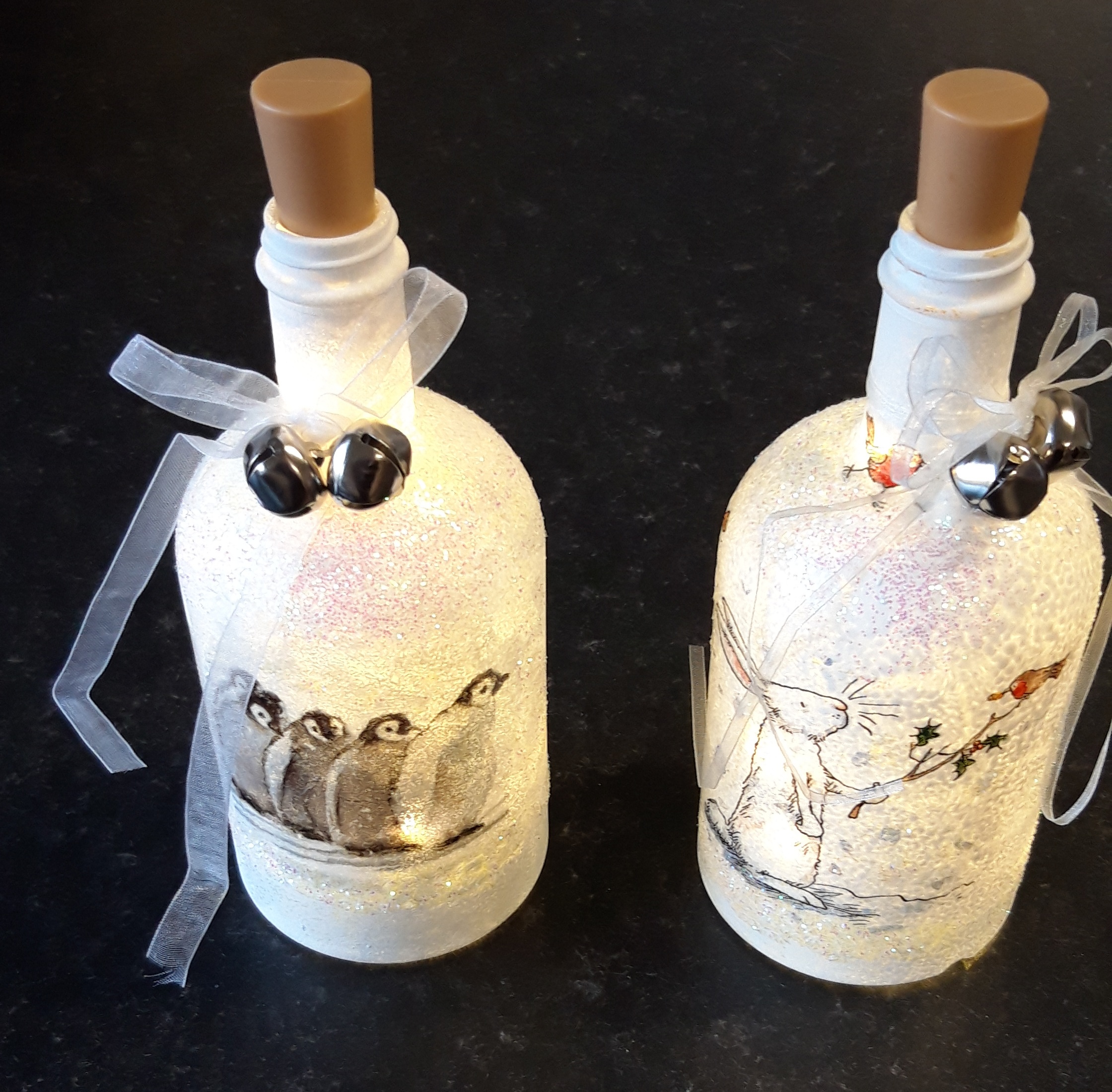
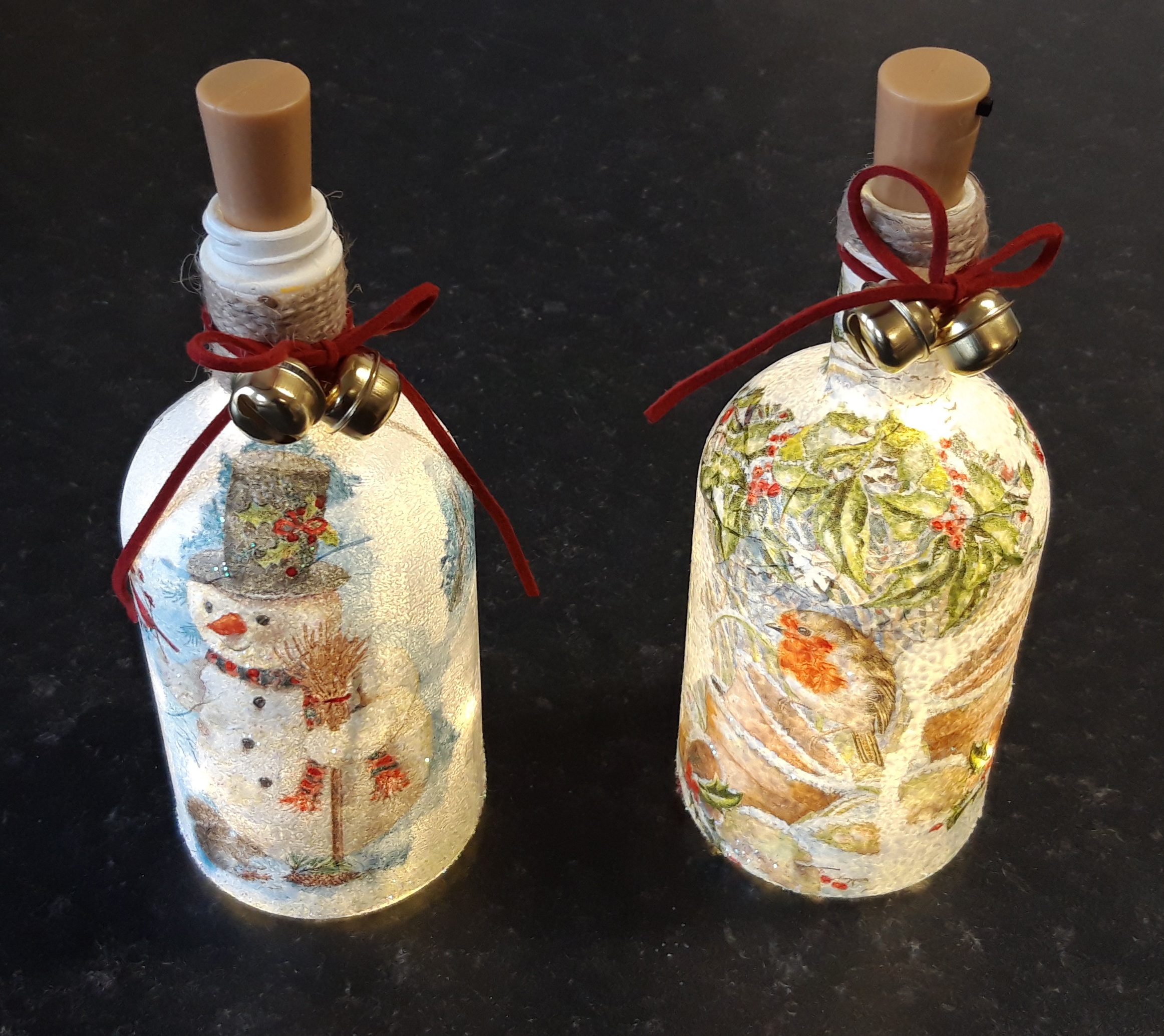
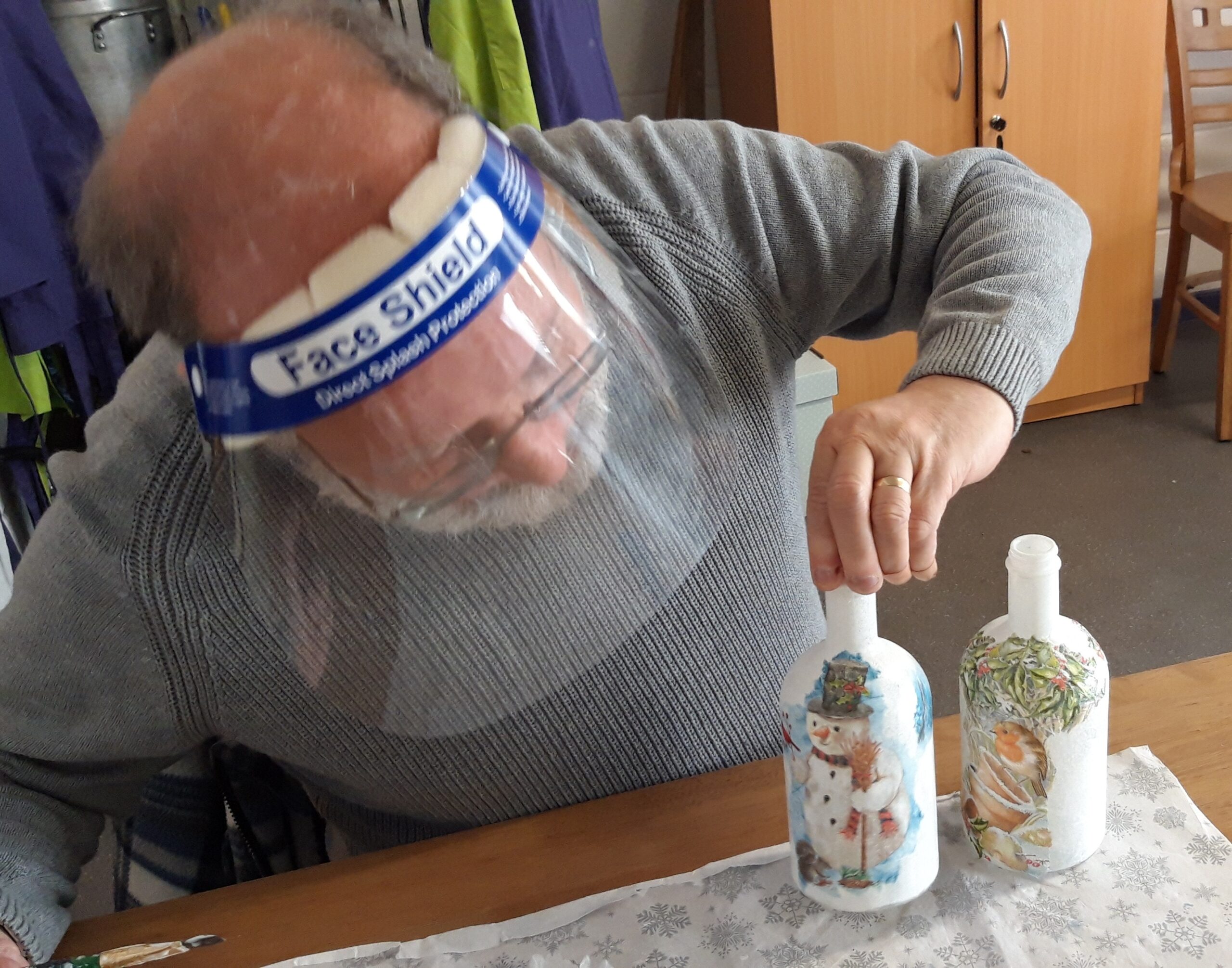
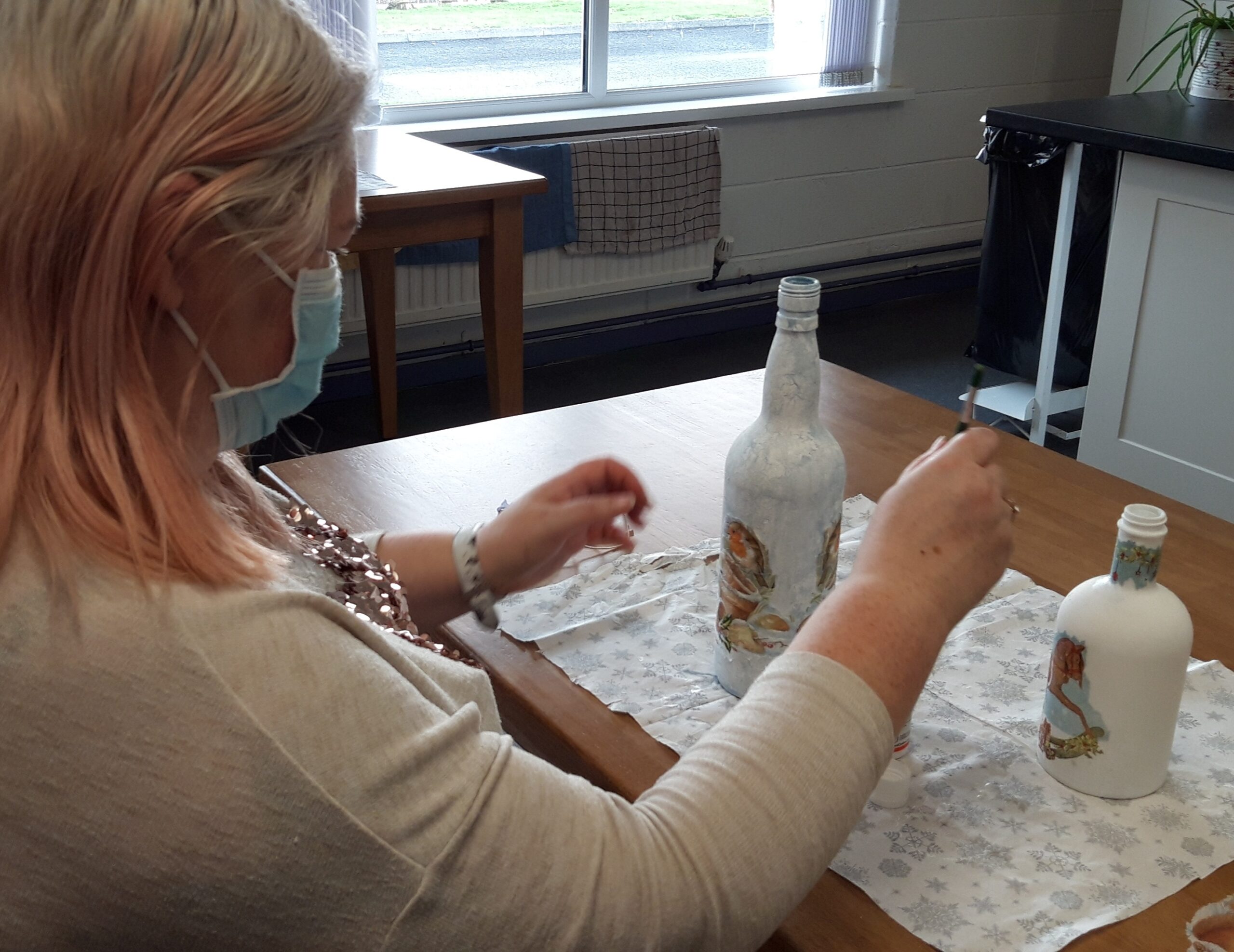
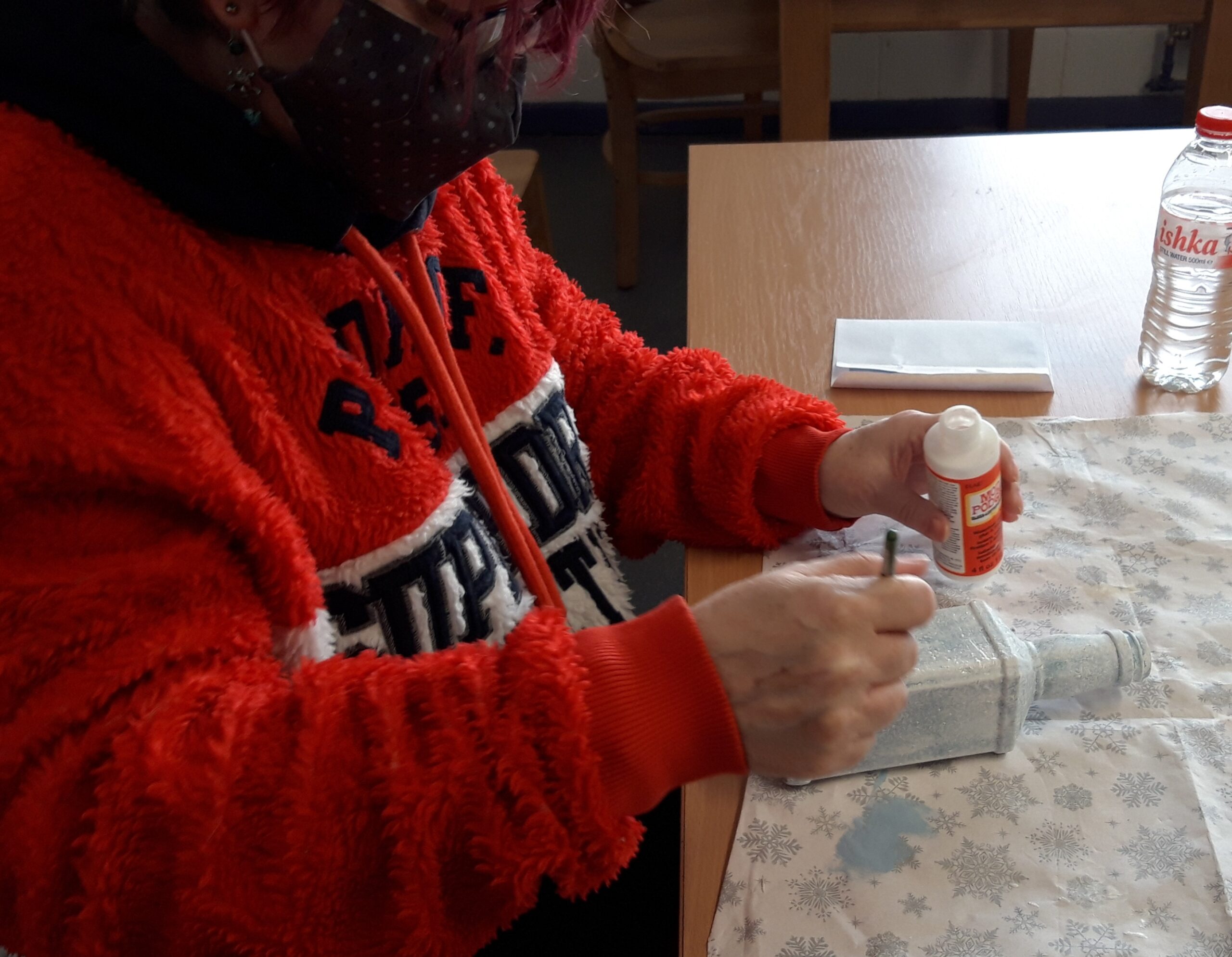
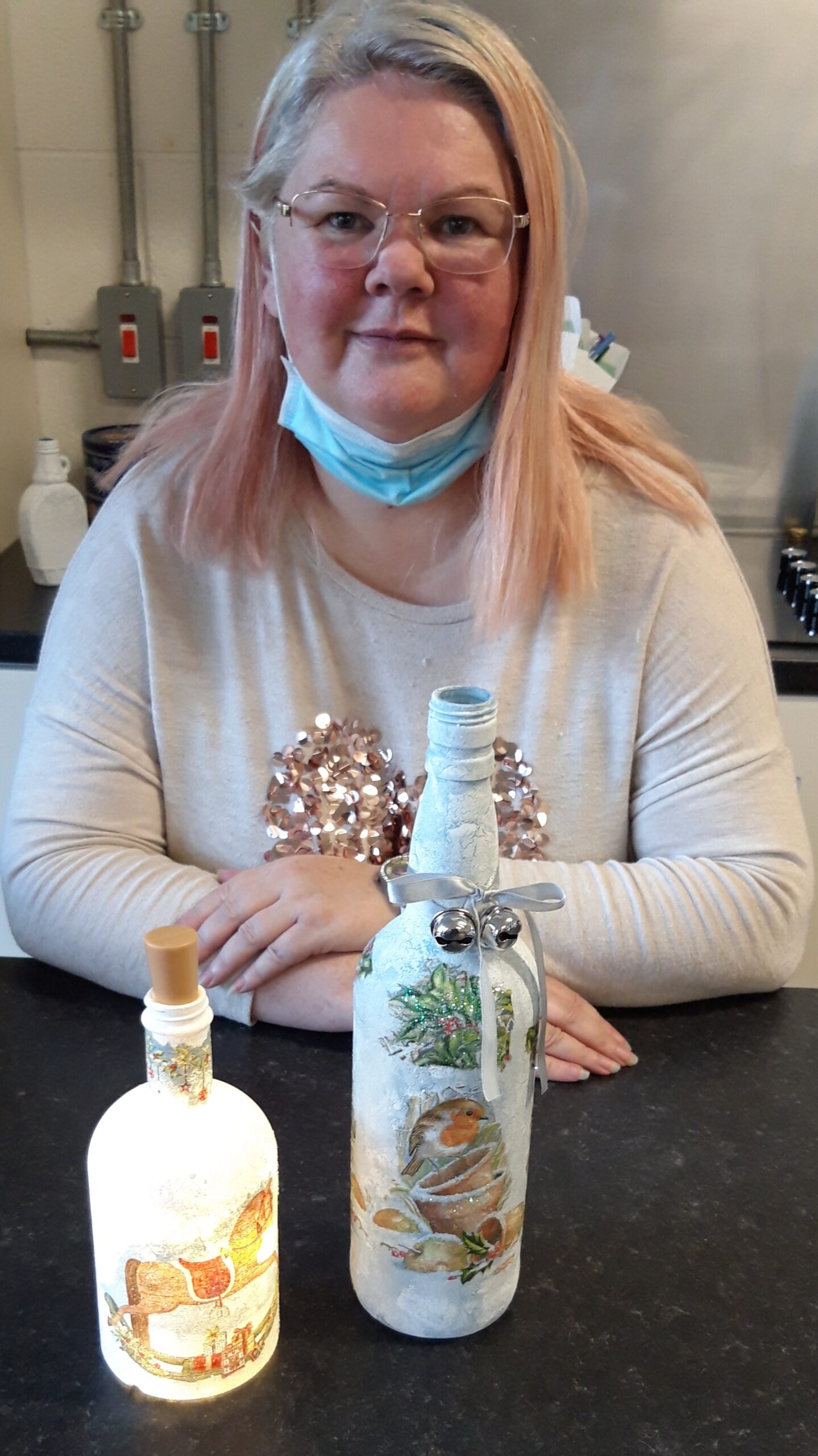
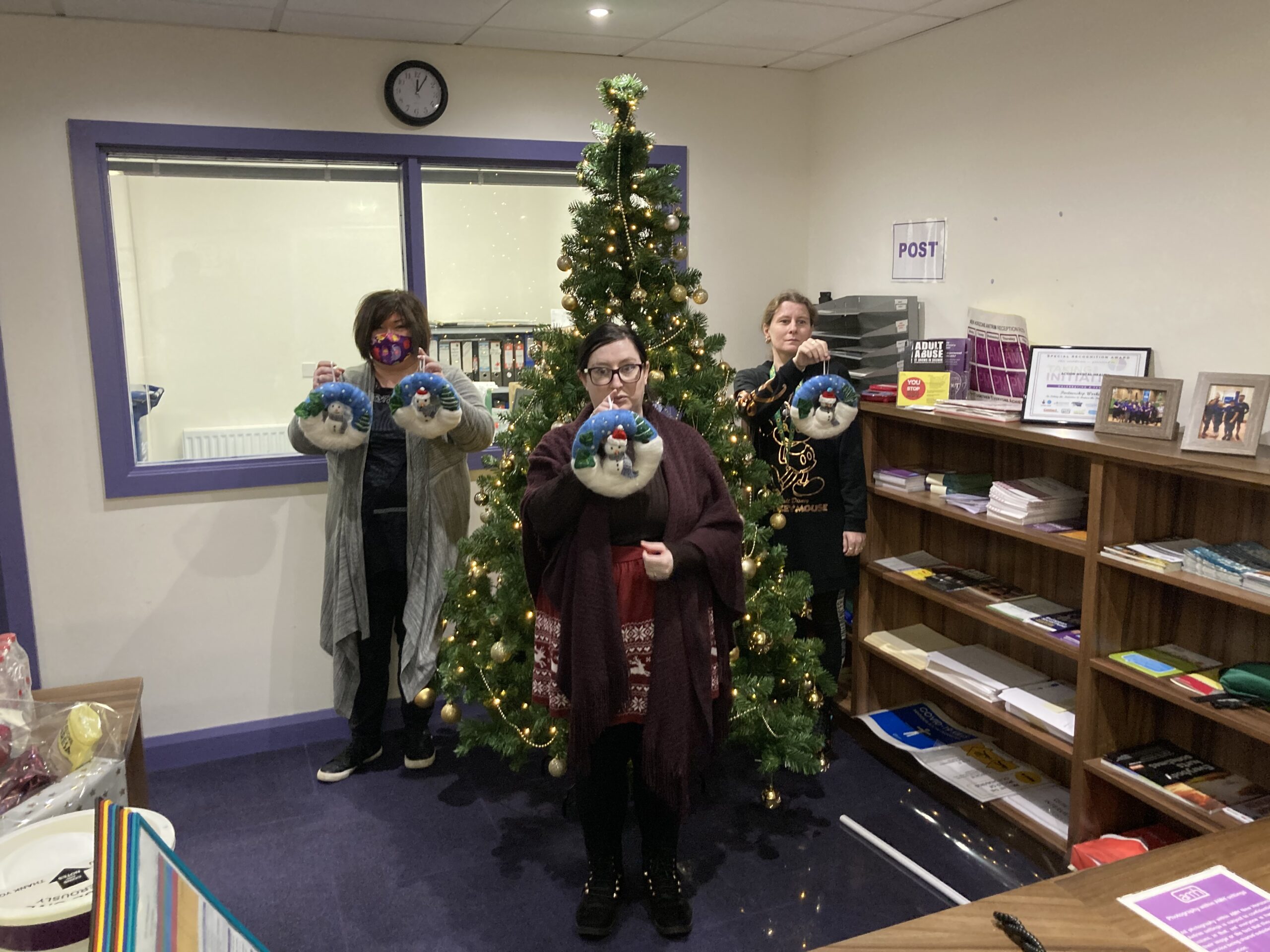
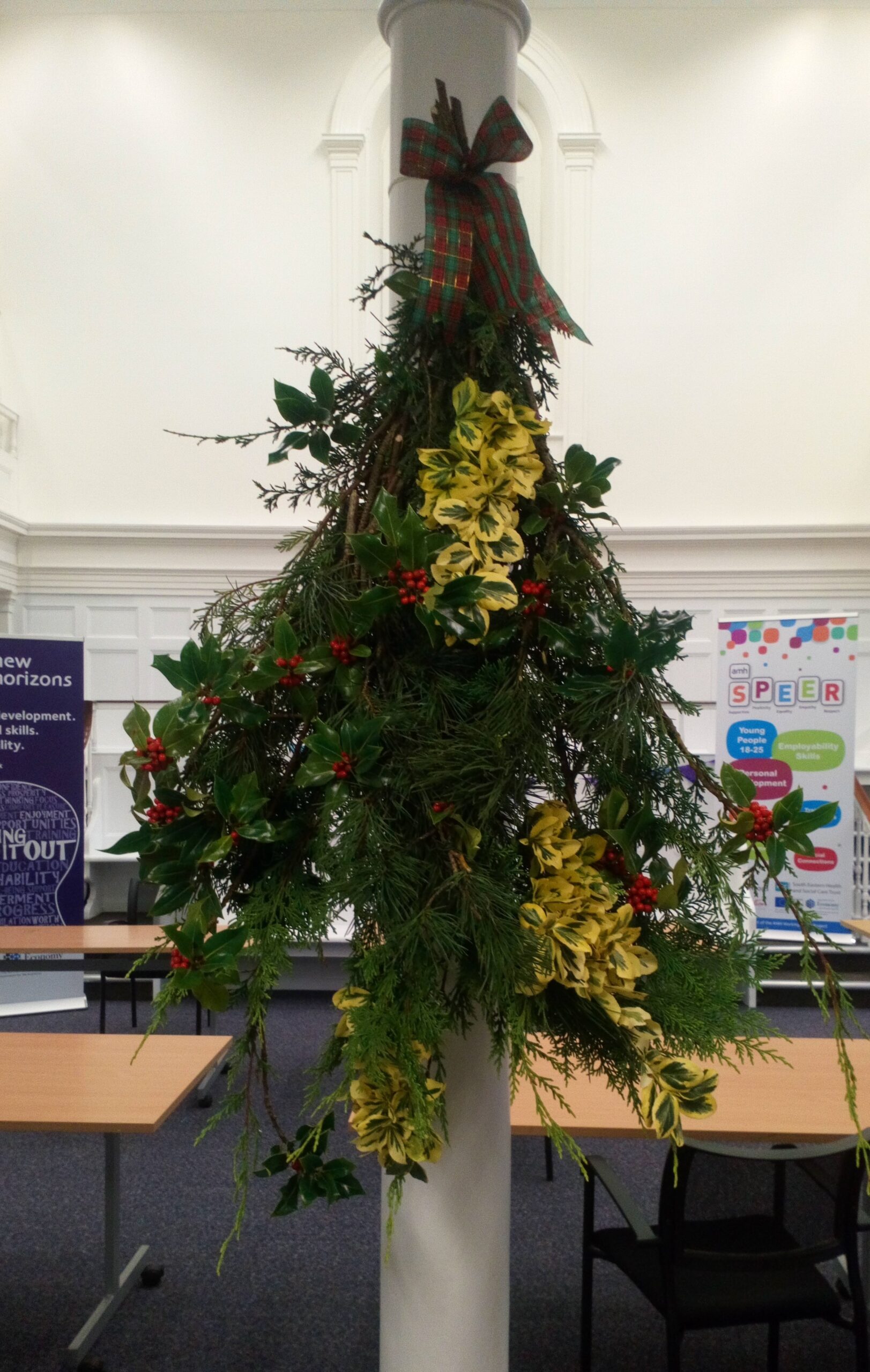
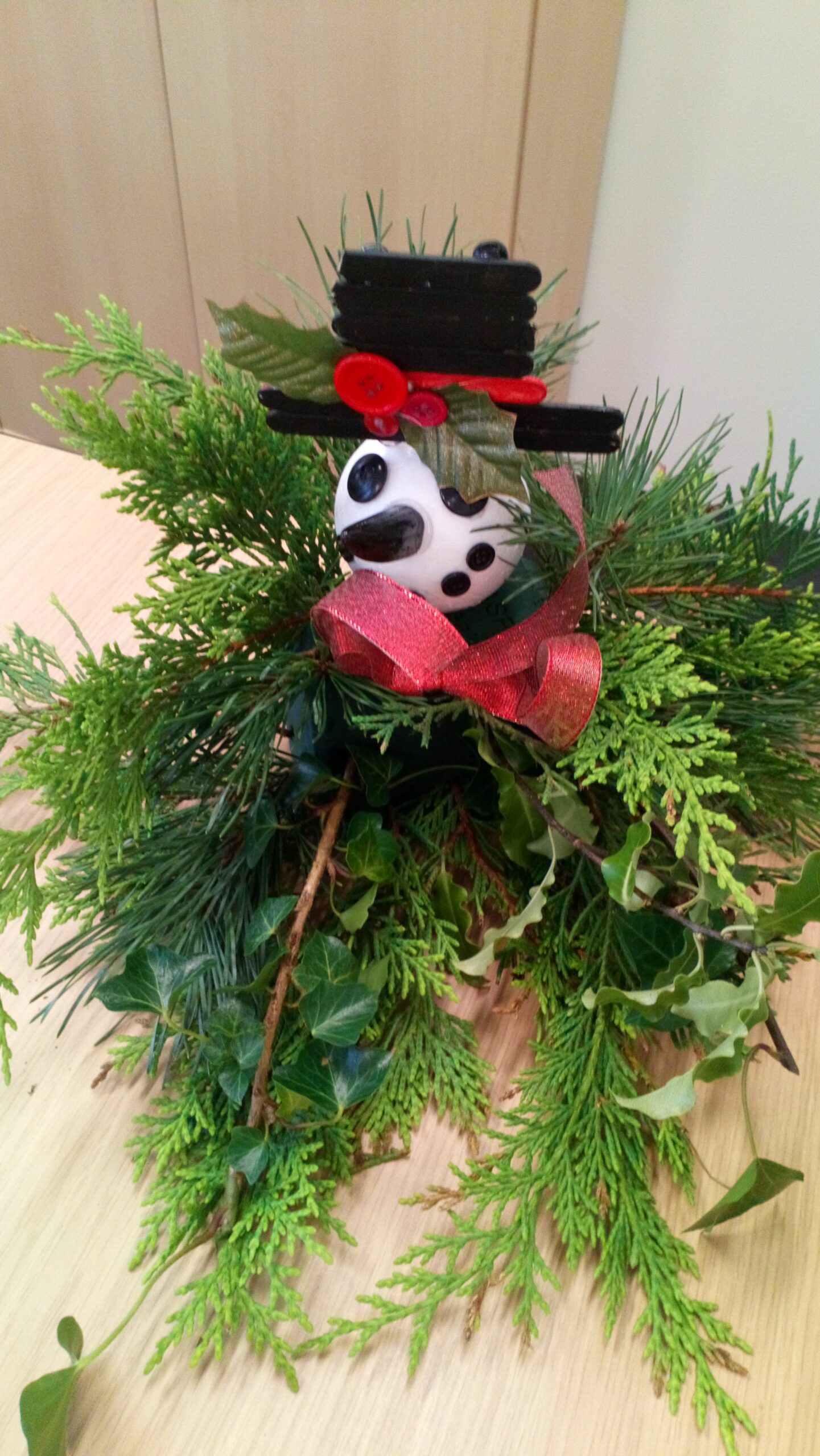
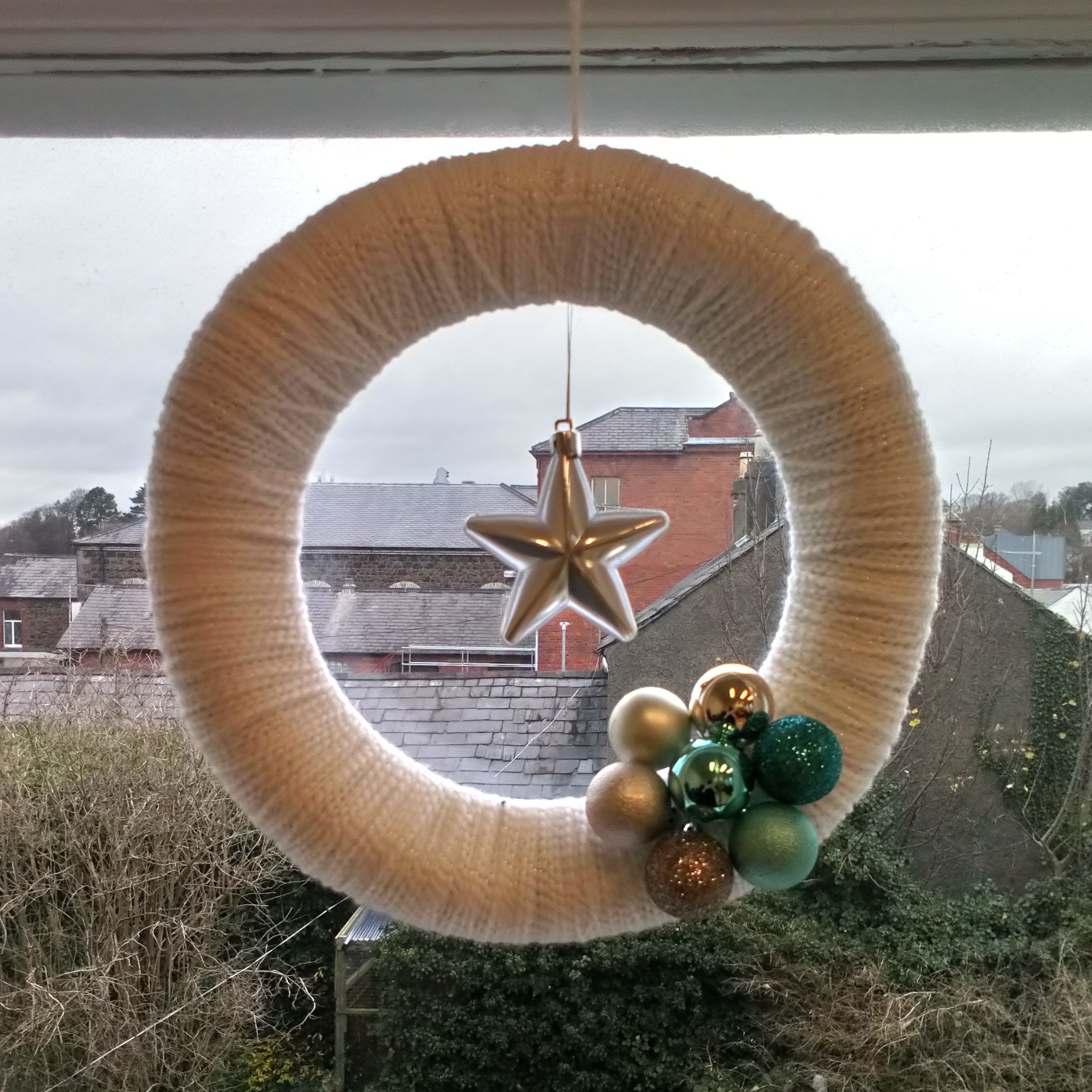
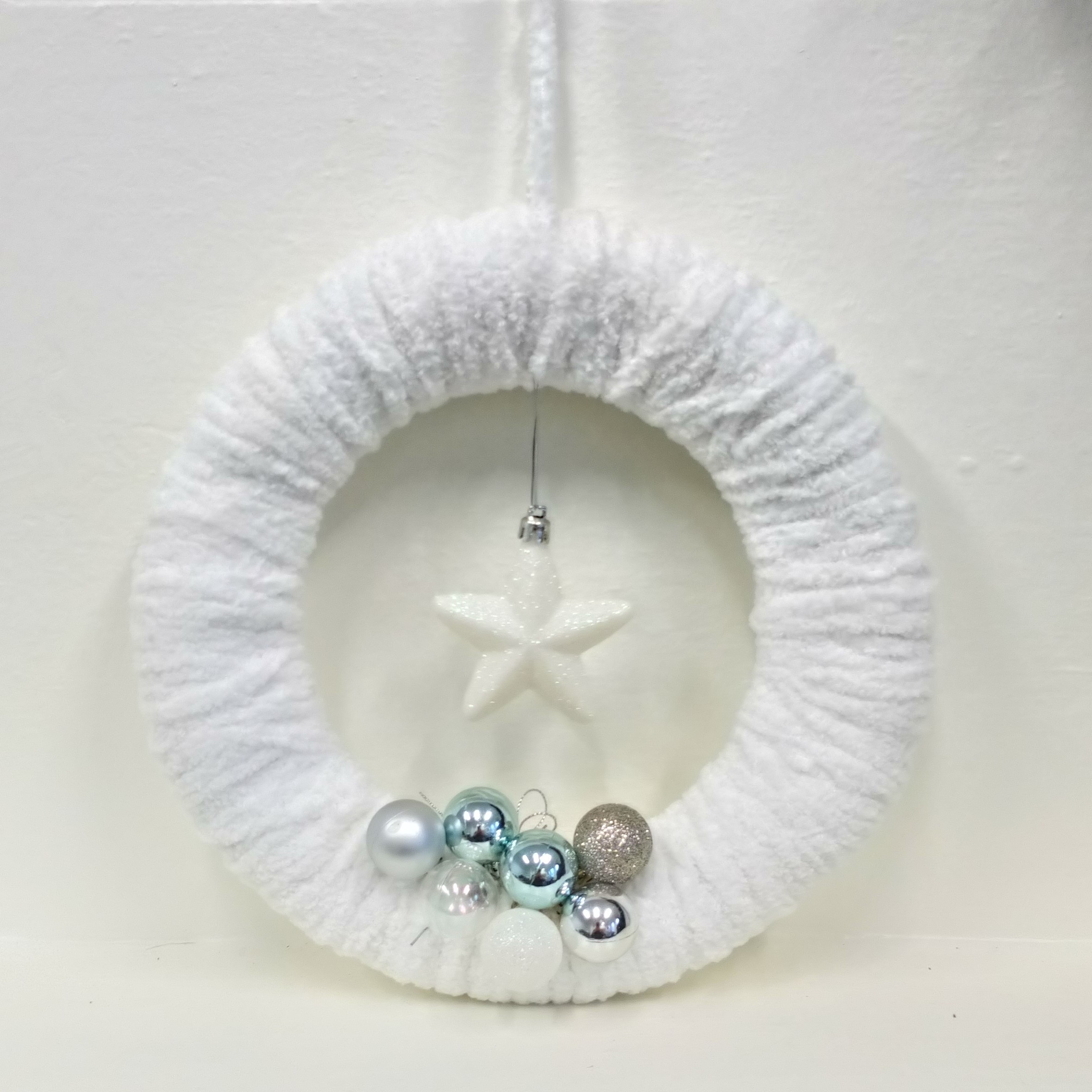
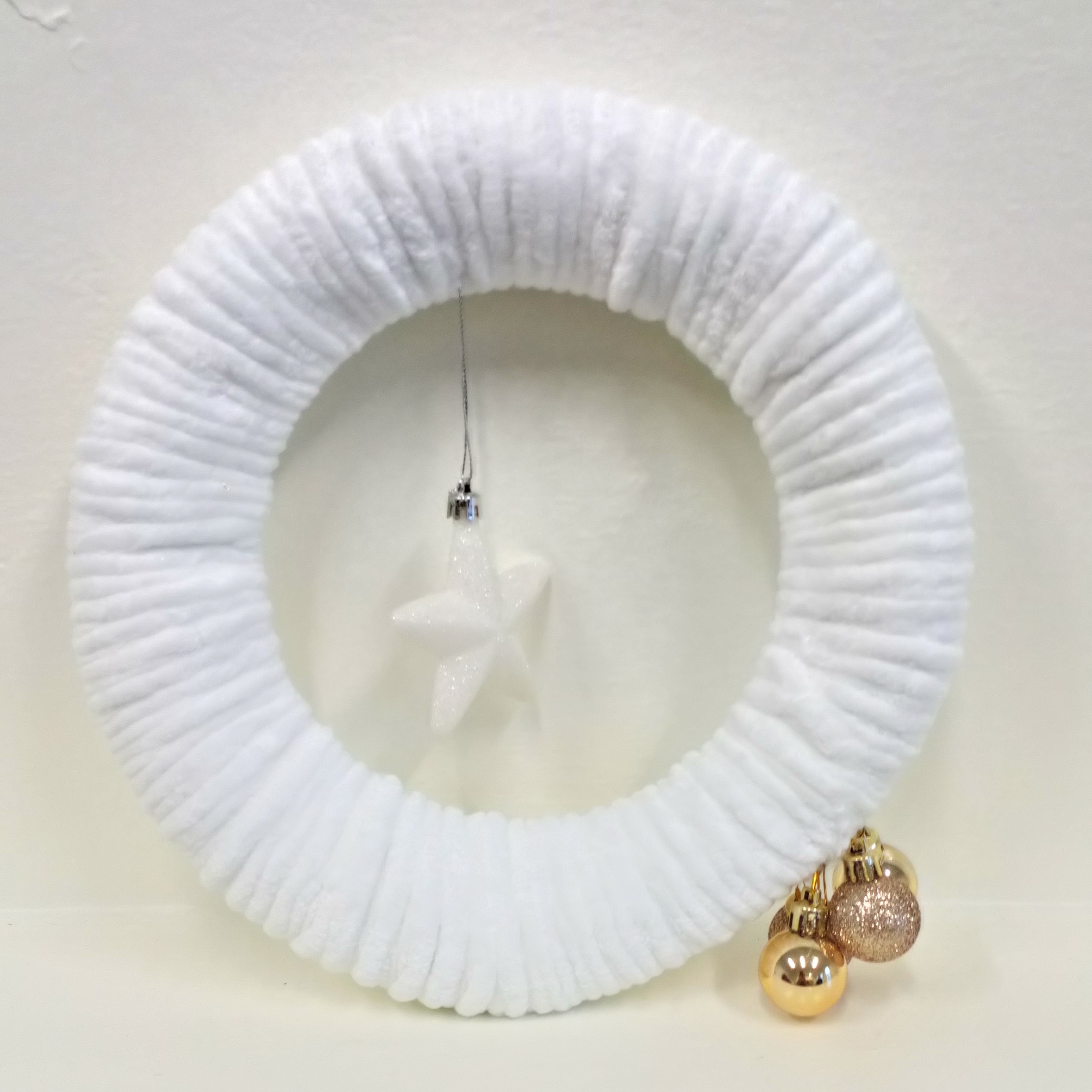
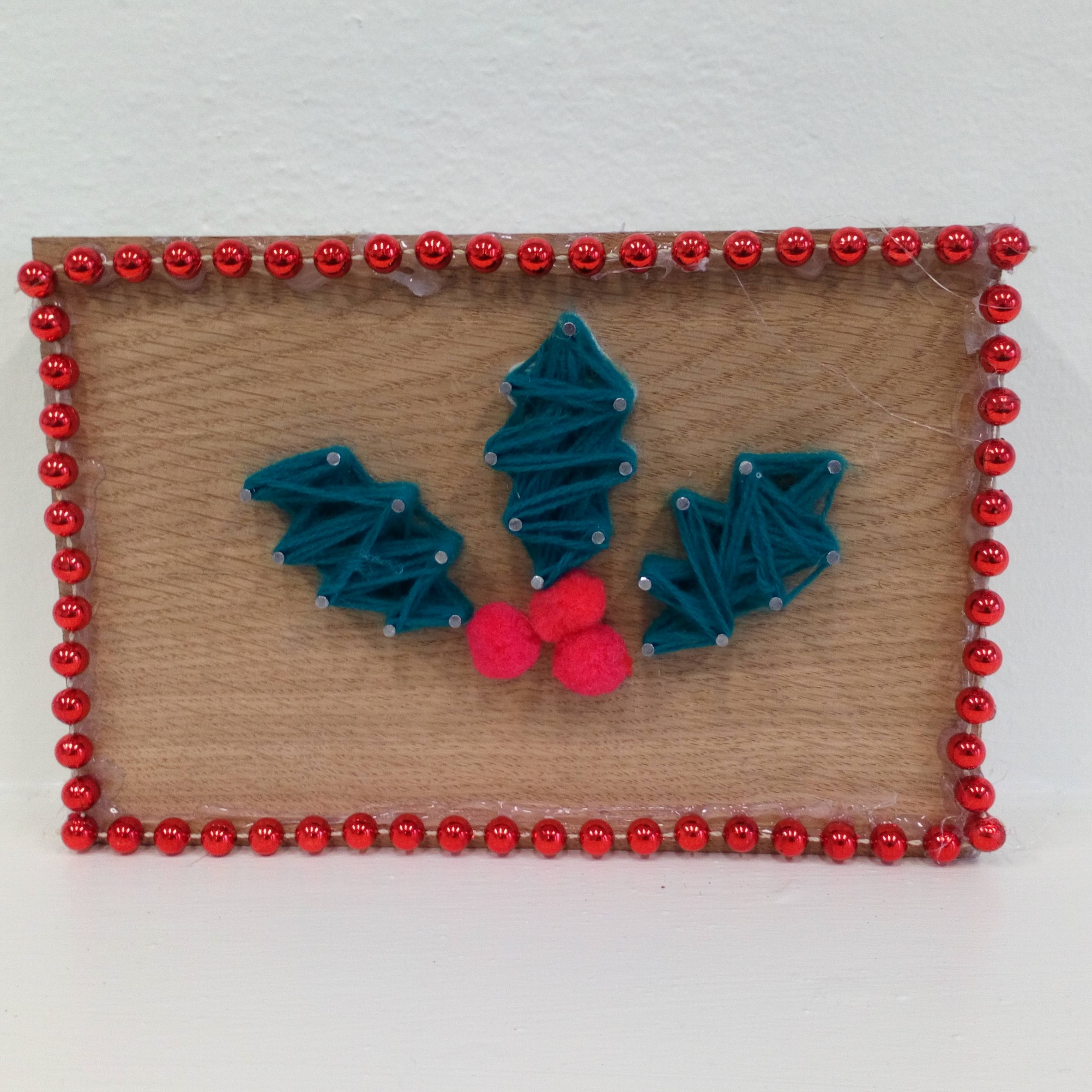
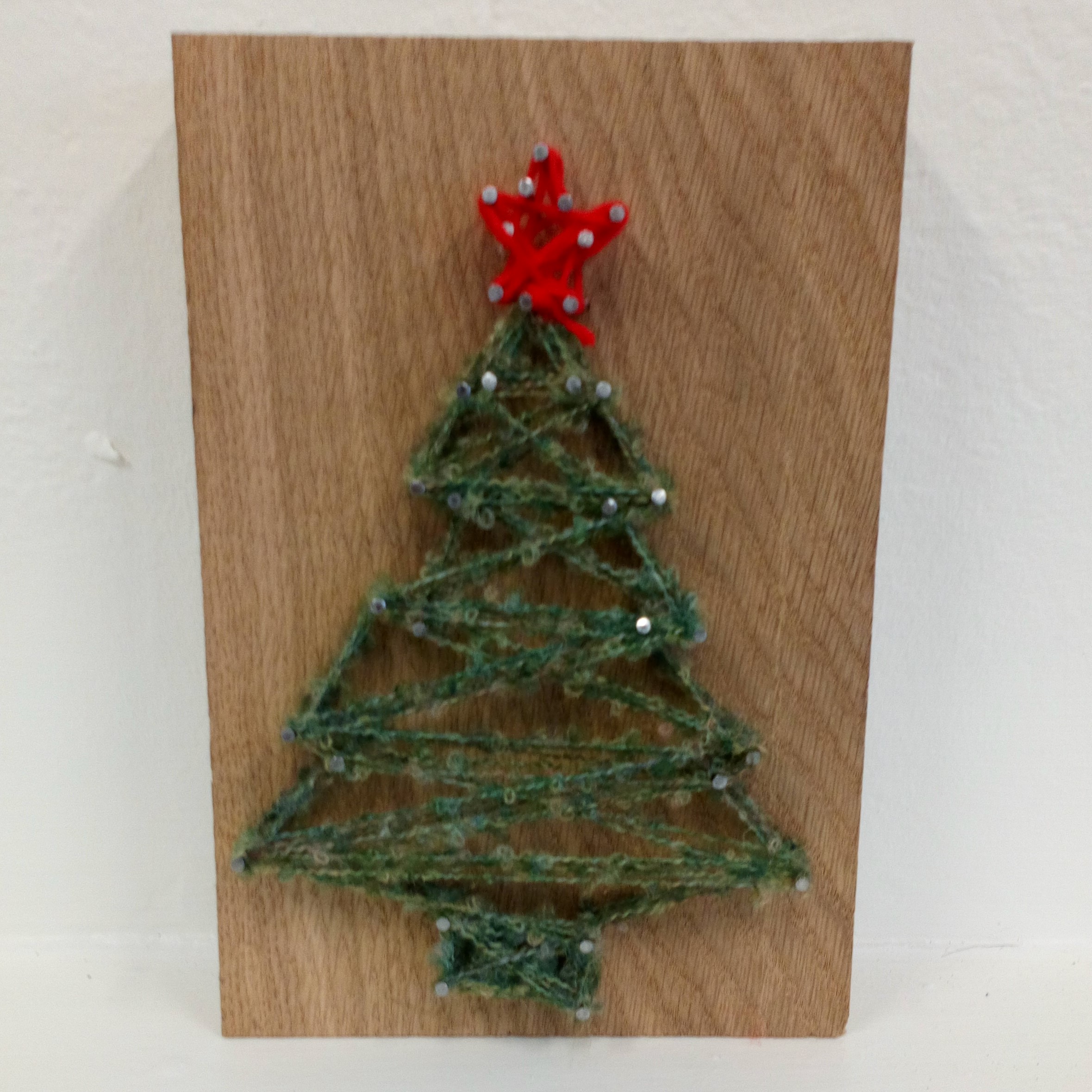
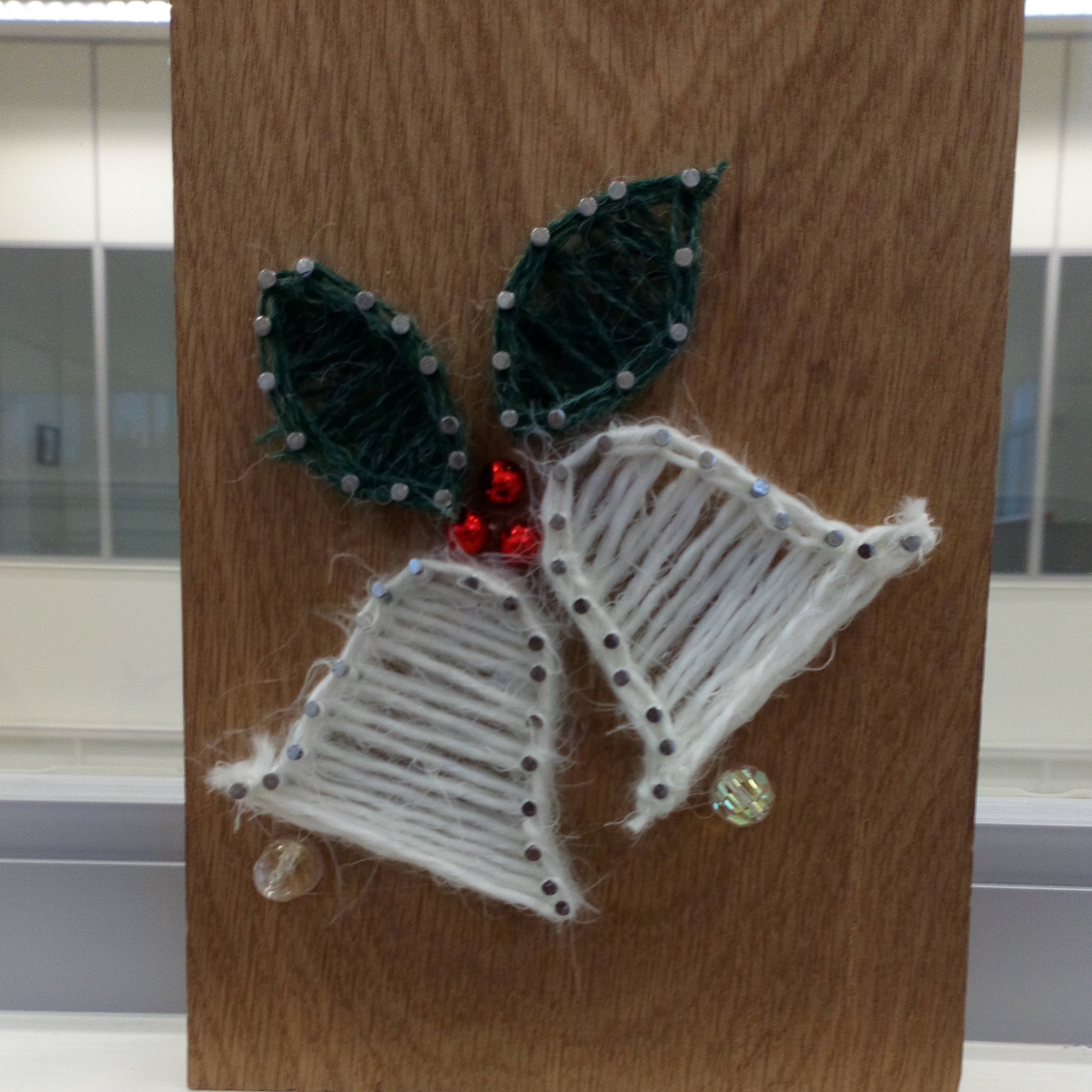
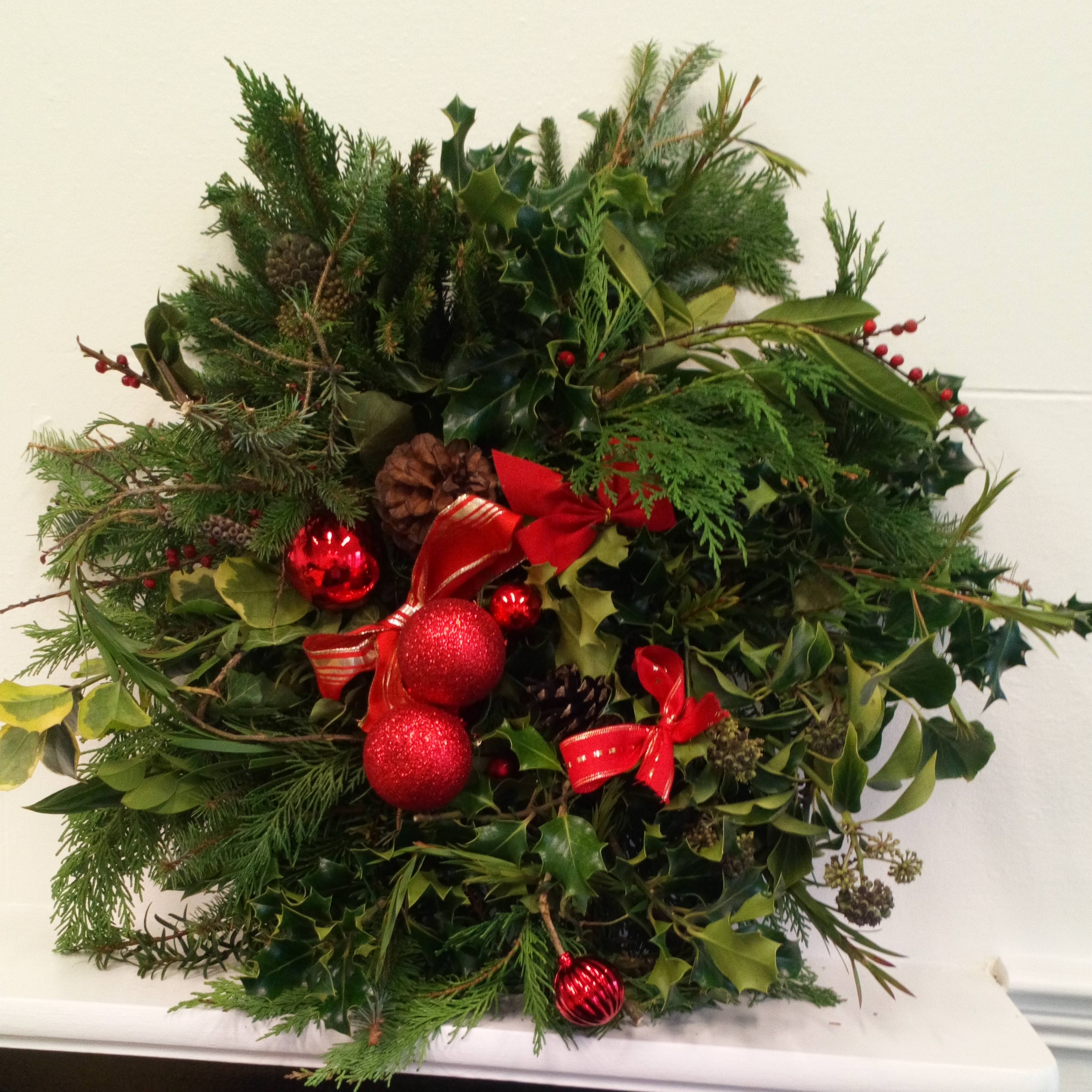
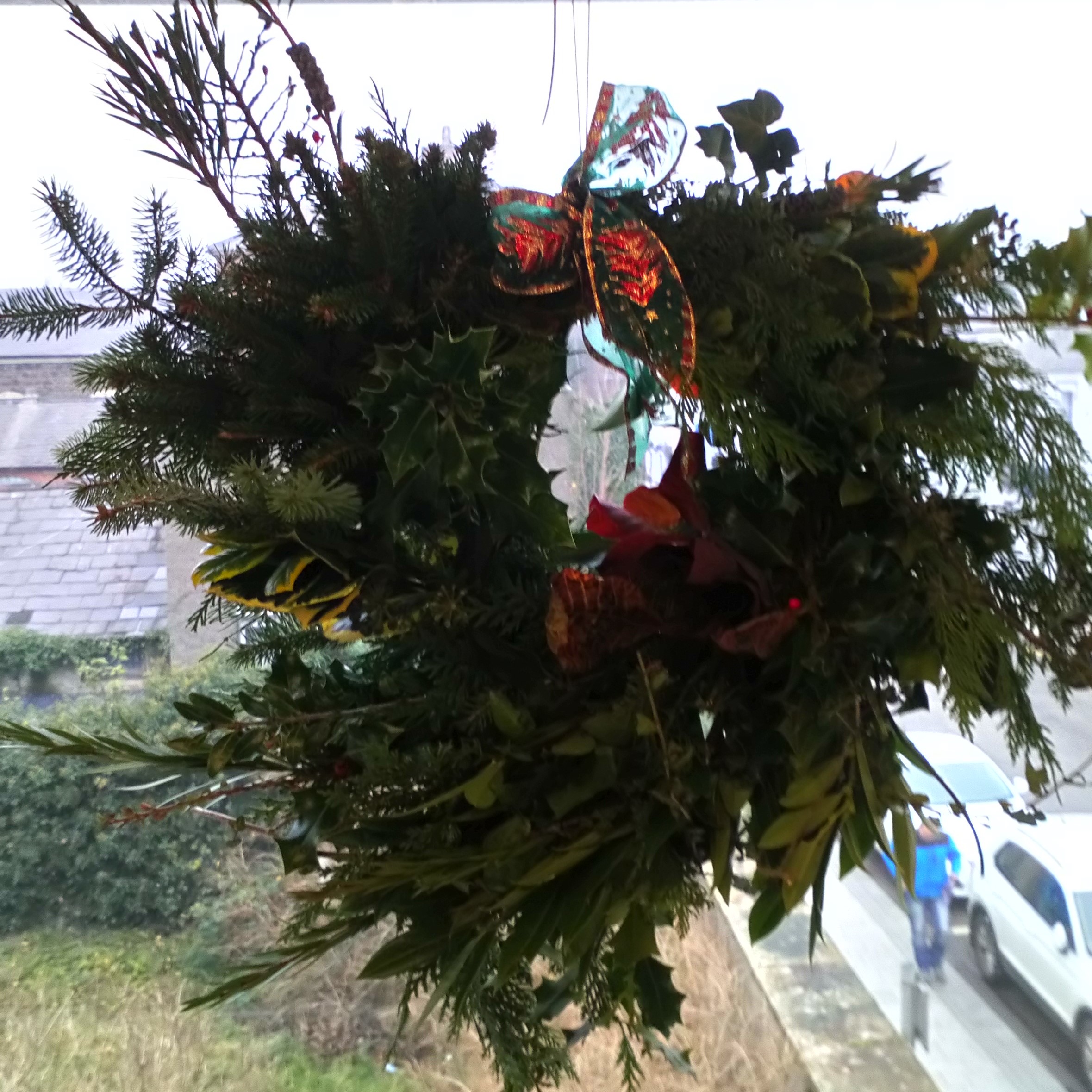
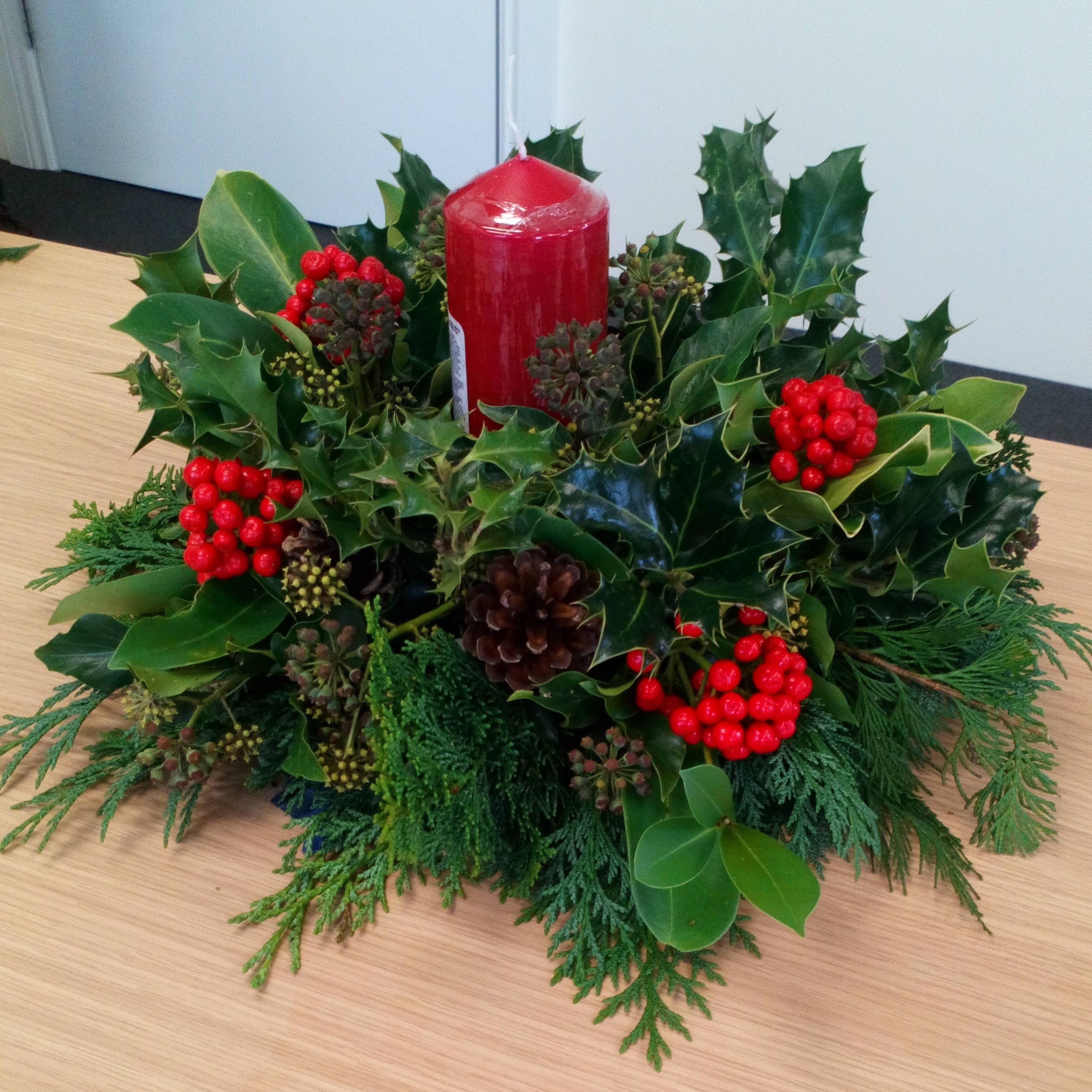
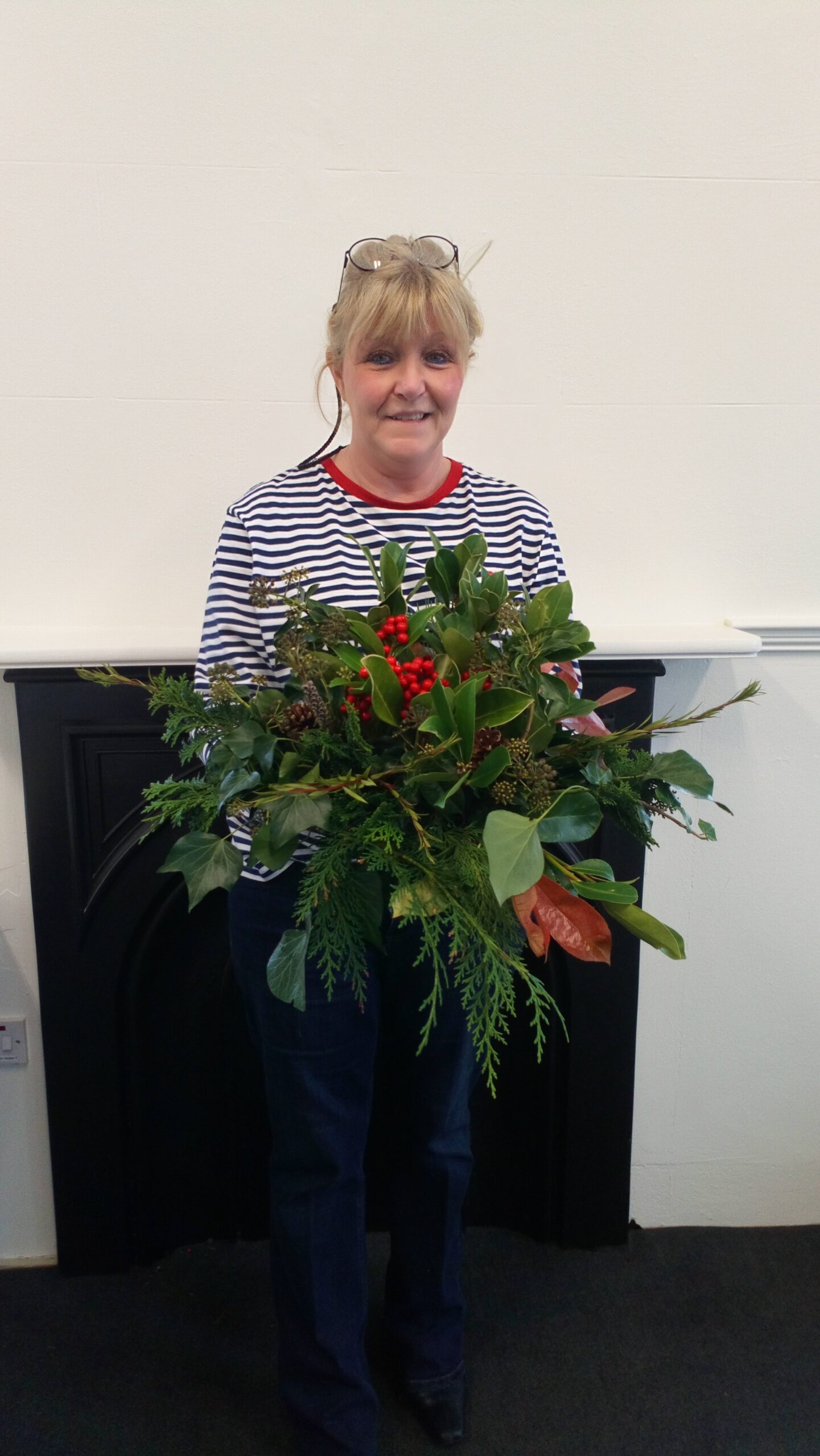
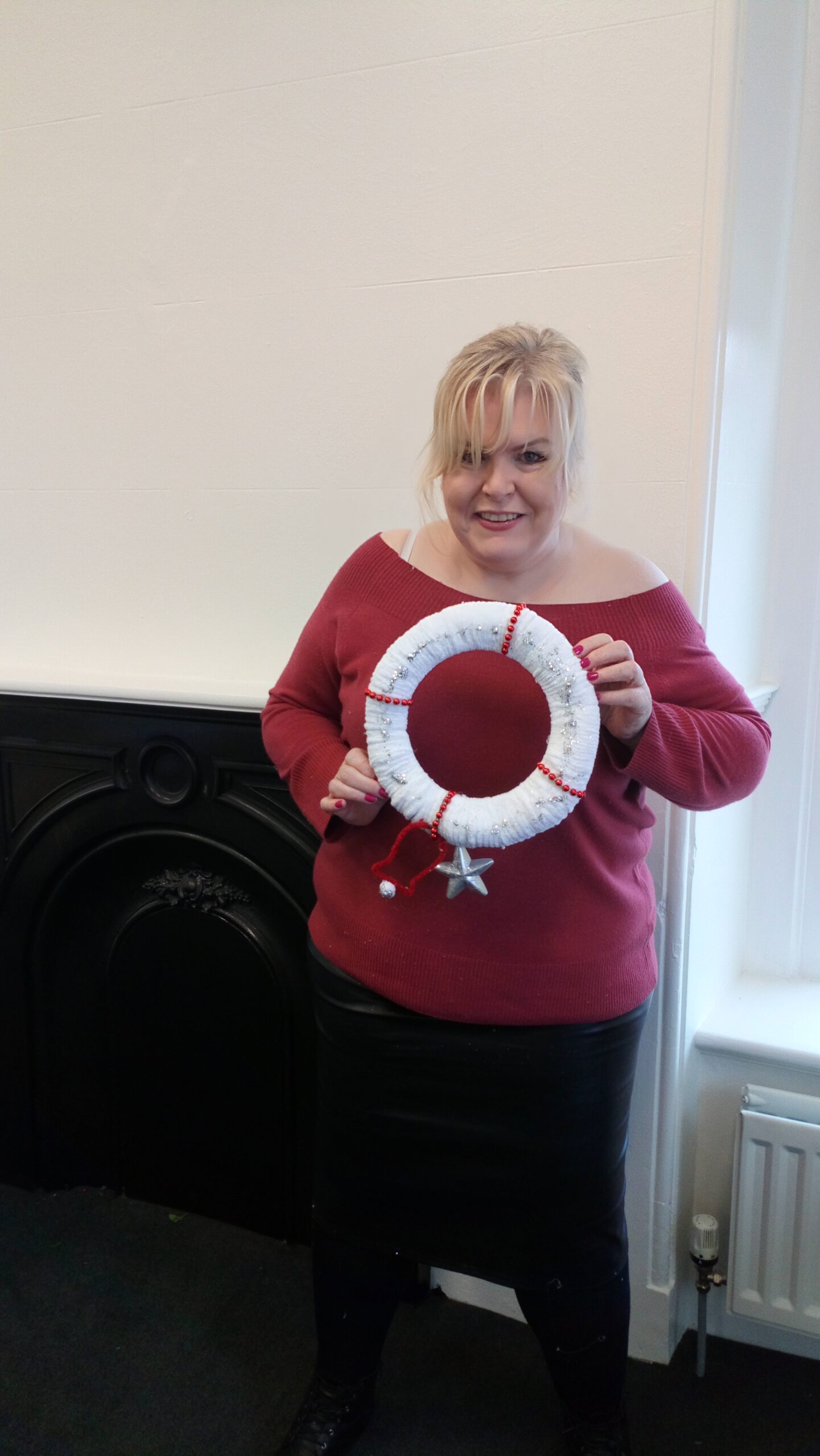
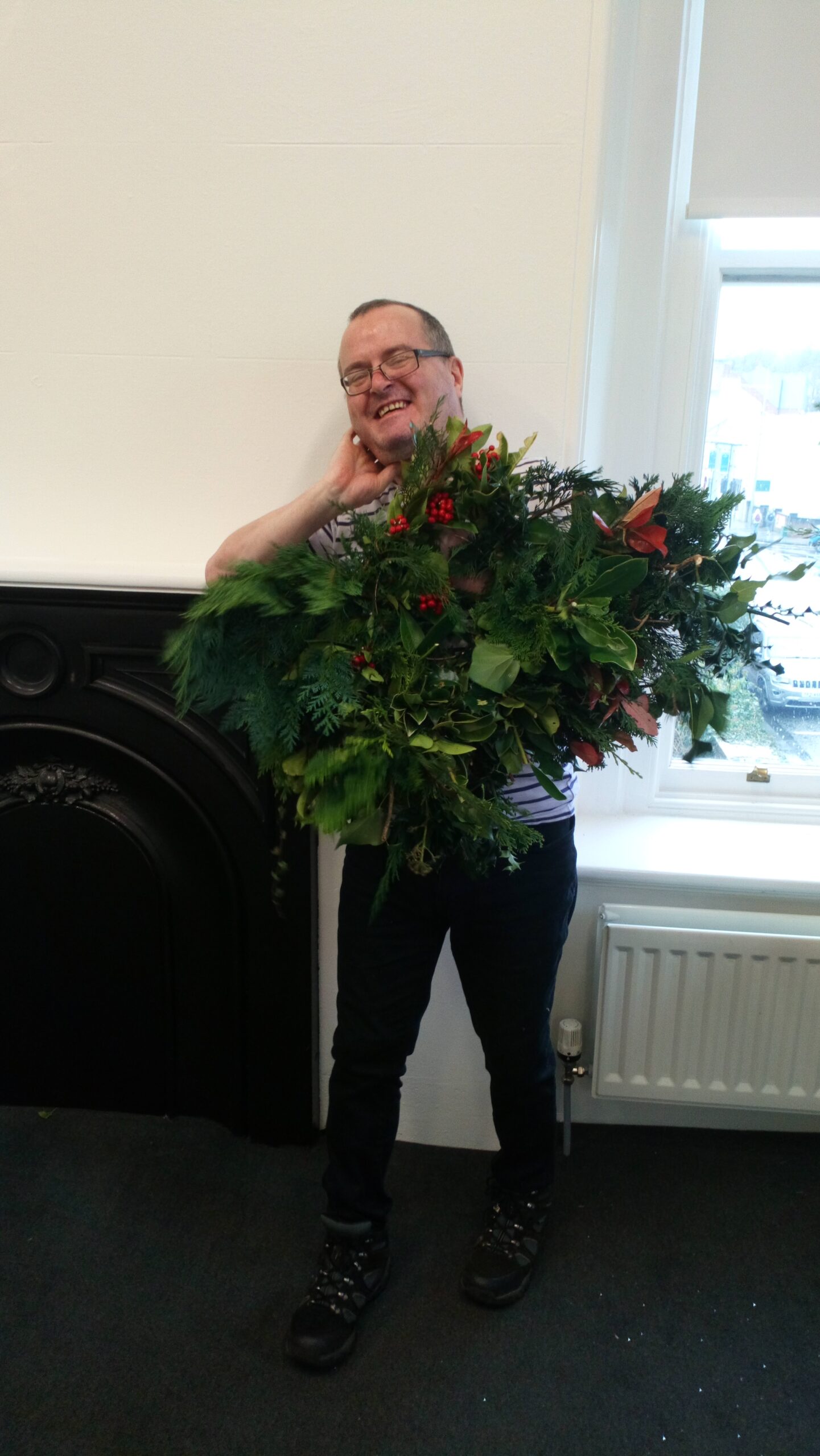
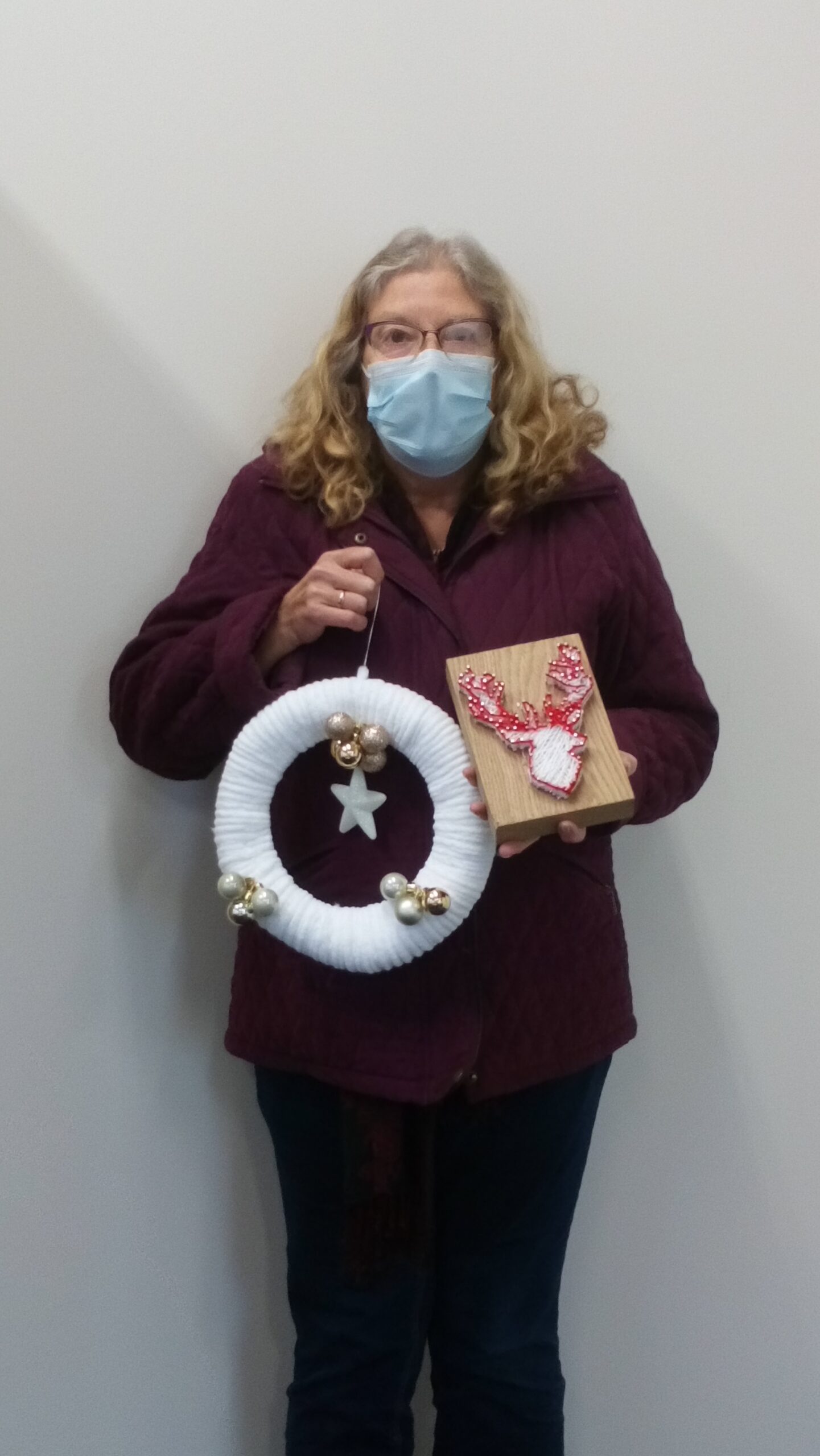
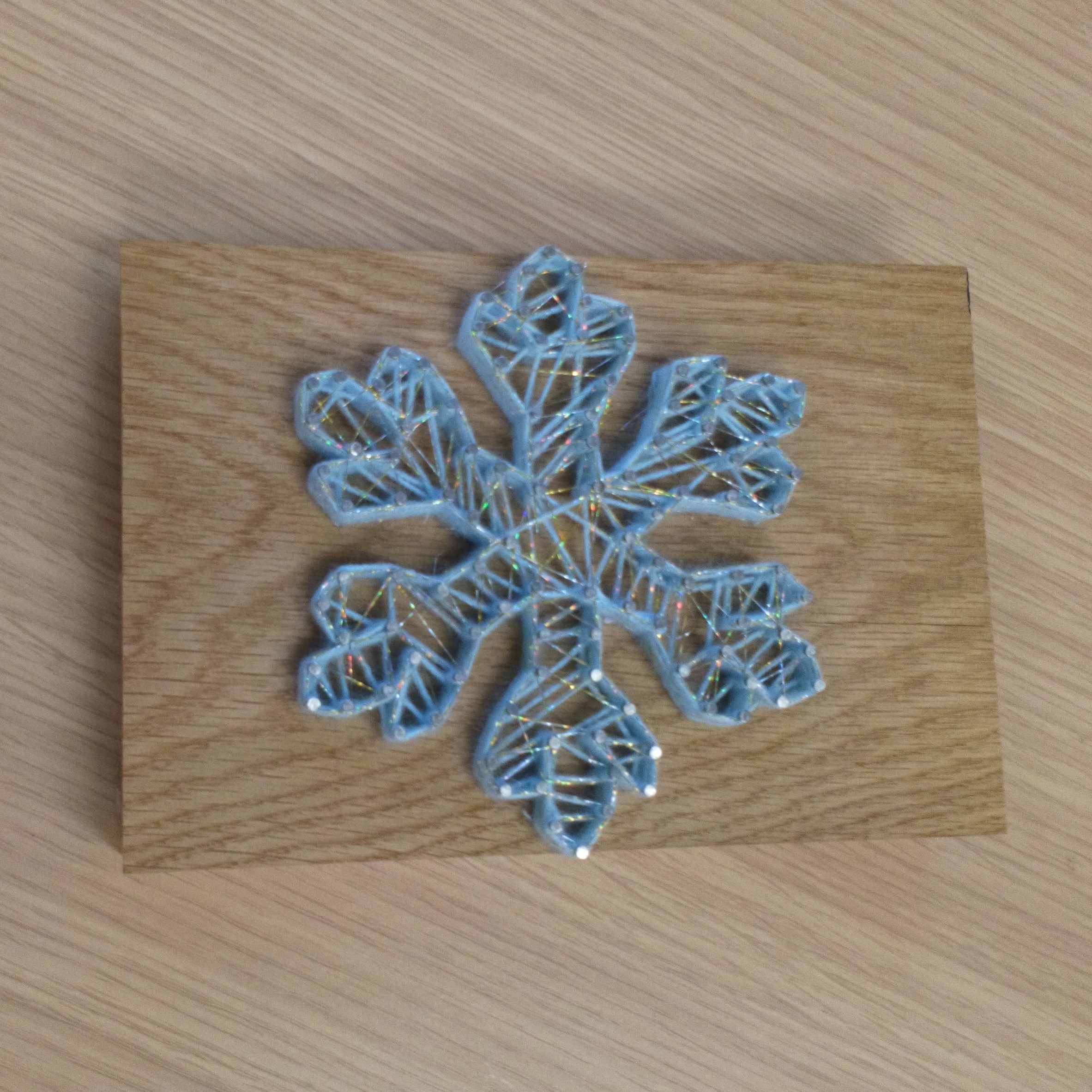
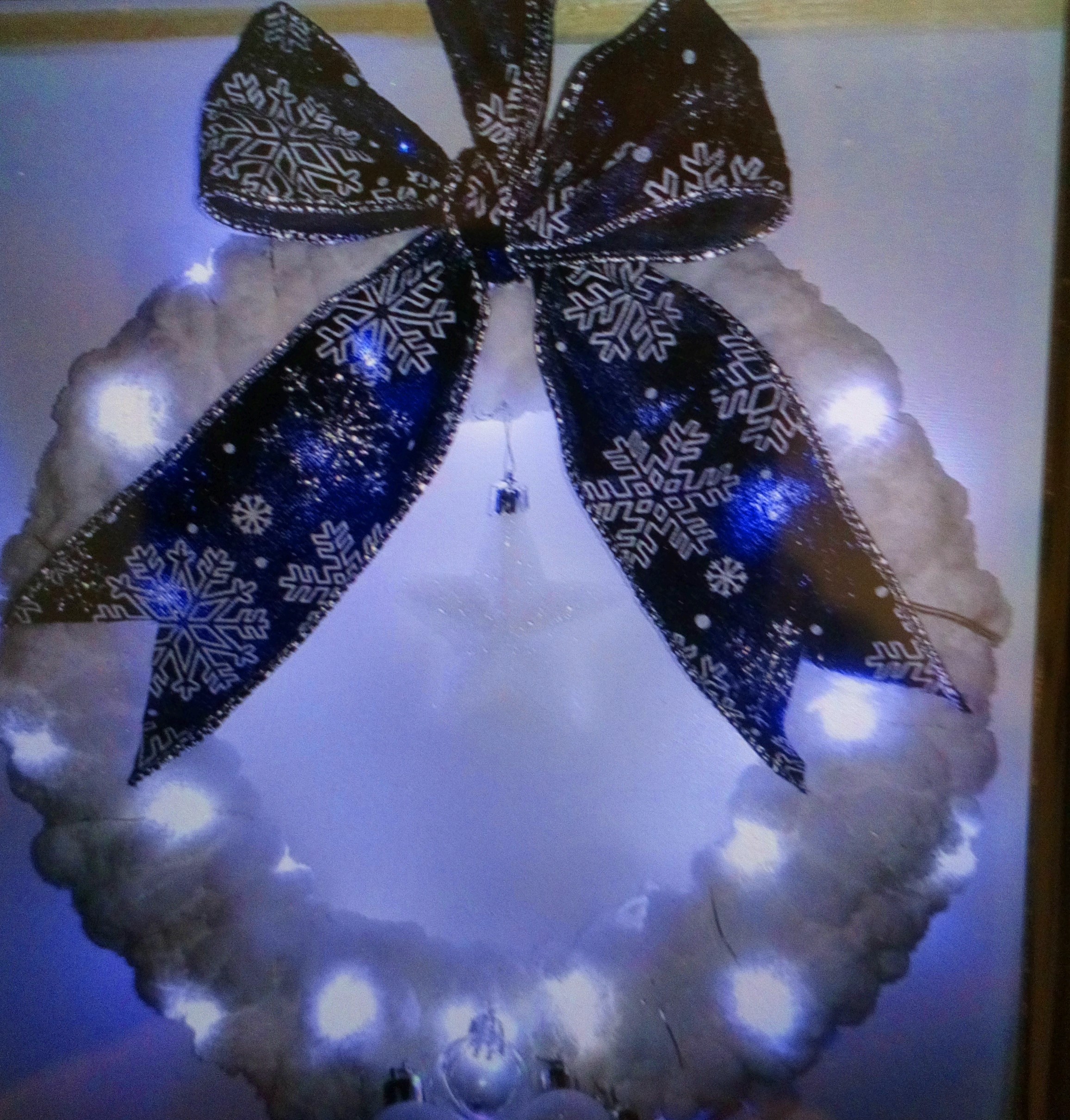
Similarly, clients at AMH New Horizons Lisburn and Antrim have been feeling the soothing effects of hobbies, like arts and crafts, and reaping the rewards by producing the amazing array of the crafts photographed.
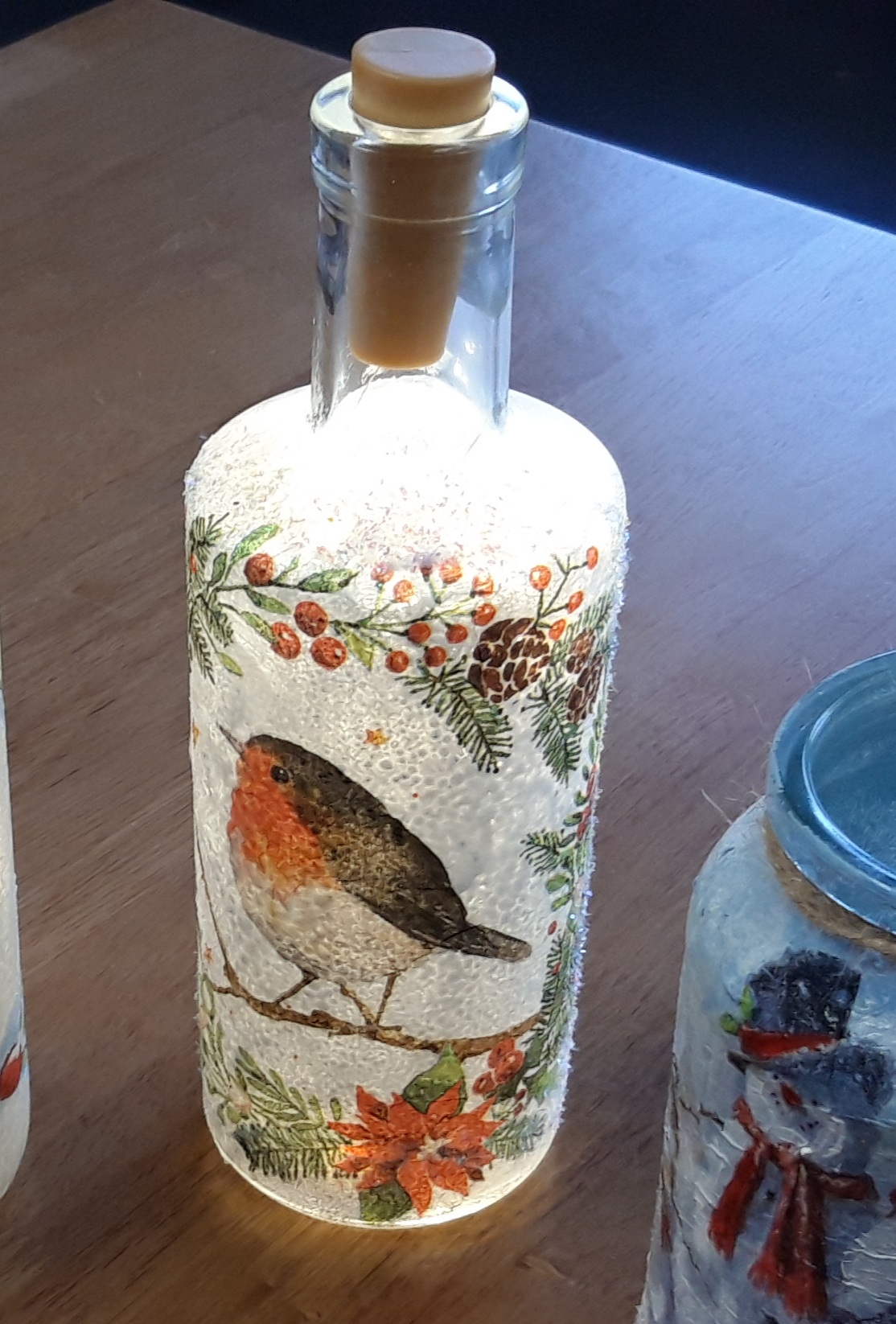
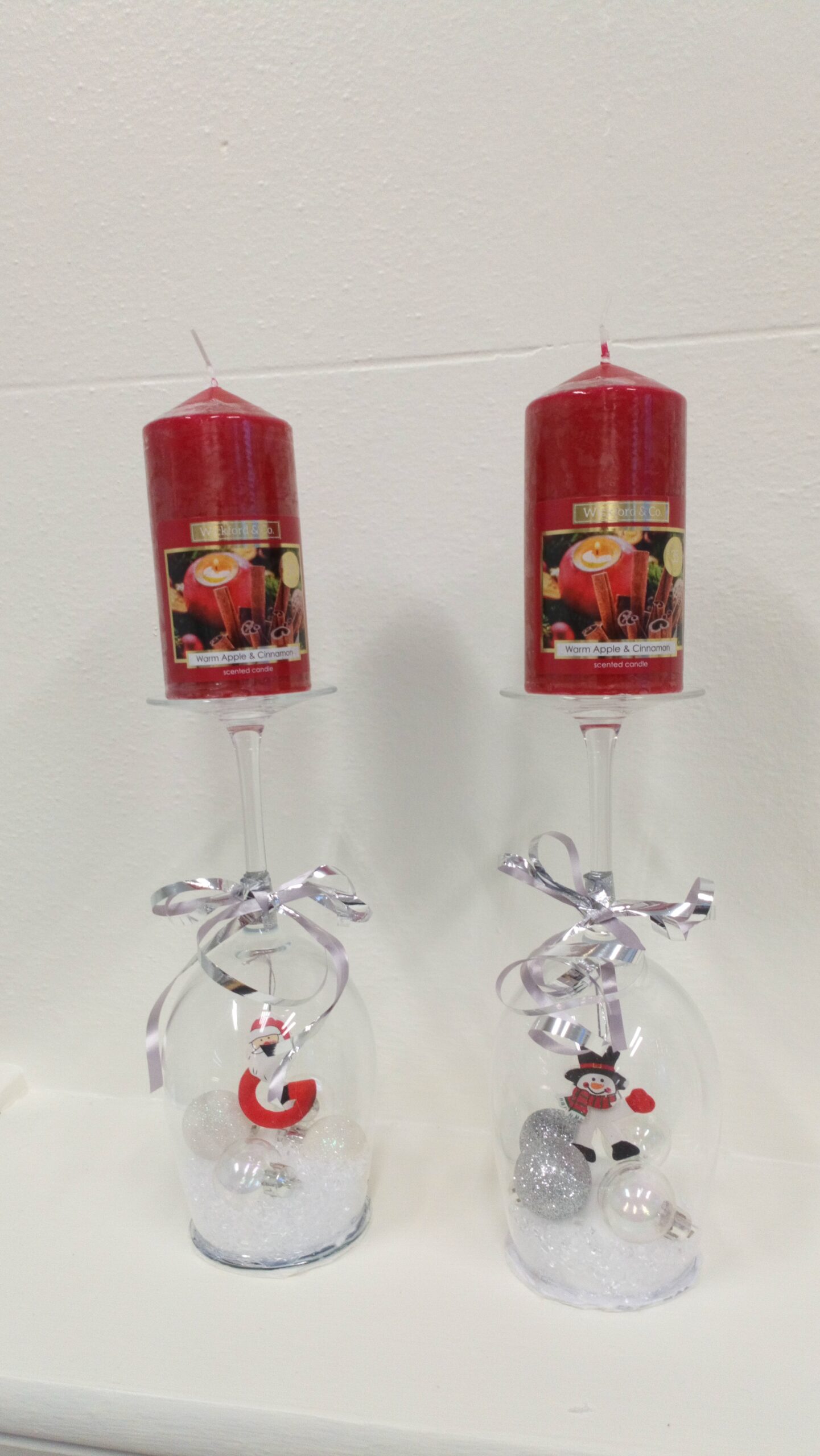
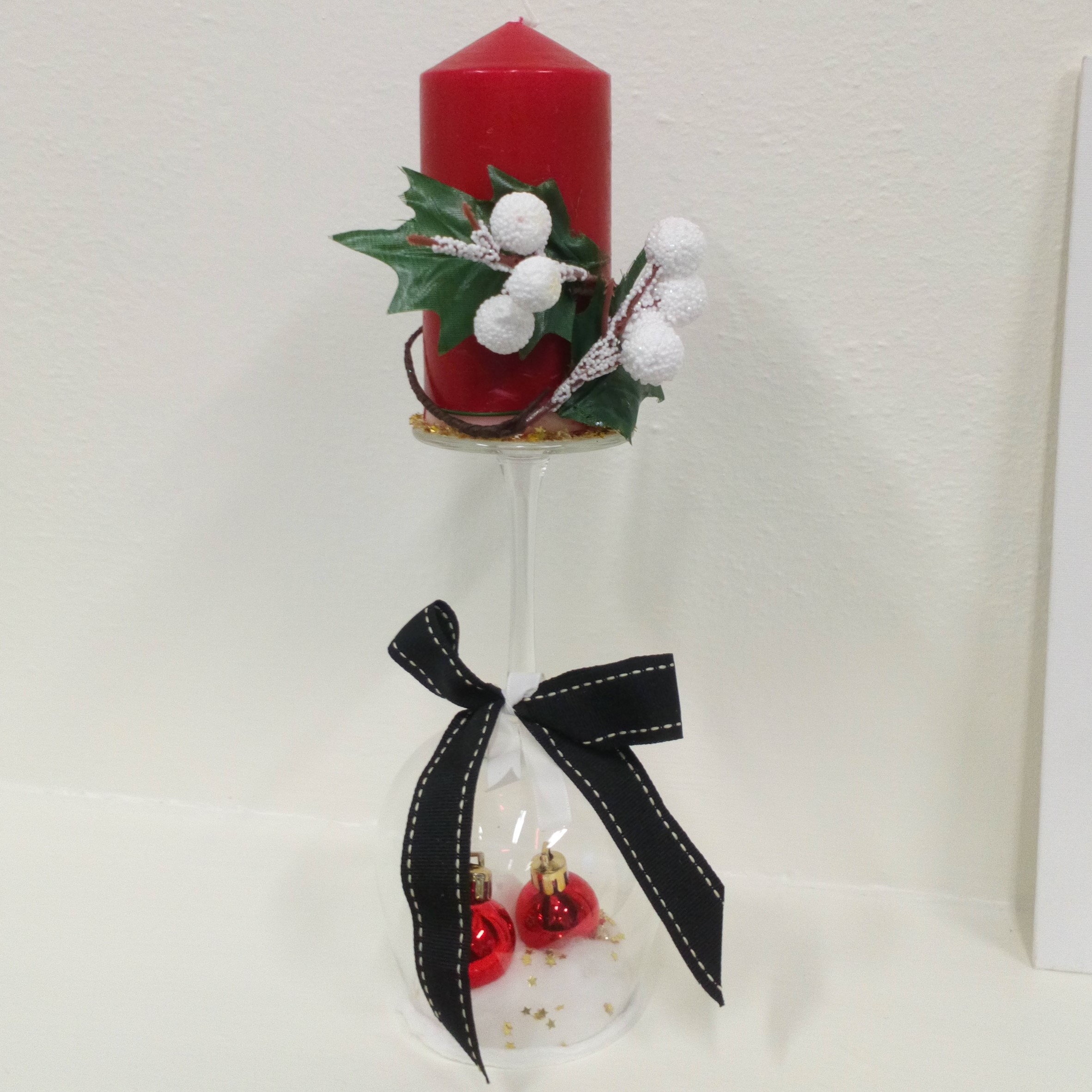
AMH New Horizons Antrim have been learning the art of felting and making Snowperson Christmas wreaths. They have also been making Christmas Bottle Lights!
AMH New Horizons in Lisburn have been having a lot of creative fun this festive season and have been learning a range of new skills – the results are wonderful!
Clients from AMH Newry, Lisburn & Antrim are taking part in the Working it Out Projects which is part-funded through the NI European Social Fund Programme 2014-2020 and the Department for the Economy.
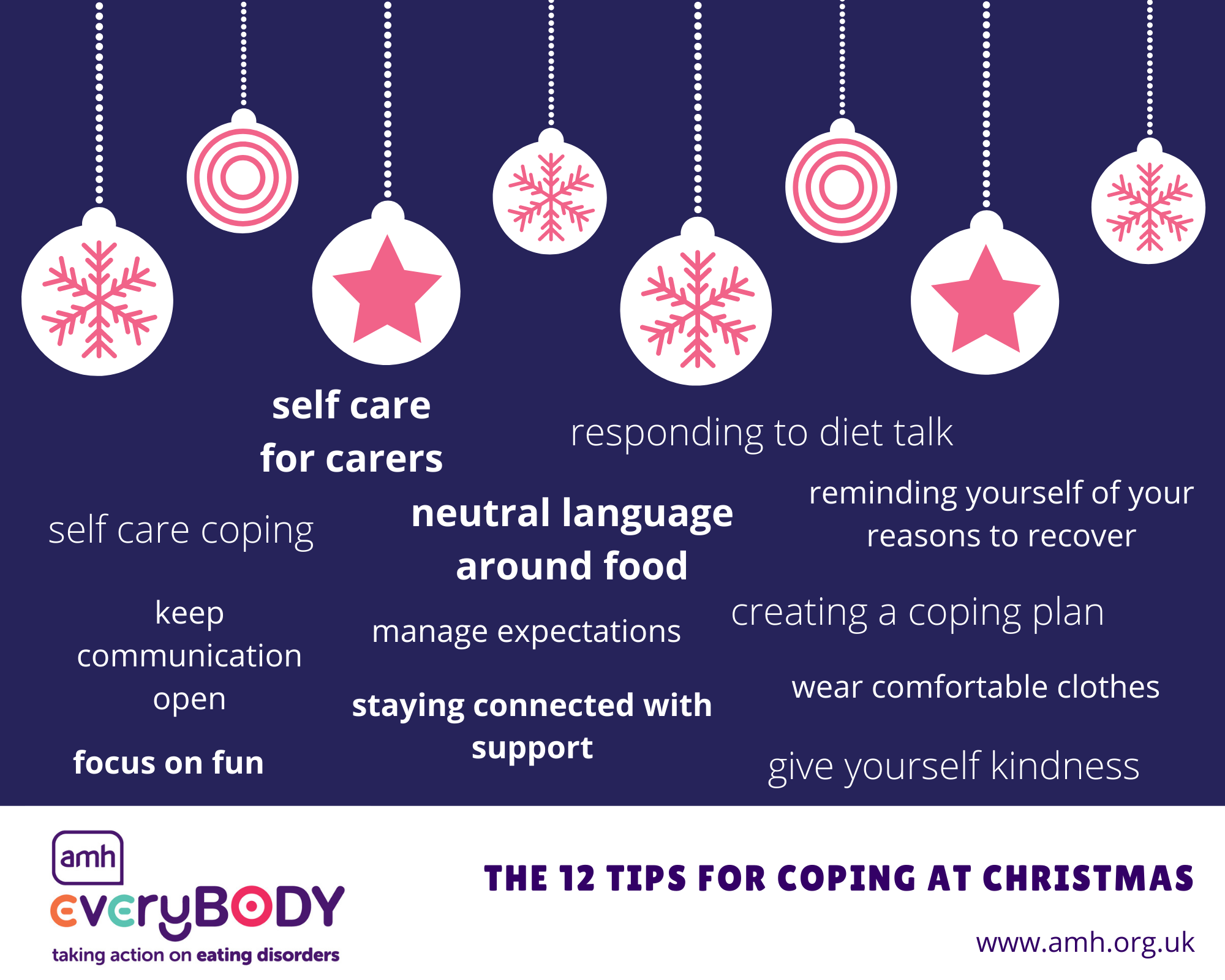
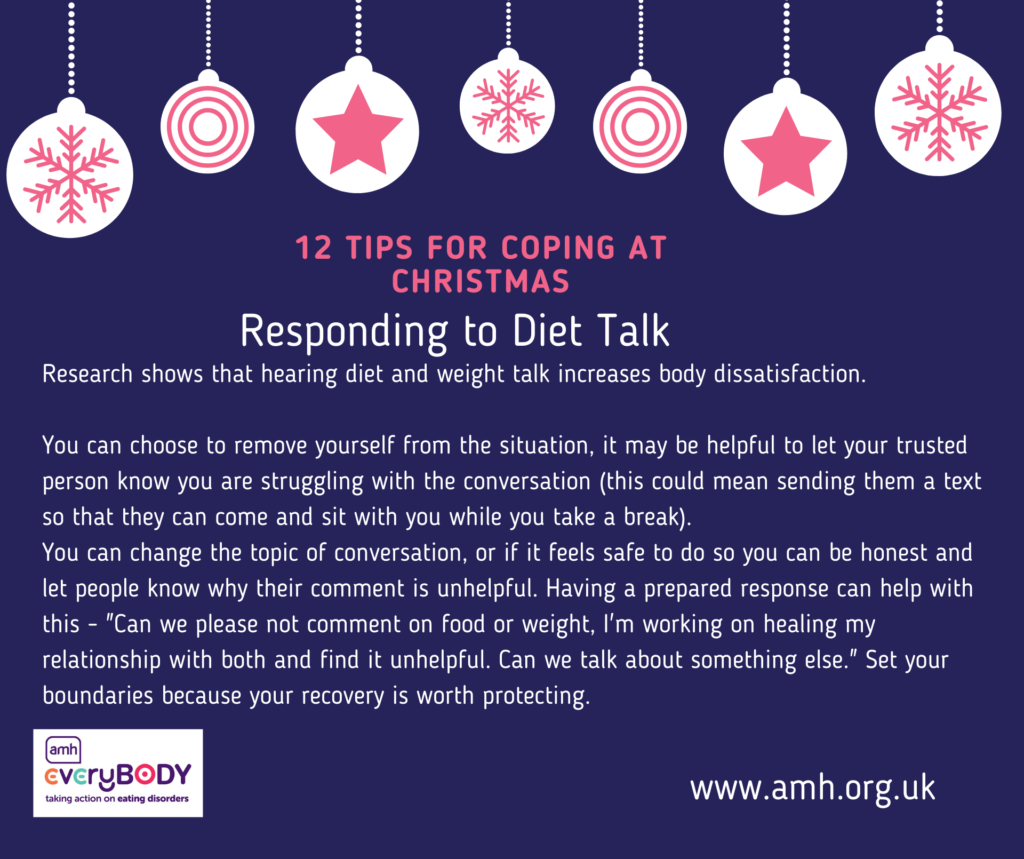
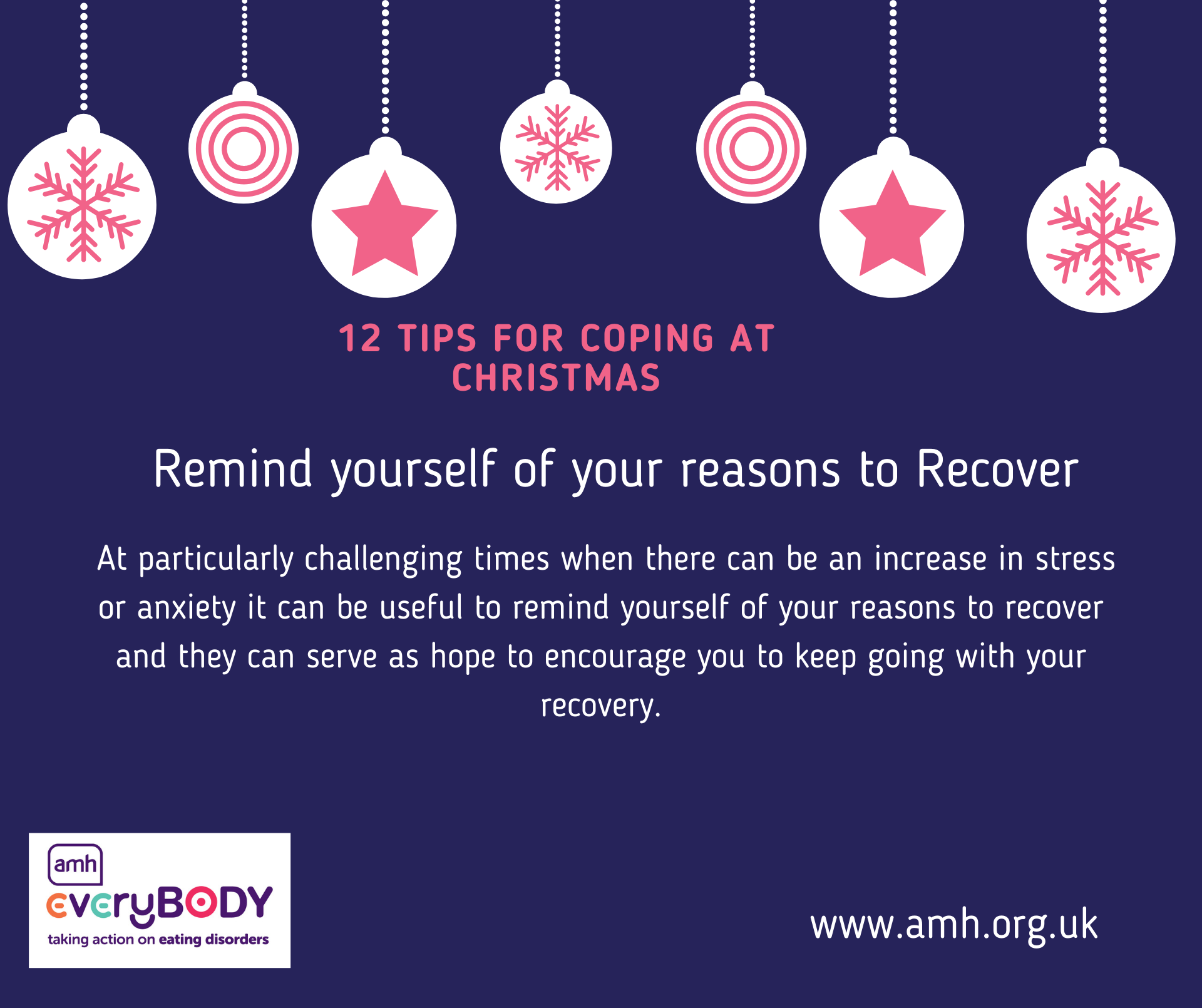
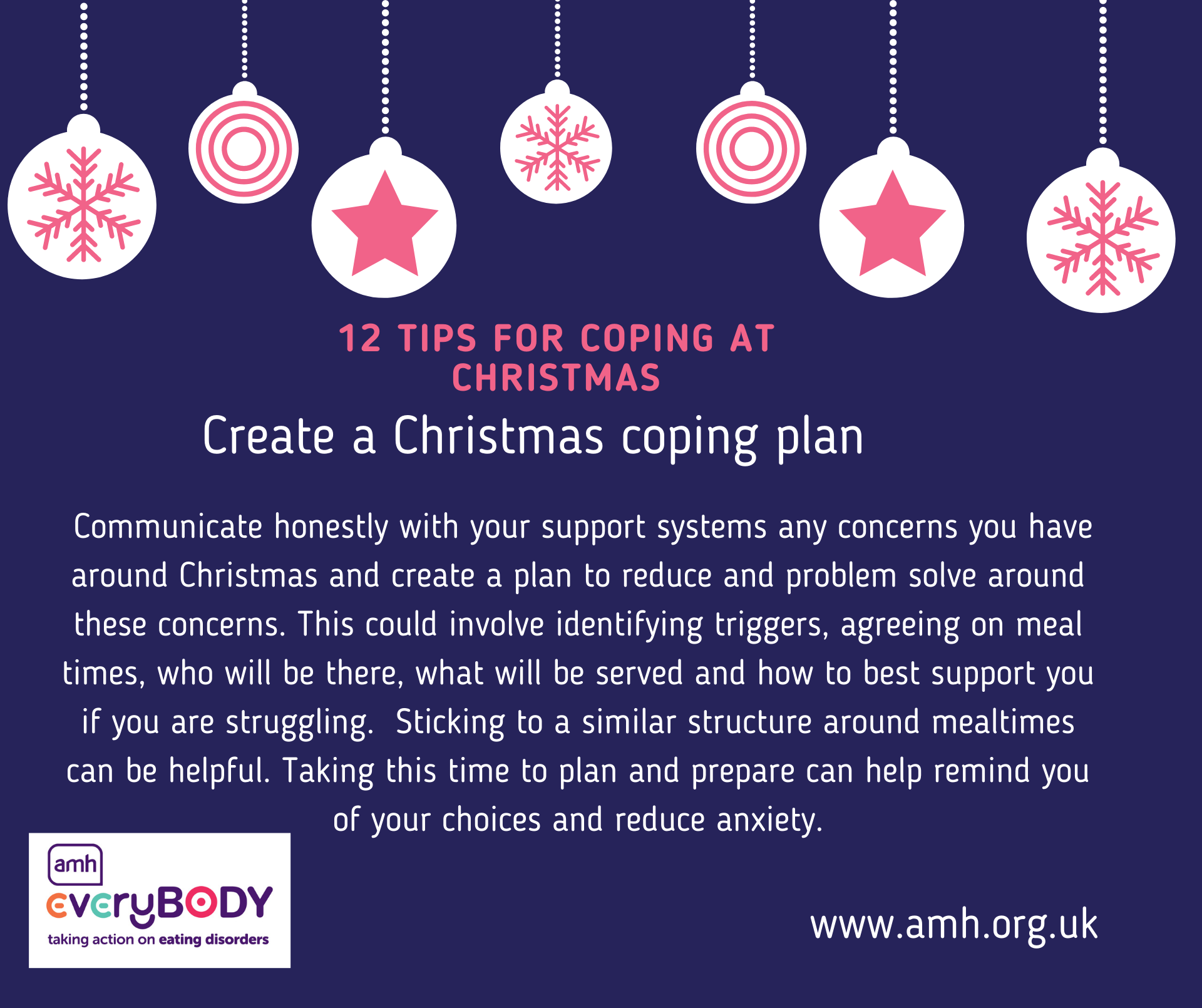
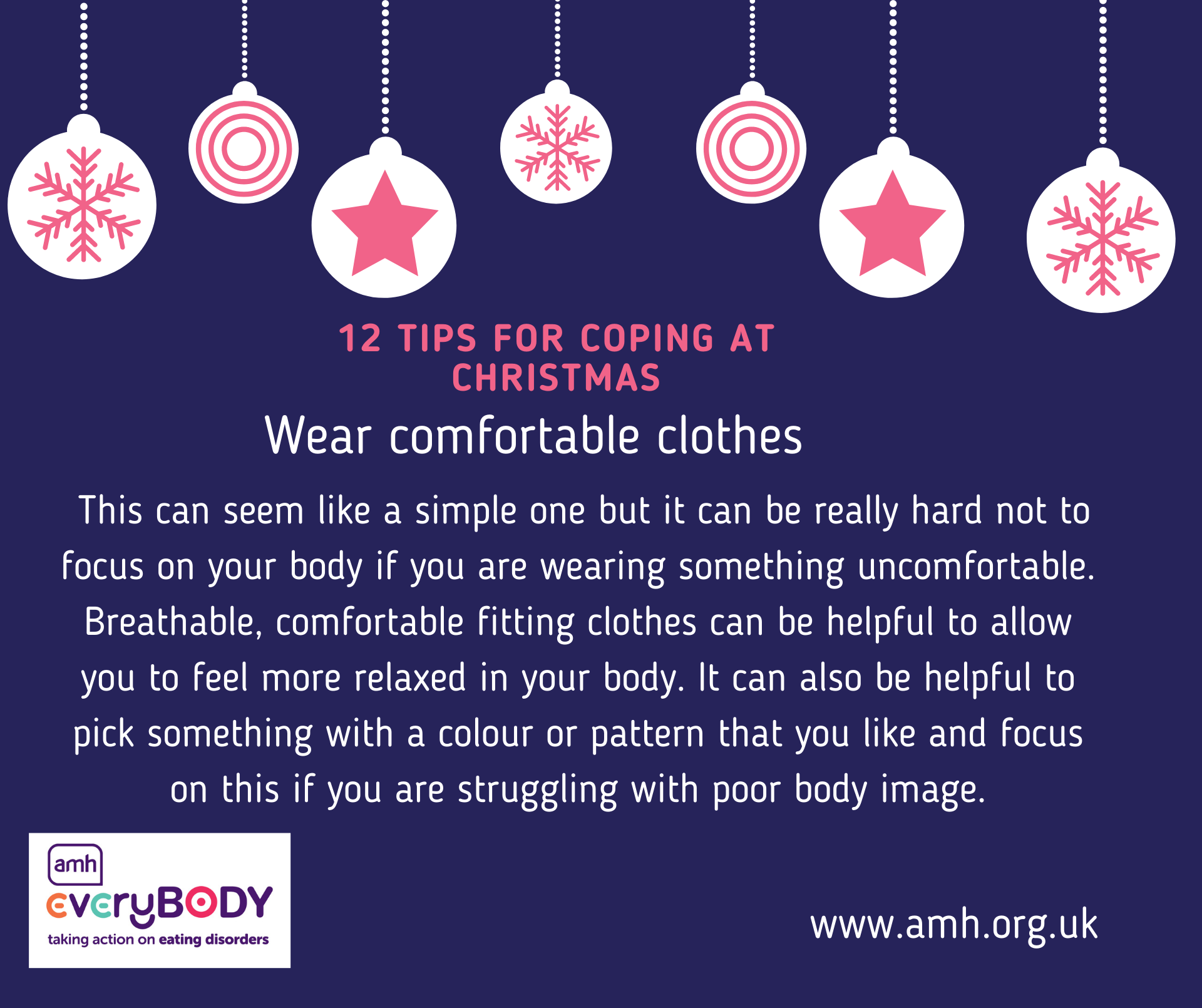
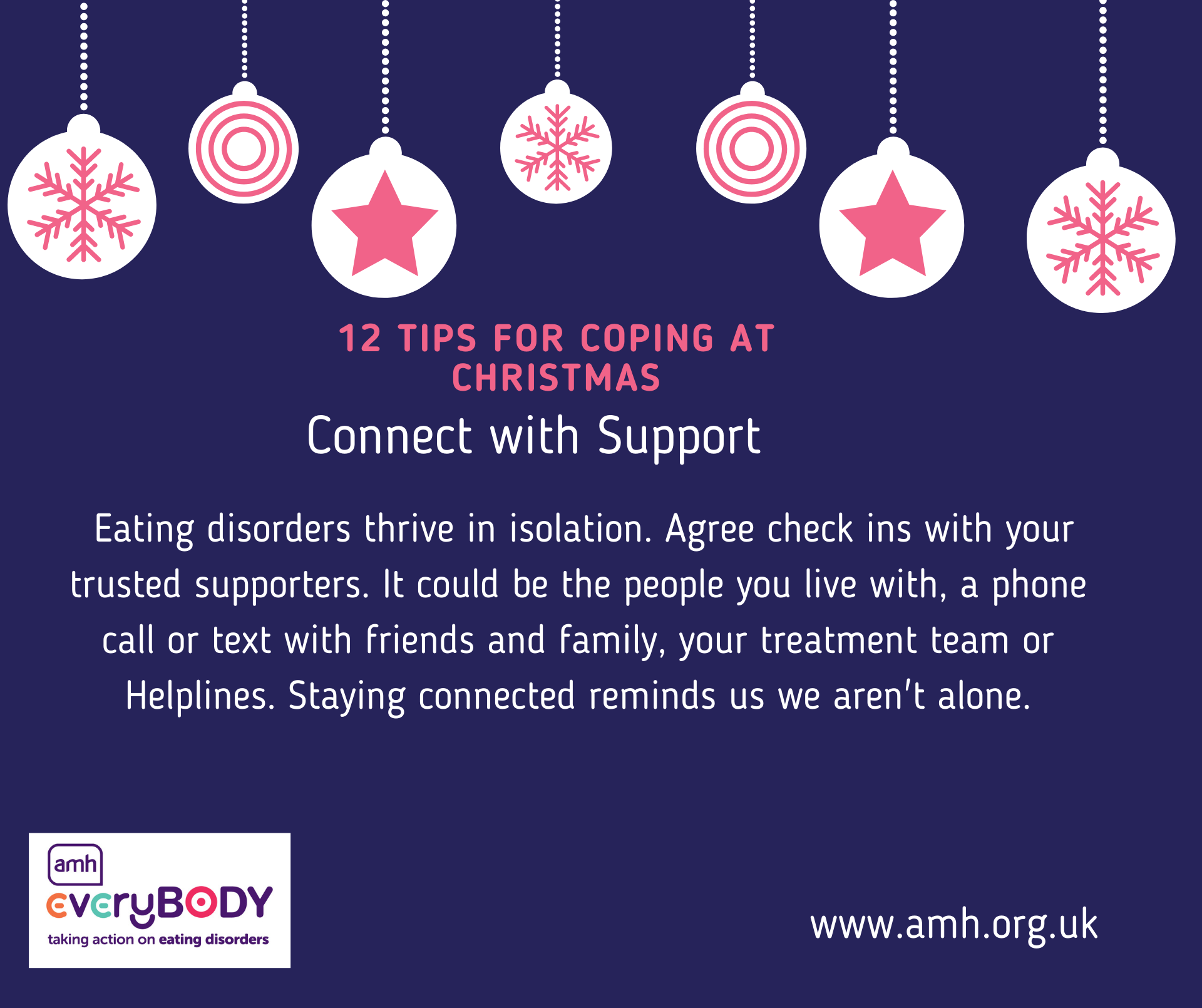
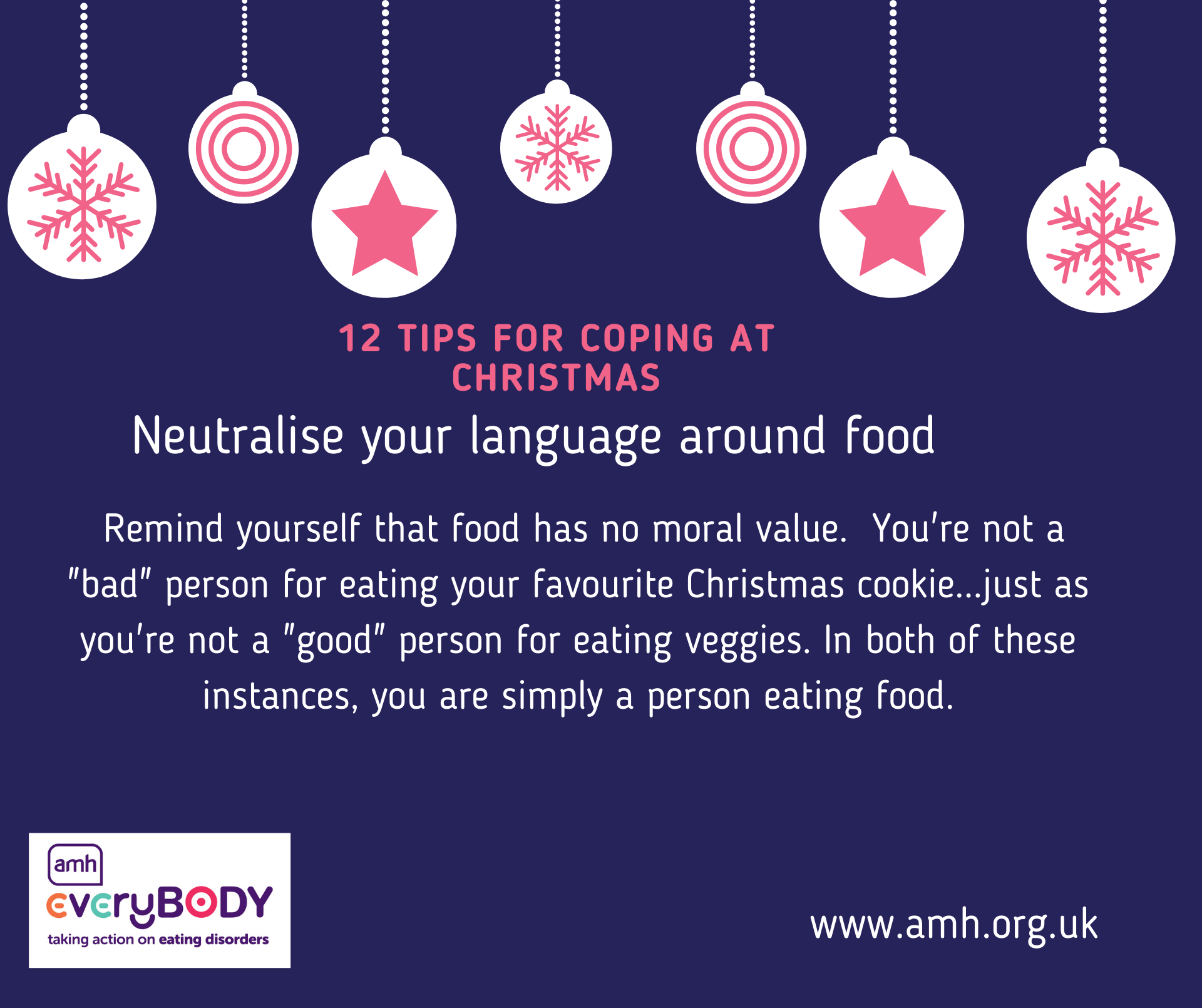
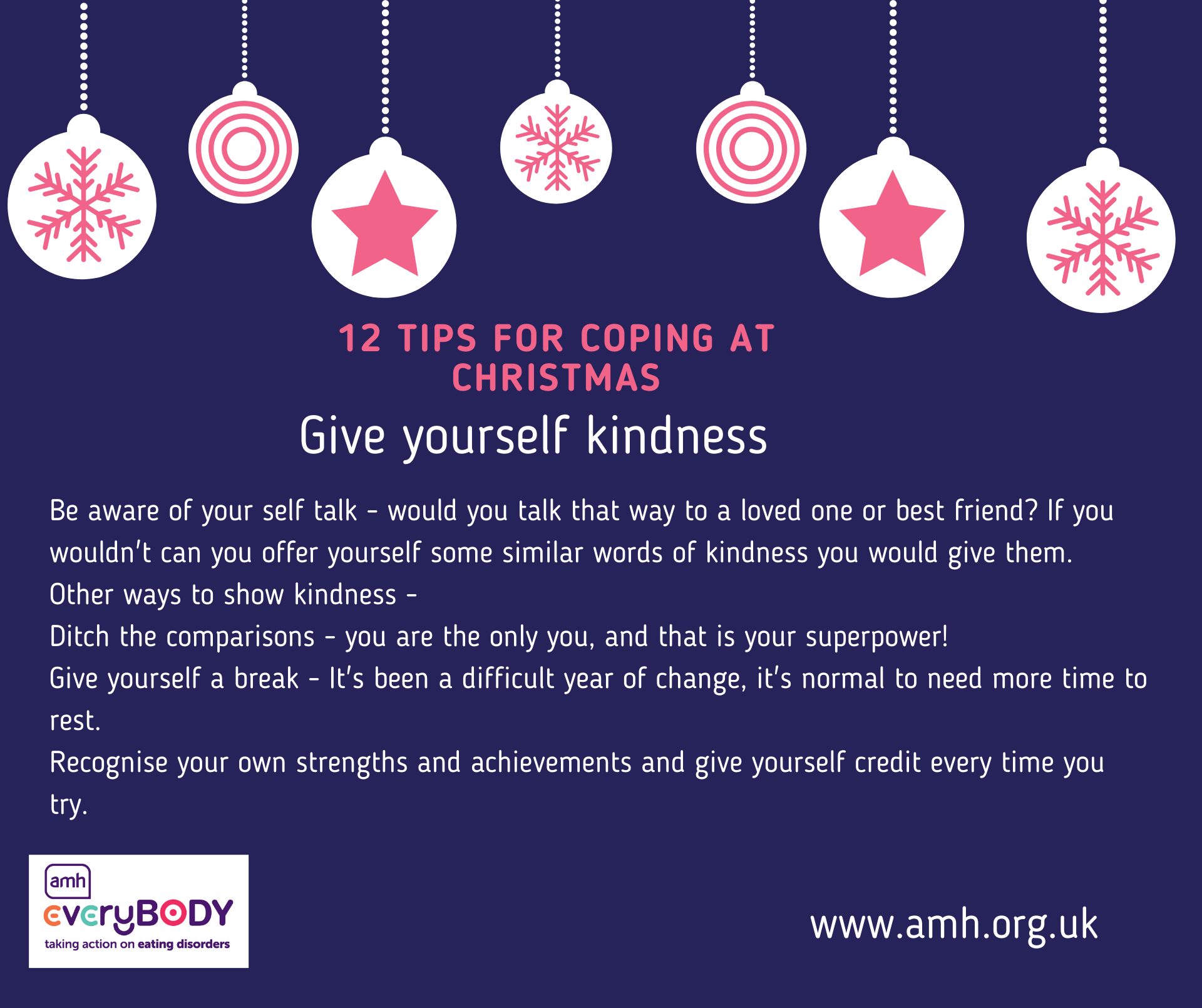
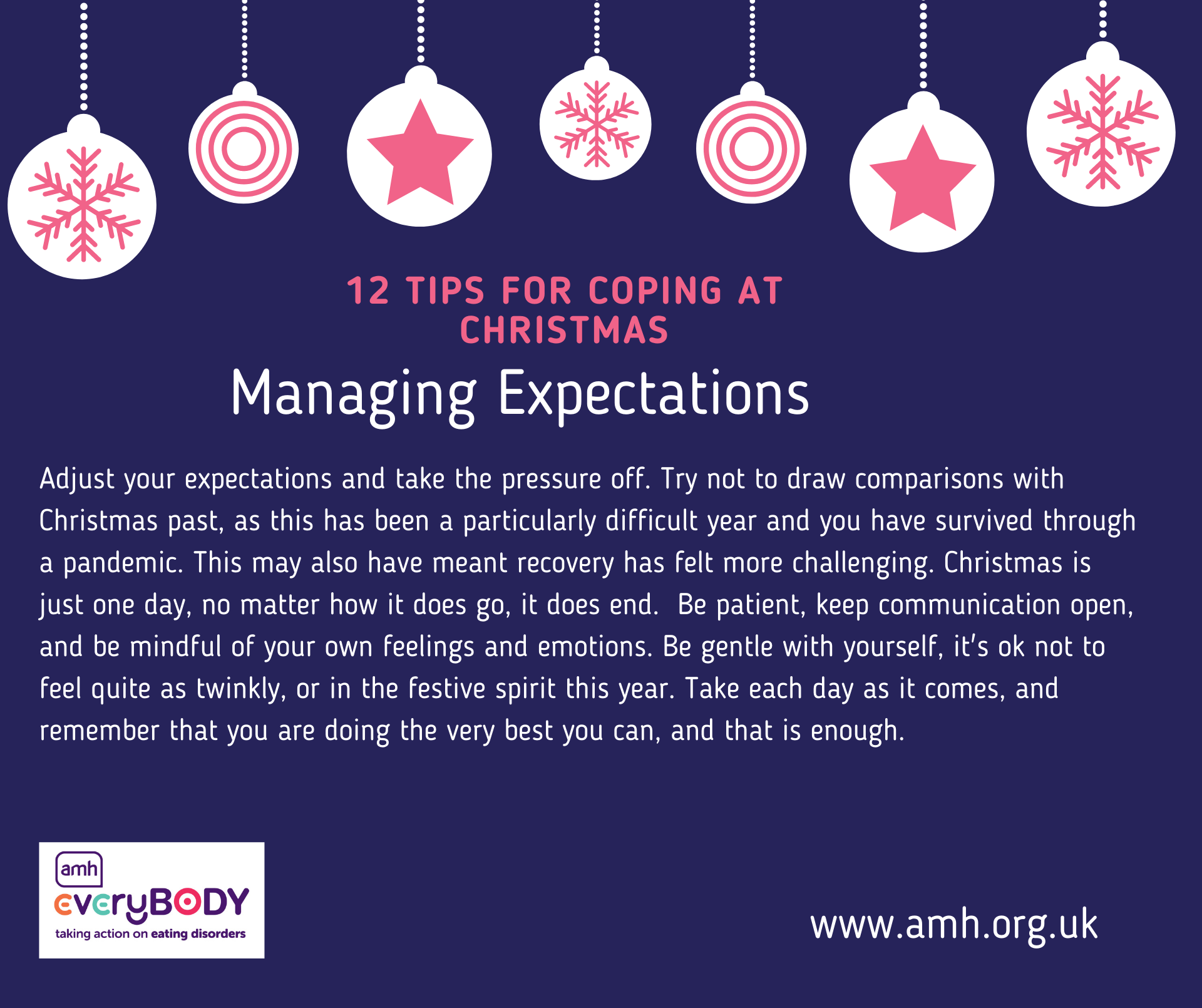
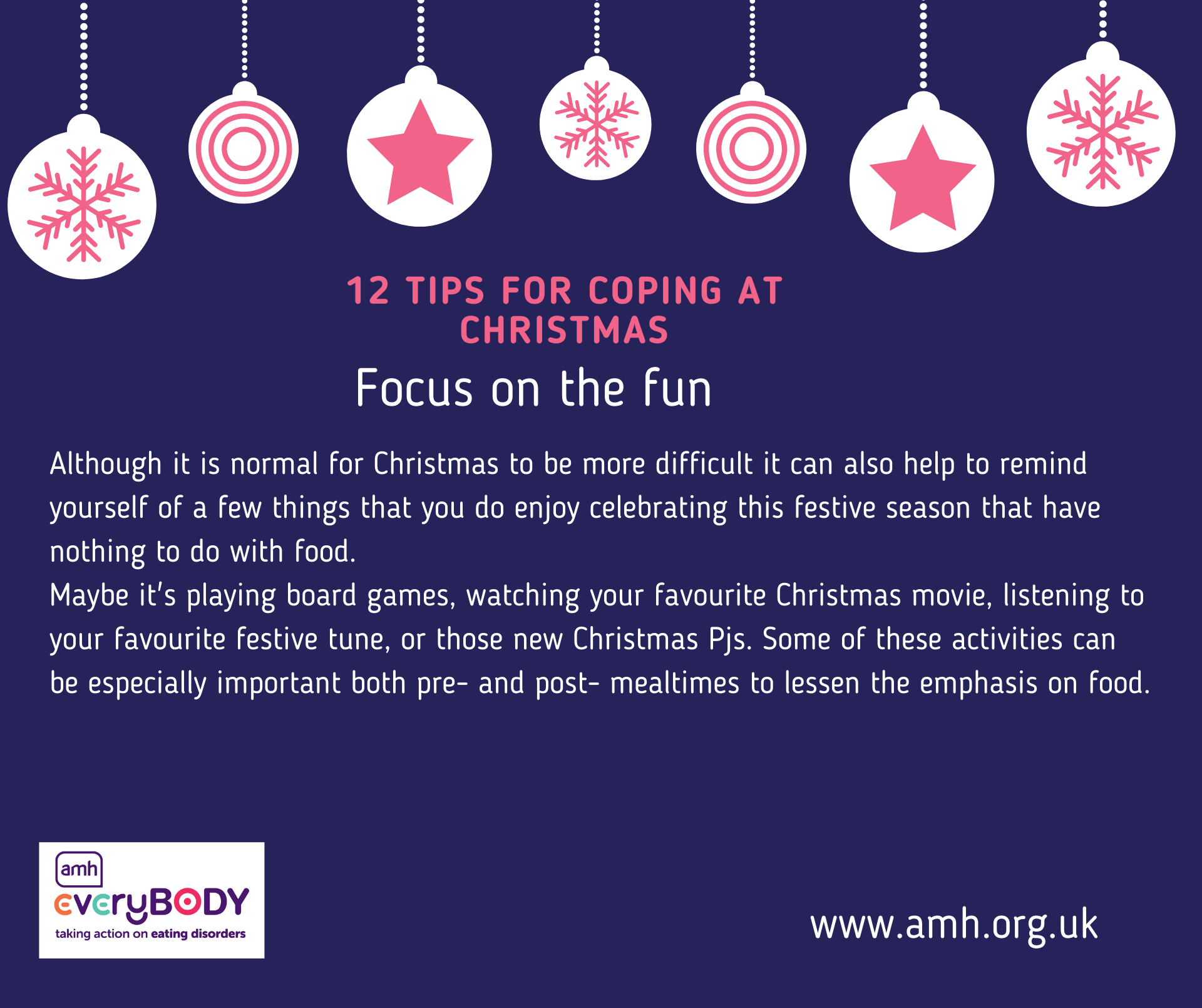
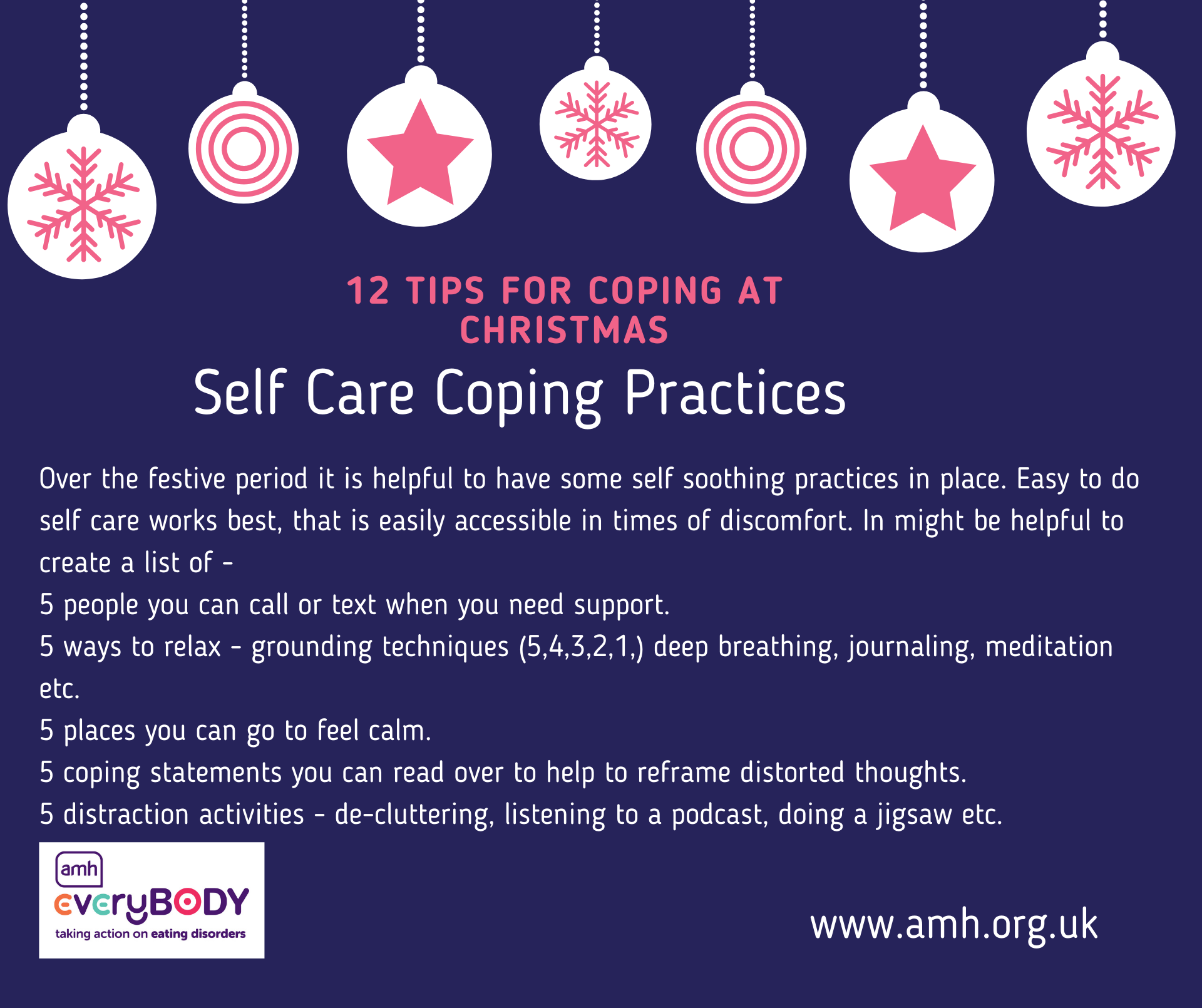
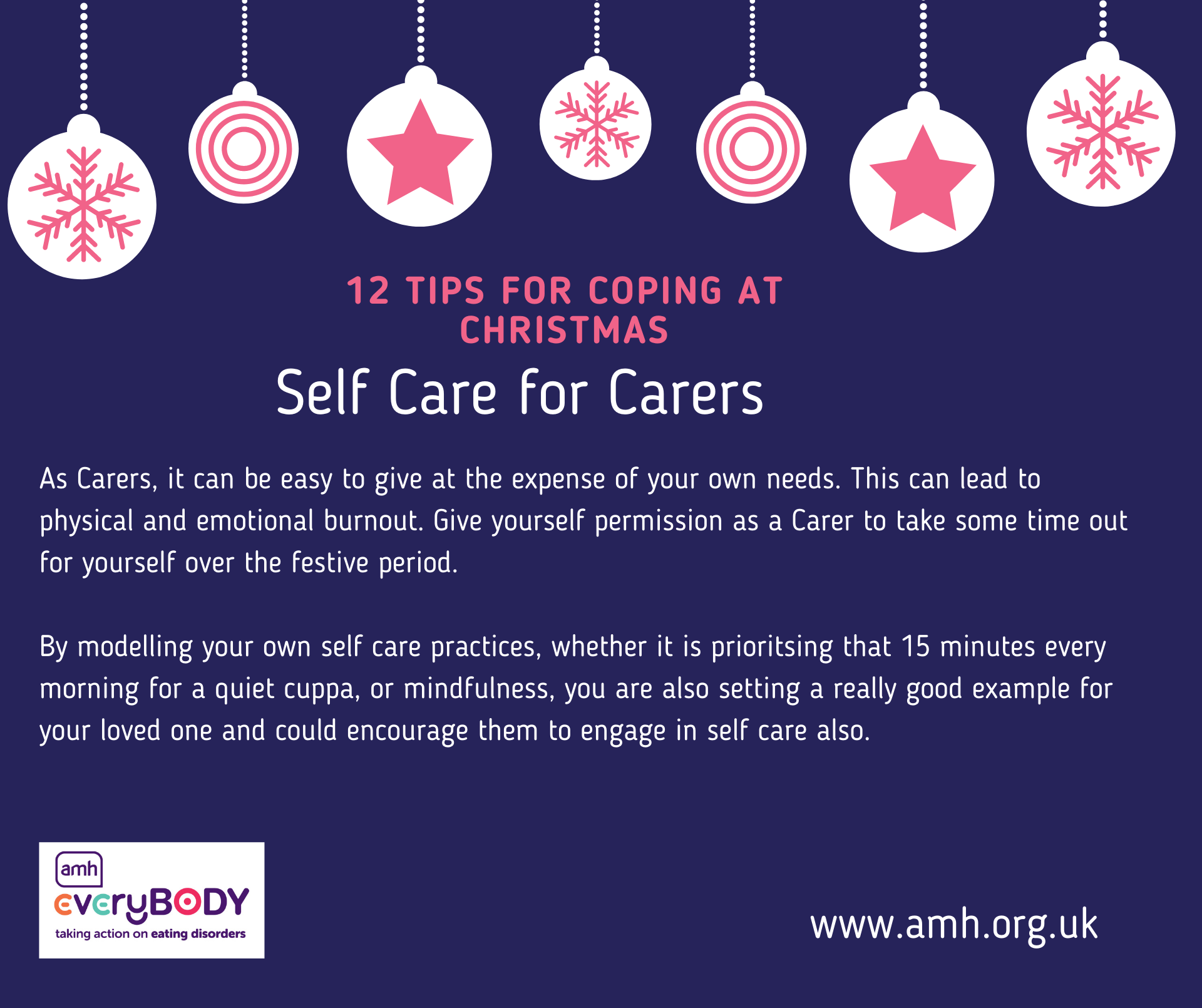
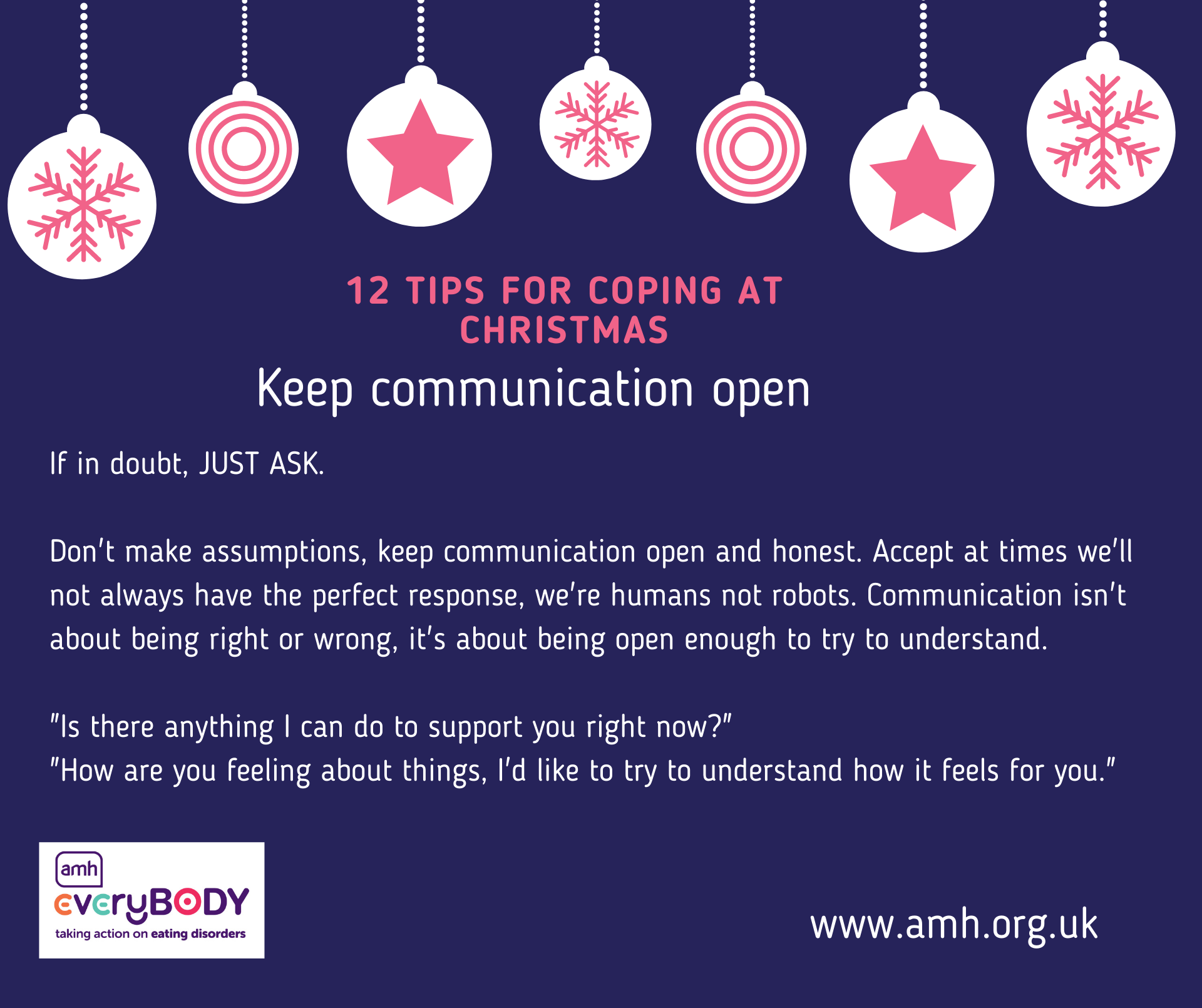
This year’s Action Mental Health’s Elfie Advent Calendar has brought much-needed Christmas cheer in many guises. However, the festive season with its focus on food can bring challenges for those of you affected by eating disorders. Once again, AMH everyBODY is here for you, lending a little festive support with their 12 Christmas coping tips, helping you focus on the fun of the season.
Follow AMH everyBODY on Facebook as they count down their 12 tips for Christmas. #takingactiononeatingdisorders
click on each tip below to find out more :-
Information on eating disorders and health promotion is available. Contact AMH everyBODY on 028 3839 2314 for further information.
If you feel in crisis you can call Lifeline on 08088088000 24 hours a day, 7 days a week.
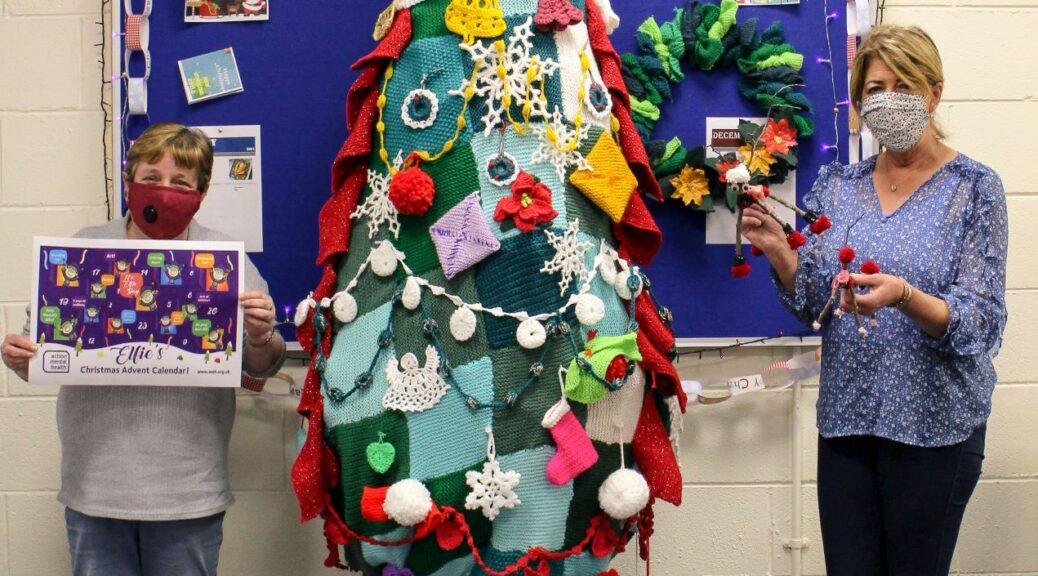
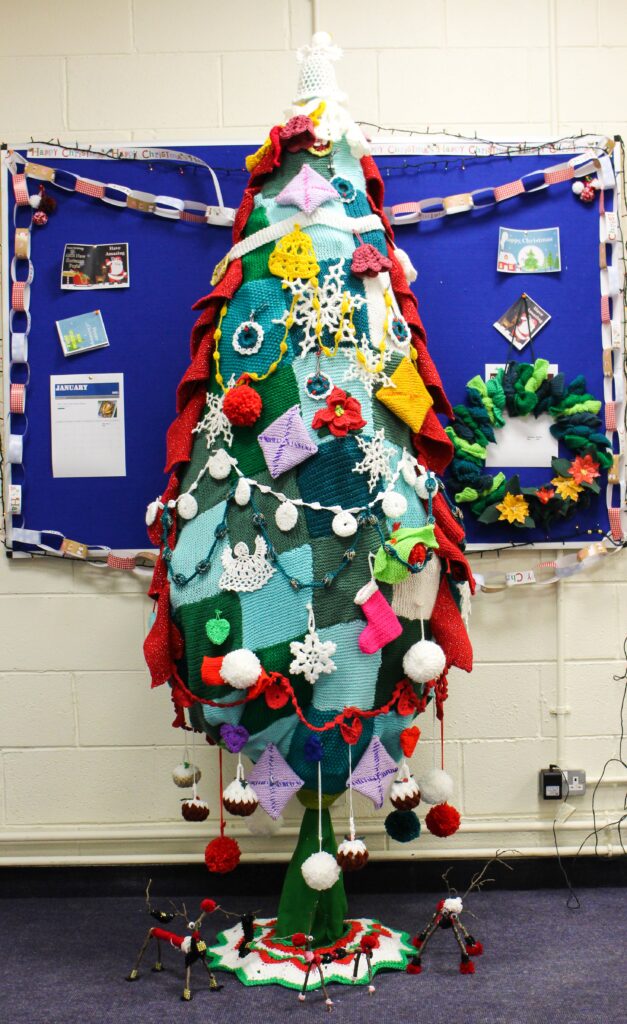
The city of Derry-Londonderry has been gifted an amazing Christmas tree with a difference – a fully knitted creation from the deft hands of clients at Action Mental Health New Horizons Foyle.
When the pandemic struck and thwarted the usual, busy programme of face-to-face activities at its Springtown Industrial Estate location, enterprising staff got to work to transfer much of the programmes online.
Clients were sent creativity packs, including knitting needles and wool and they swiftly got to work, creating squares that have been fashioned into the handcrafted symbol of Christmas.
The knitters’ abundant creativity, fired by staff’s encouragement while in isolation, has resulted in a unique, hand-knitted Christmas tree – a first for the City – that towers at eight feet tall. Each client contributed, knitting a square for each and every client supported by AMH New Horizons Foyle over the past 28 years.
AMH NH Foyle Service Manager, Pauline Flanagan commented: “Faced with lockdown and no longer able to provide a face-to-face service, the innovative AMH New Horizons Foyle team began to deliberate on how to foster connections between clients and staff, in order to reduce their feelings of isolation, to help them stay well and maintaining their mental health, while staying apart.”
This unique challenge resulted in a comprehensive online training calendar launch, alongside a ‘Stay At Home with Foyle Pack’ delivered to each client, designed to promote creativity.
“Back at the start of the first lockdown, the pack included materials to enable clients to engage in myriad projects together while they were forced to stay apart, such as knitting needles and wool for a future knitted Christmas tree project,” she said
“Now this breath-taking Christmas tree is a symbol of positive mental health and emotional well-being.”
Staff’s vision of keeping connected through creativity stems from evidence supporting the therapeutic power of the arts on those suffering mental ill health. The arts can imbue in people a sense of control, social connection, perspective-taking and increased sense of worth and the appreciation of beauty.
Nicky Grant, Key Skills Coach at New Horizons Foyle, provided key guidance to clients during the novel creative exercise.
“The handcrafted tree is one of the ways clients have used the arts and creativity to cope and flourish during the pandemic. Clients also engaged in twig art, creating unique reindeers, wreaths, gift cards and handmade decorations, which are all on display and for sale.
One of the client knitters, Sandra spoke of her enjoyment in taking part. “The project was a wonderful journey, and helped maintain my mental health.”
Another client, Anne agreed, adding: “We are so proud of our creation; it kept me connected as I live alone in a rural area.”
James, another client, was also very happy to participate. “I knitted! Squares are easy and I was glad to be included.”
Gift cards have been created featuring Action Mental Health’s fundraising friend – the special seasonal sprite, Elfie, who reminds us all to have a mentally Elfie Christmas in 2020 – with the public being asked to support the campaign by buying a card for their nearest and dearest this year.
Clients at AMH New Horizons Foyle take part in the ESF ‘Working It Out’ project which is part-funded by the Northern Ireland European Social Fund Programme 2014-2020, Department of Economy and Western Health & Social Care Trust.
Action Mental Health’s Elfie Advent Calendar has been filled with fun, entertaining and amusing anecdotes and information to help you wade through Christmas 2020 –a year with a difference.
But this unusual year has also brought a great deal of hardship for people and if you’re coping with the loss of a loved one, the Christmas period can be particularly painful.
Bereavement in ‘normal’ times can feel overwhelming, but with the stark reality of the ongoing pandemic, losing someone to Covid-19 might feel particularly poignant, especially since the game-changing impact of the vaccine. Add isolation to that and you may be facing great heartache this Christmas.
But there are things that can be done to help you negotiate this period – when you may feel like you’re the only one not enjoying the season’s usual festive cheer.
Action Mental Health’s friends at Cruse have provided a very useful guide to help people wade through the festive period, if it’s tainted by bereavement, whether recent or even many years ago.
If you’re facing the prospect of facing an empty chair round the dinner table this Christmas, and unable to glean the comfort of other loved ones who share your loss, visit the Covid Wellbeing NI site where you’ll find Cruse’s helpful list of coping mechanisms.
They also remind us that no one need be alone – they are trained counsellors who can help. Cruse National Helpline can be called on 0808 808 1677, alternatively you can message a trained grief counsellor using our CruseChat service 9am – 9pm Monday – Friday.
We know that facing Christmas alone, or whilst grieving, can be a daunting prospect. This year it is going to be harder than ever. Whether you were bereaved in 2020 or many years before, ongoing Covid restrictions mean it is going to be difficult for many of us to be with the people we would most want to see. The virus is adding an extra layer of anxiety to the planning for so many people. It is going to be more important than ever to try and look after yourself and work out the best ways to cope.
Here are some practical ways to cope with the loss of a loved one over Christmas.
1. Consider different ways of celebrating
One of the things that can help can be to spend some time trying to work out, well in advance, which arrangements will best suit your needs and the needs of others who share your loss. Some bereaved people find that they do not wish to celebrate Christmas at all, whilst some find that simply maintaining their routine and celebrating as normal is the best tribute they can pay their loved one. It may feel important to make a special effort to remember the person who has died. This can be as simple as ‘speaking’ to the person, silently or out loud, or it may involve visiting their grave, or a place that was special to them. These can be things that we do alone, or with friends or family. You may have photos or particular memories which you treasure; sharing these with others may be something that brings you together.
2. Accept that others may have different ways of mourning
We know that people remember and mourn in different ways. Conflict within a family can sometimes arise when we have expectations of how others should grieve, so try to be sensitive to others’ needs, and to talk openly about what will be best for you.
3. Try to maintain a routine
The Christmas period may mean that your normal routine is disrupted, and this can make it easier to forget to look after yourself. Trying to keep to regular patterns of sleeping and eating are small things that can make a difference. Seeing friends or family, or volunteering for the day, can all help.
4. Go easy on the drink
It’s tempting to drink more on festive occasions, and it can feel like a drink might help numb any difficult feelings. But it’s important to remember that using alcohol to escape the pain of loss provides only very temporary relief. If you find you’re relying heavily on drinking alcohol, consider taking some drink free days. You can also find advice from Drink Aware on how to reduce your alcohol consumption.
5. Remember the happy times
Even many years after someone dies Christmas can be a difficult, intensely emotional time when we need to look after ourselves and those around us. But as time passes, special occasions like Christmas can help us remember happy memories of good times shared in the past.
6. Skip the Christmas films
It can be tough when you are bombarded by images of people enjoying happy family times. If it’s getting too much, consider taking a break from the Christmas TV and social media and maybe take a walk or get some fresh air in any way you can.
7. Talk to someone
If you’re struggling to deal with the grieving process over Christmas, you can call the Cruse National Helpline on 0808 808 1677, see here for opening hours. Alternatively you can message a trained grief counsellor using our CruseChat service 9am – 9pm Monday – Friday.
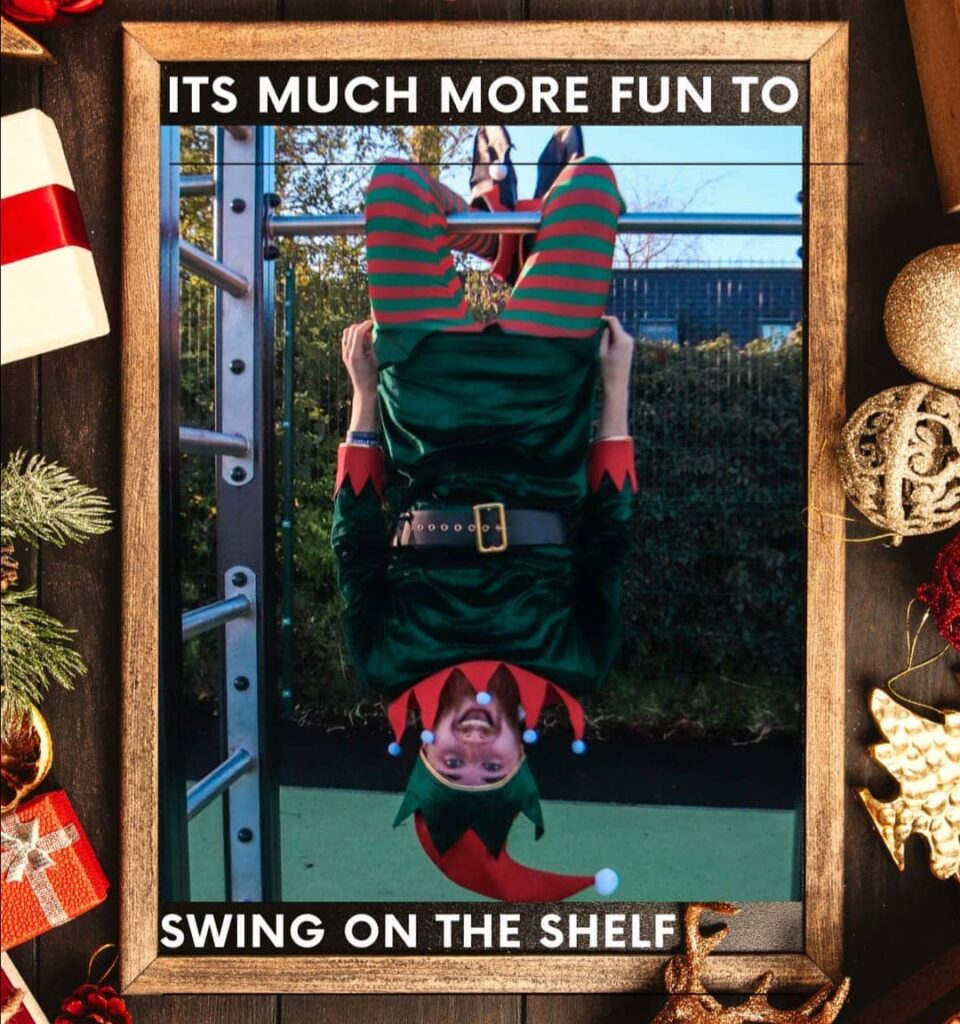
We all know and love the cheeky elves-on-the-shelves that cause endless fun and mayhem in people’s homes in the run-up to Christmas.
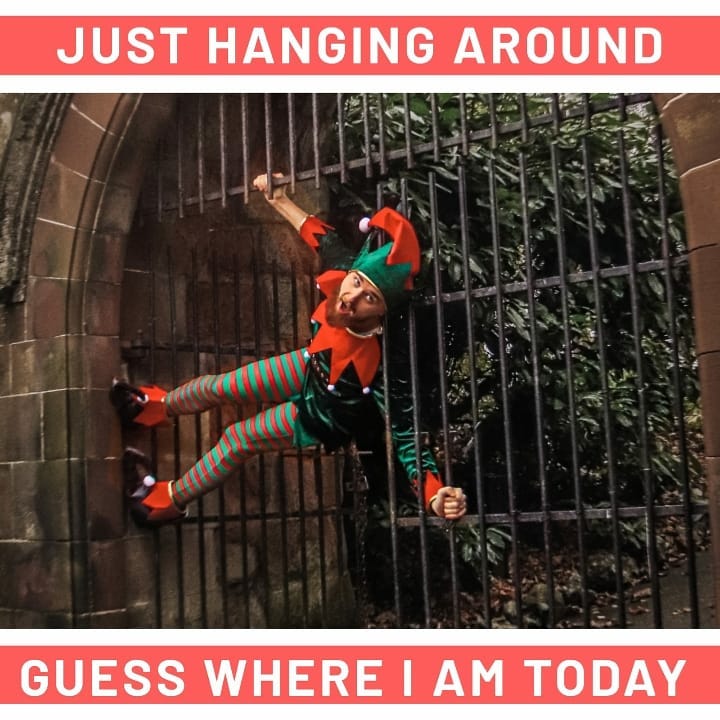
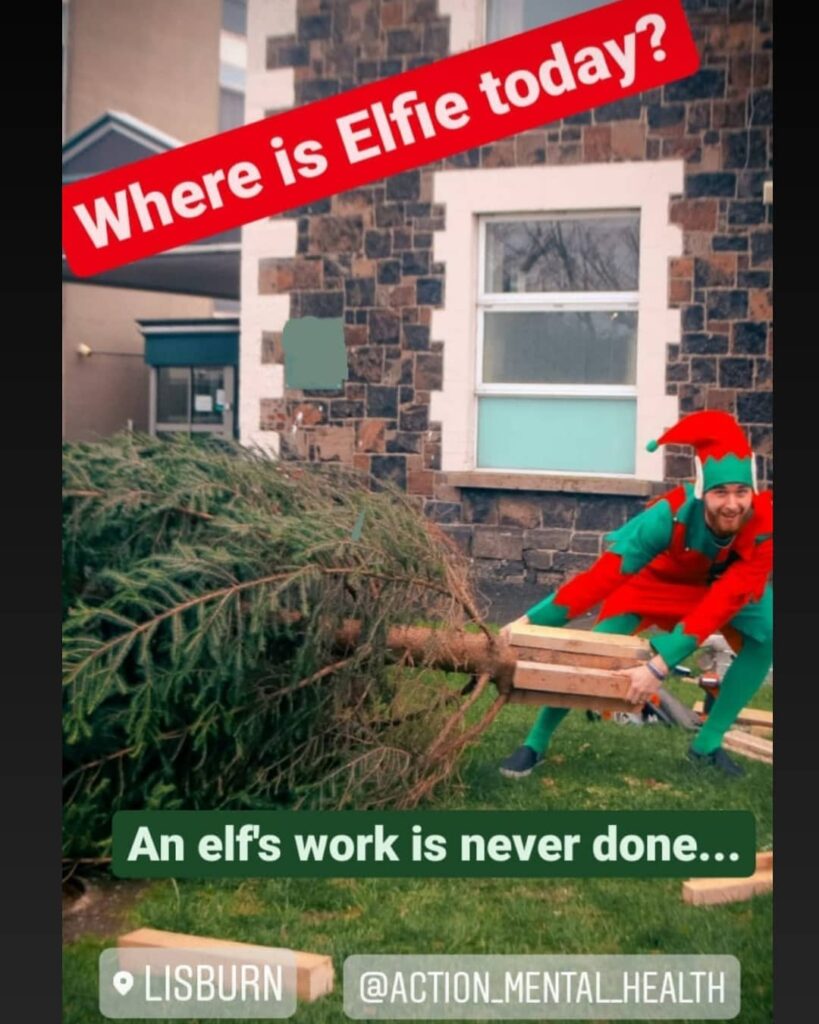
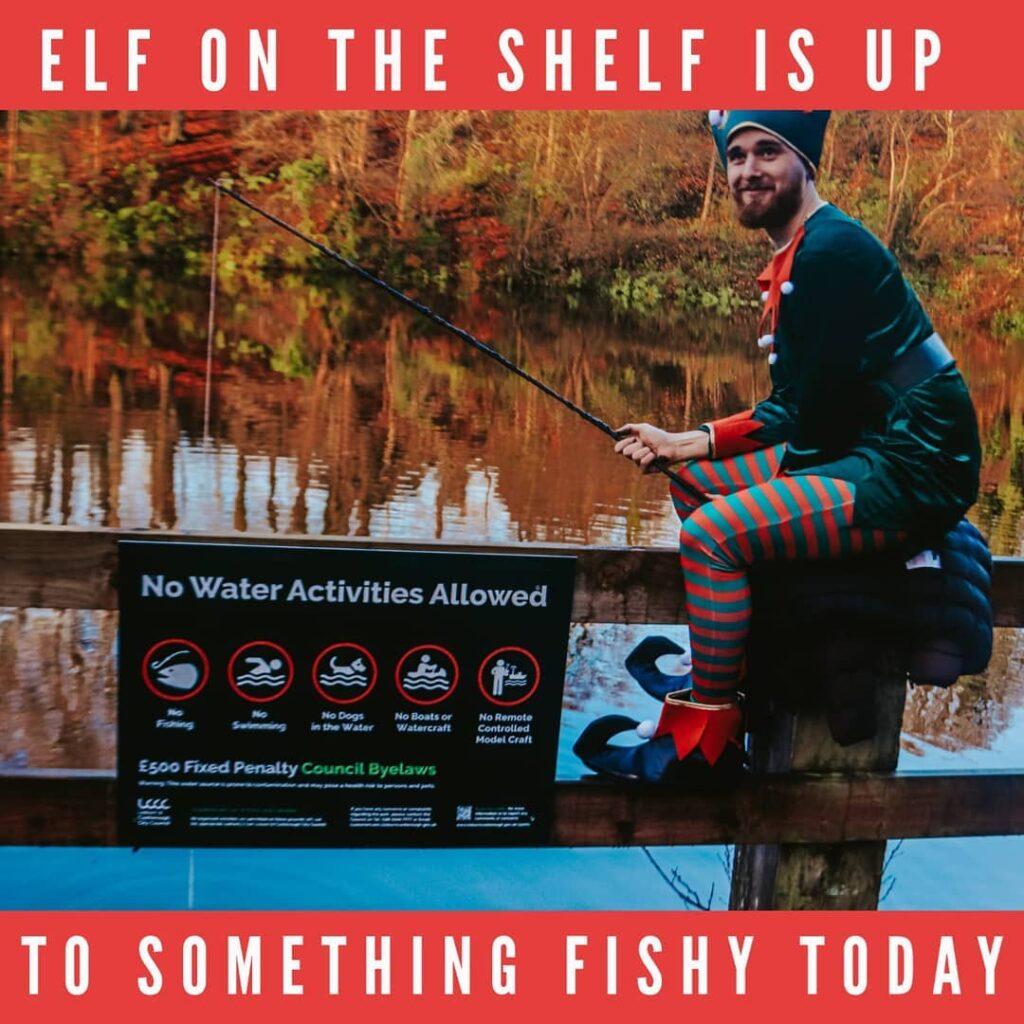
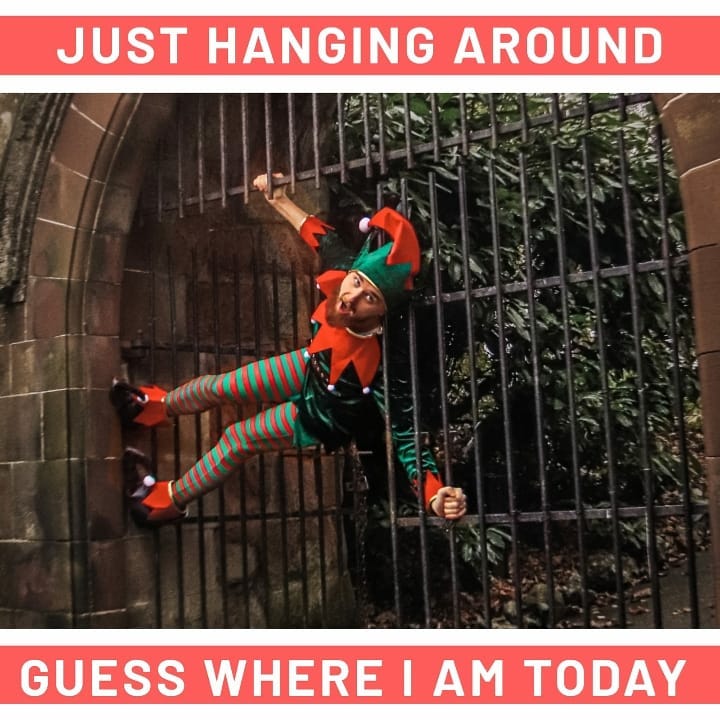
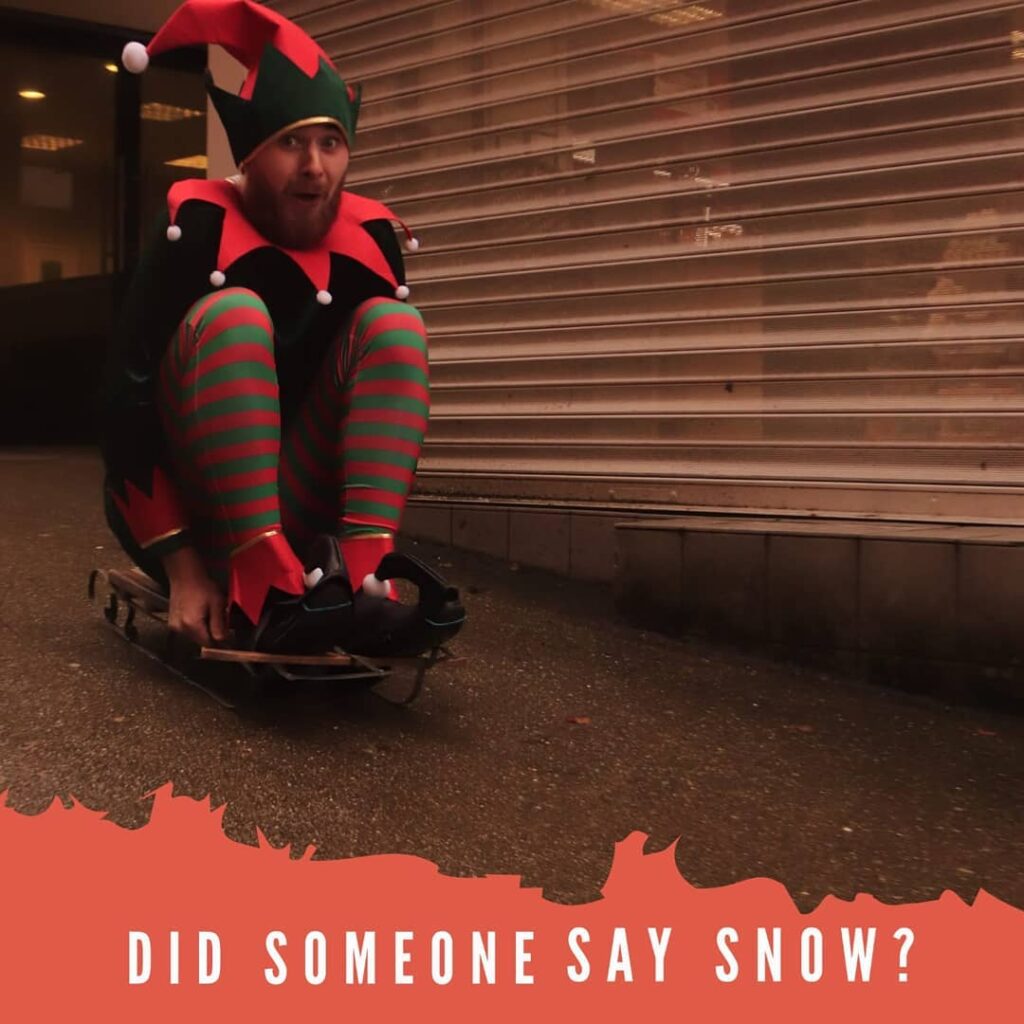
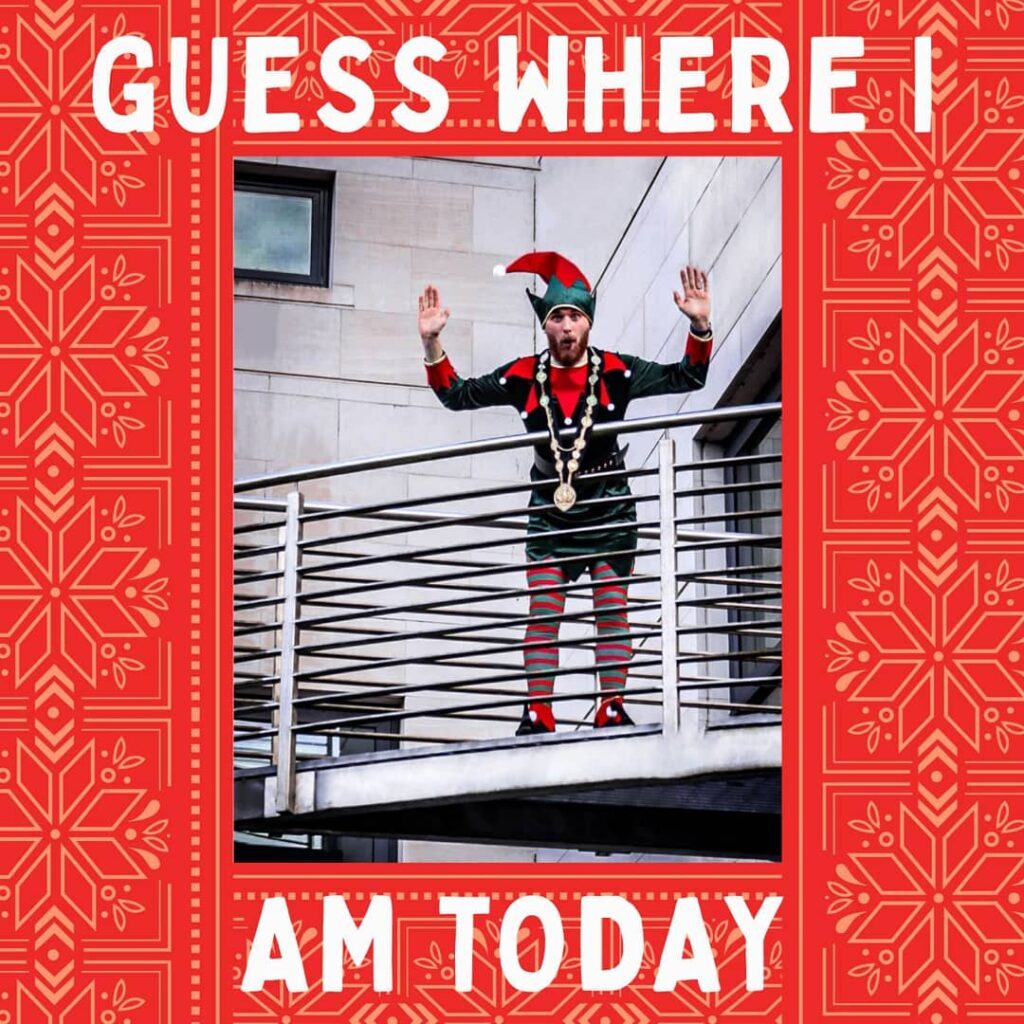
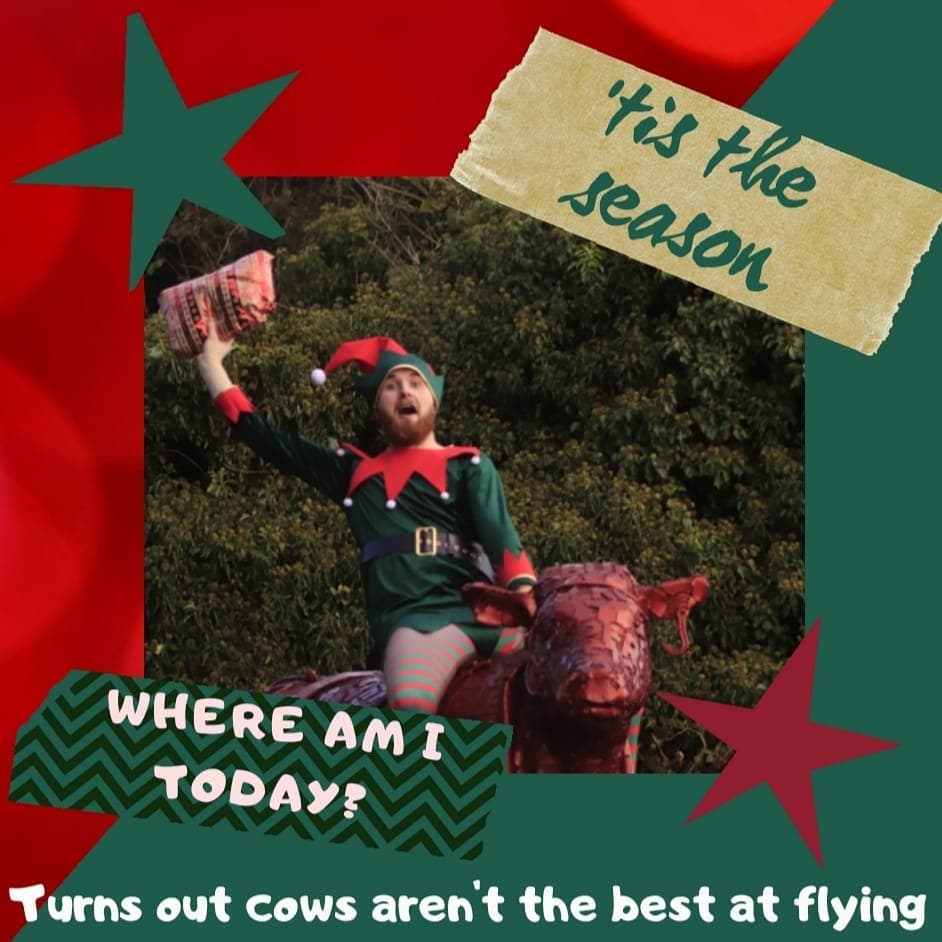
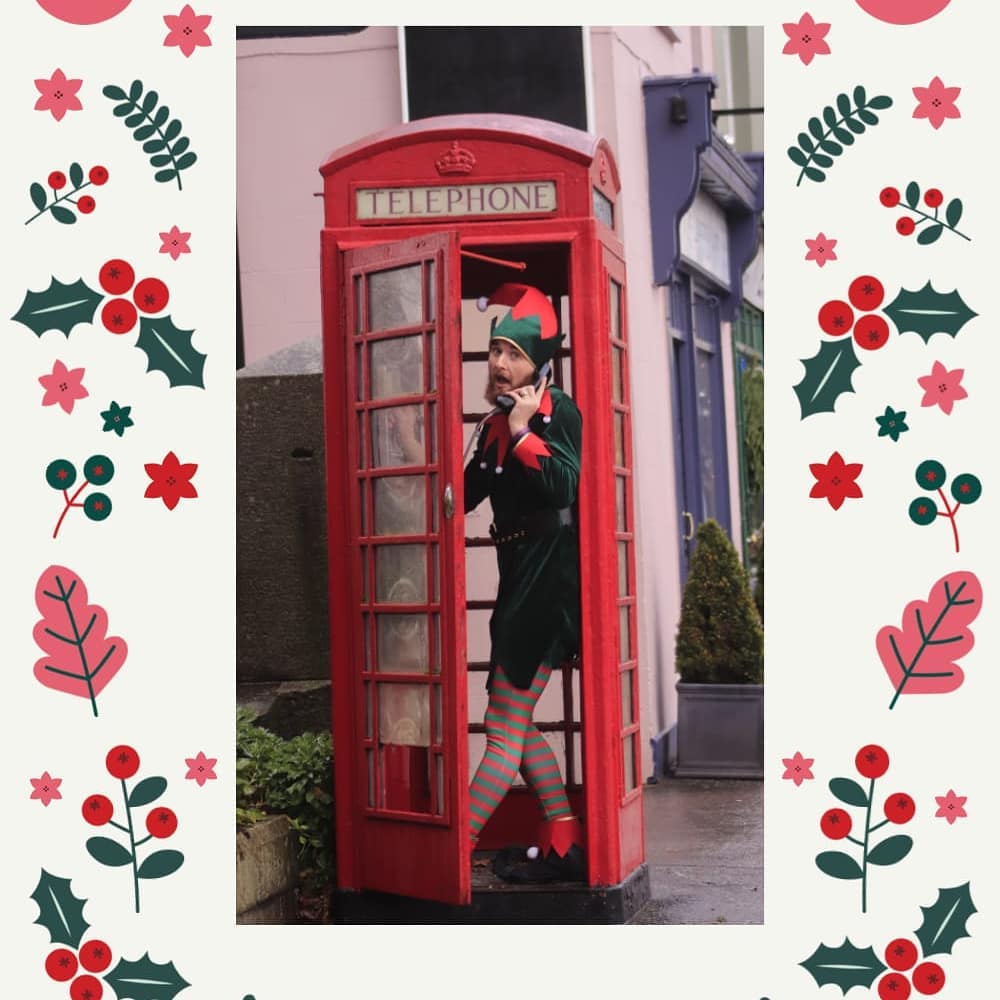
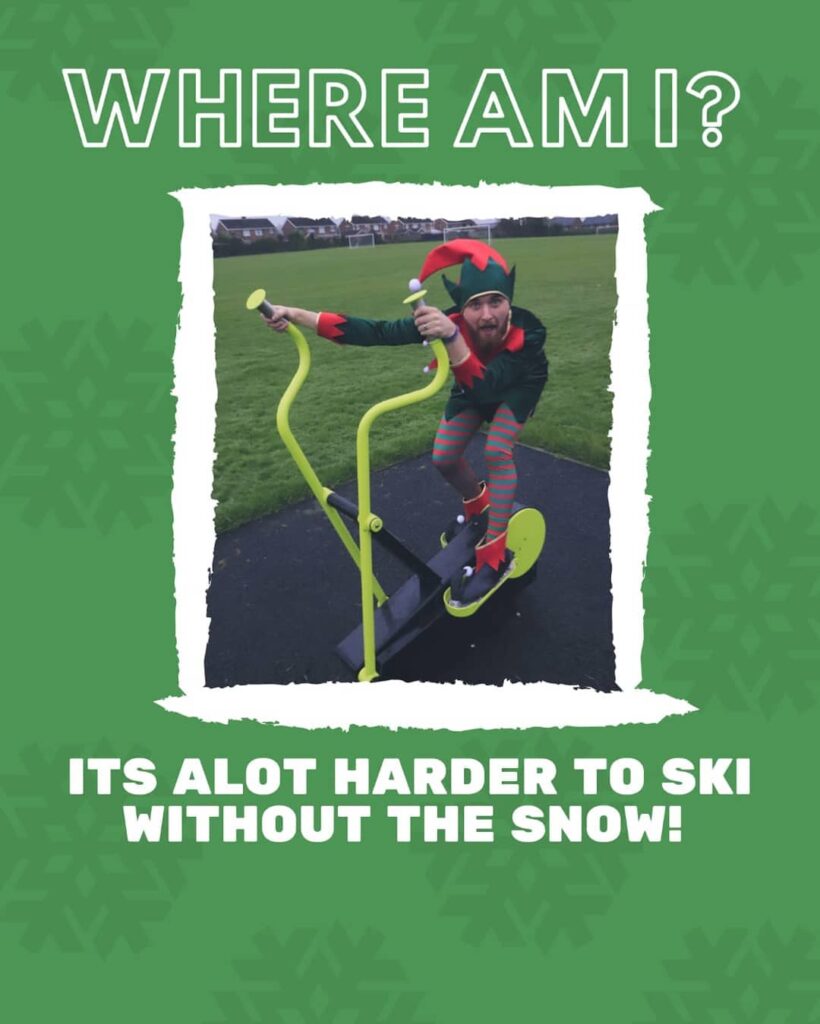
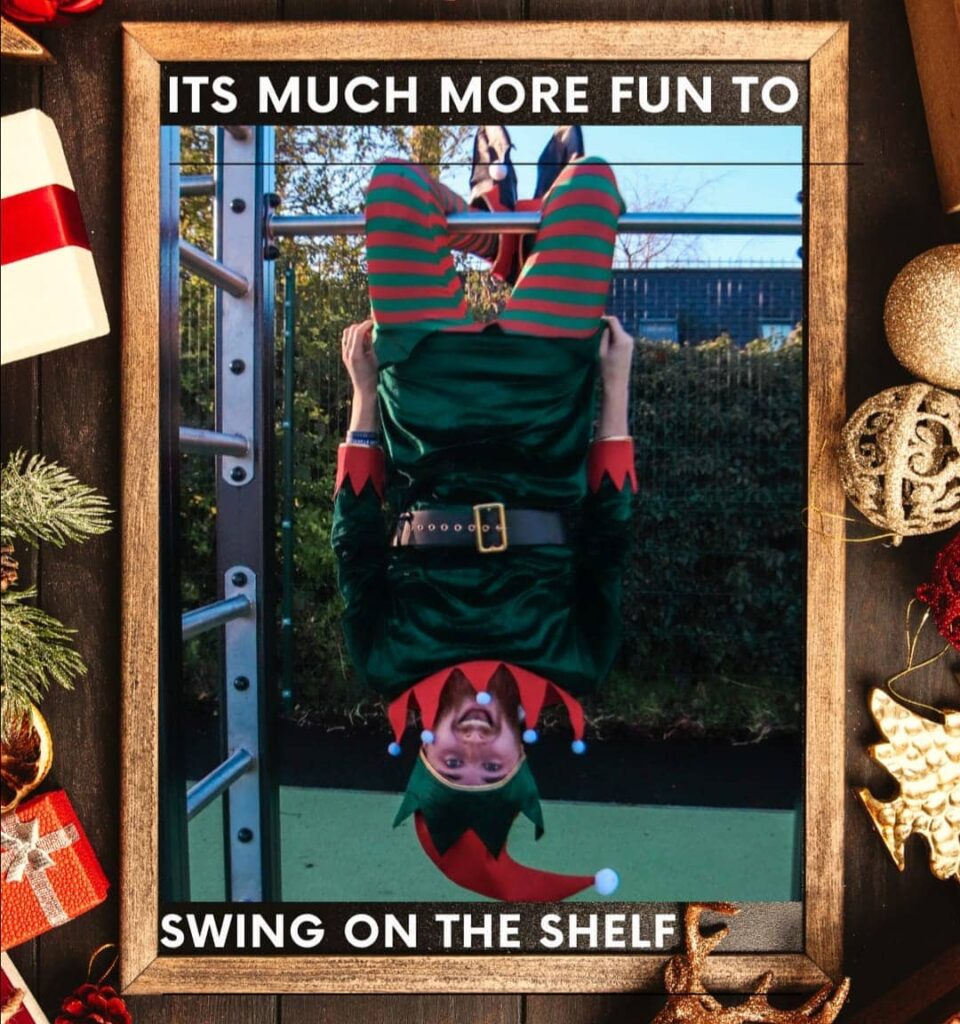
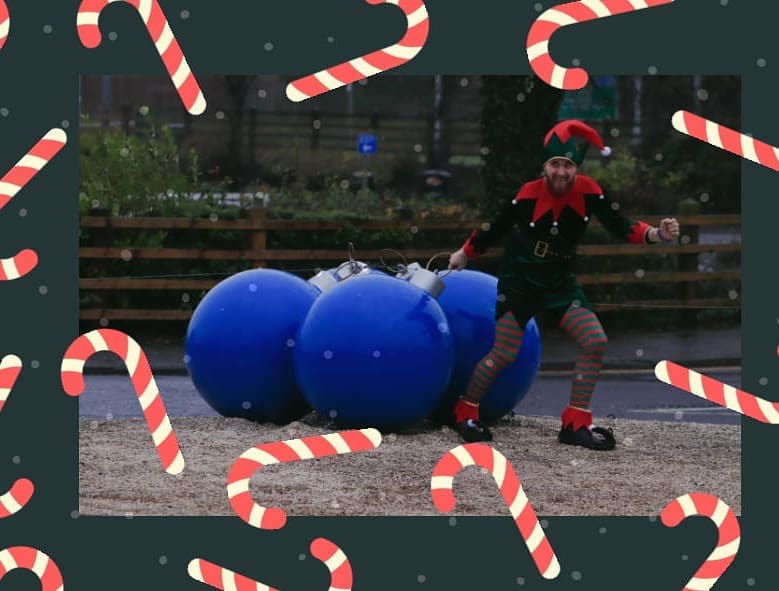
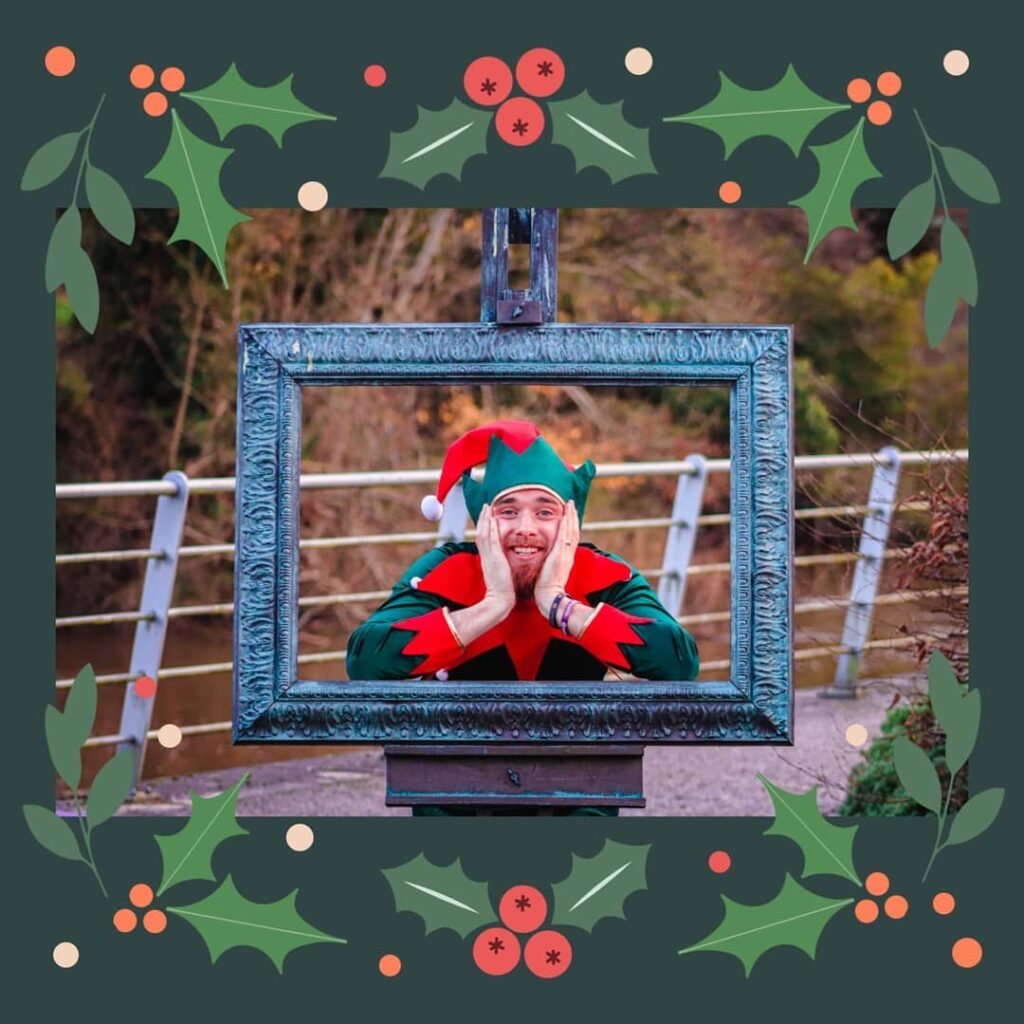
But for Joel, from Lisburn, the seasonal sprite is this year offering him more than just a bit of a laugh – the opportunity to raise awareness of mental health issues – while he dresses up like a real-life elf and invites the public to guess his whereabouts!
Joel, a former client at AMH New Horizons Lisburn, explains why is raising money for Action Mental Health this Christmas:
“Hi, my name is Joel. I have suffered from mental ill health for a large portion of my life. During the past two years I have attended Action Mental Health – New Horizons in Lisburn (previously Derriaghy). Hence this fundraiser, as I want to be able to help others to get the same support from AMH that I have received.
Over the past few months due to personal circumstances and Covid implications my mental health has declined significantly and I am currently receiving treatment from the Acute Home Treatment Team in Lagan Valley Hospital. Before the current lockdown restrictions were announced, I had set out goals in my care plan with the home treatment team. Some of these goals were to get into a good routine, attend the gym regularly and get more involved with my church, particularly the youth ministry. However, the majority of these goals have been made temporarily impossible due to the new restrictions. When I realised that I couldn’t achieve these goals I knew I needed to find something else to strive towards and so this project was born – to give me structure and purpose over the next number of weeks and help me have a mentally elfie Christmas.
What I plan to do for the month of December is to be a real life ‘Elf on the Shelf’. This will basically be myself dressed as an Elf going around different locations within the Lisburn Area. I will get a photograph taken and posted on social media and your job is to try and guess where I have been.
My aim in this is to raise awareness of mental health, bring a smile to people’s faces during a tough year and to promote AMH’s fundraising campaign of “Being you best Elf” and “Having a Mentally Elfie Christmas”.
Christmas is my favourite time of year, many people joke that I was supposed to be one of Santa’s elves, so this will be a joy for me to do.
Please donate to such a great cause and follow my social media to see if you can guess where Joel the Lisburn Elf on the Shelf has been.
AMH everyBODY project workers, Deborah & Erin today share with us some of the things they are grateful for and most looking forward to this Christmas. After a difficult year, they want to ensure you prioritise your self-care this festive season and reveal how pastimes like art, reading and journaling have both supported their mental health and well-being in these recent difficult times. Like most of us, they are grateful for the chance to slow down this yuletide, and to spend quality time with those most important to them. In their video you’ll also hear information on tips to help you negotiate Christmas if you have an eating disorder.
For AMH everyBODY’s Project Worker Deborah McCready, drawing is her happy place. It eases the stresses and strains of the day and helps her switch off for a while.
Like any mindful activity – from walking, to reading or whatever your preference – for Deborah, drawing helps to ‘ground and relax’ her. She turns off her phone and finds an escape in drawing, and she wants all her AMH everyBODY clients and everyone else, to take it easy this Christmas and to try something similar.
Research has shown that art can be a useful and effective way of supporting our mental health. Creating art – whether writing, drawing, painting, embroidery and even colouring – can help people break the cycle of stress, express their inner thoughts and even meditate.
#Day 13 Christmas Breathing Techniques
Day 13 #ElfieAdvent – this is perfect for a Sunday afternoon – take a moment to relax – the whole family can join in! Katrina from the AMH Our Generation team shares some “Christmassy” breathing techniques, a taster of their new 5-8 year old school’s programme supporting children’s emotional well-being! #HealthyMe