

All posts by Dara Brown

A woman reading a book in a library.

How one SkillSET client turned a love of books into a full-time career

With personalised support from our SkillSET programme, Action Mental Health client HP turned her love of books into a full-time career at Cregagh Library. Her journey demonstrates how understanding a person’s interests, strengths and aspirations can help to uncover new opportunities which might not be clear from their employment history.

A woman reading a book in a library.

Finding the right direction

HP joined SkillSET after completing a temporary Christmas position at Marks & Spencer, where she had worked in the café. She had previously gained experience in cleaning and retail, giving her a range of transferable skills. However, when we explored her interests and aspirations, it became clear that neither area reflected what she was genuinely passionate about.

Through the Vocational Profiling process, HP’s love of books quickly emerged as a key interest. We began exploring opportunities that would allow her to build a full-time career around this passion. Initially, we considered work in bookshops and agreed that gaining relevant experience, alongside part-time cleaning work to provide an income, could be a positive first step.

Exploring new opportunities

To understand what experience employers might value, we contacted a local bookshop. The owners explained that they had begun their own careers in libraries before moving into the bookshop sector. This conversation introduced an option we had not previously considered and led us to explore library work with HP.

We contacted a local library and learned that vacancies could be limited, with agency staff often being used to cover available positions. They recommended an agency working across the Belfast Trust area, and we contacted Platinum Care to discuss HP and the support SkillSET could provide.

Yvonne at Platinum Care was very supportive and felt that HP would be well suited to the opportunities available. We completed the application process and agreed to wait for a suitable position.

Taking the first step

While HP continued to explore cleaning opportunities as a source of income, Yvonne contacted us to let us know that a three-month position had become available at Holywood Library.

HP was keen to take the opportunity, and it proved to be an important first step towards her longer-term, full-time career goal. Following an interview with the library manager, HP began her training. The feedback was extremely positive, and it quickly became clear that she had found an environment in which she could flourish.

HP grew in confidence, developed new skills and thoroughly enjoyed the experience.
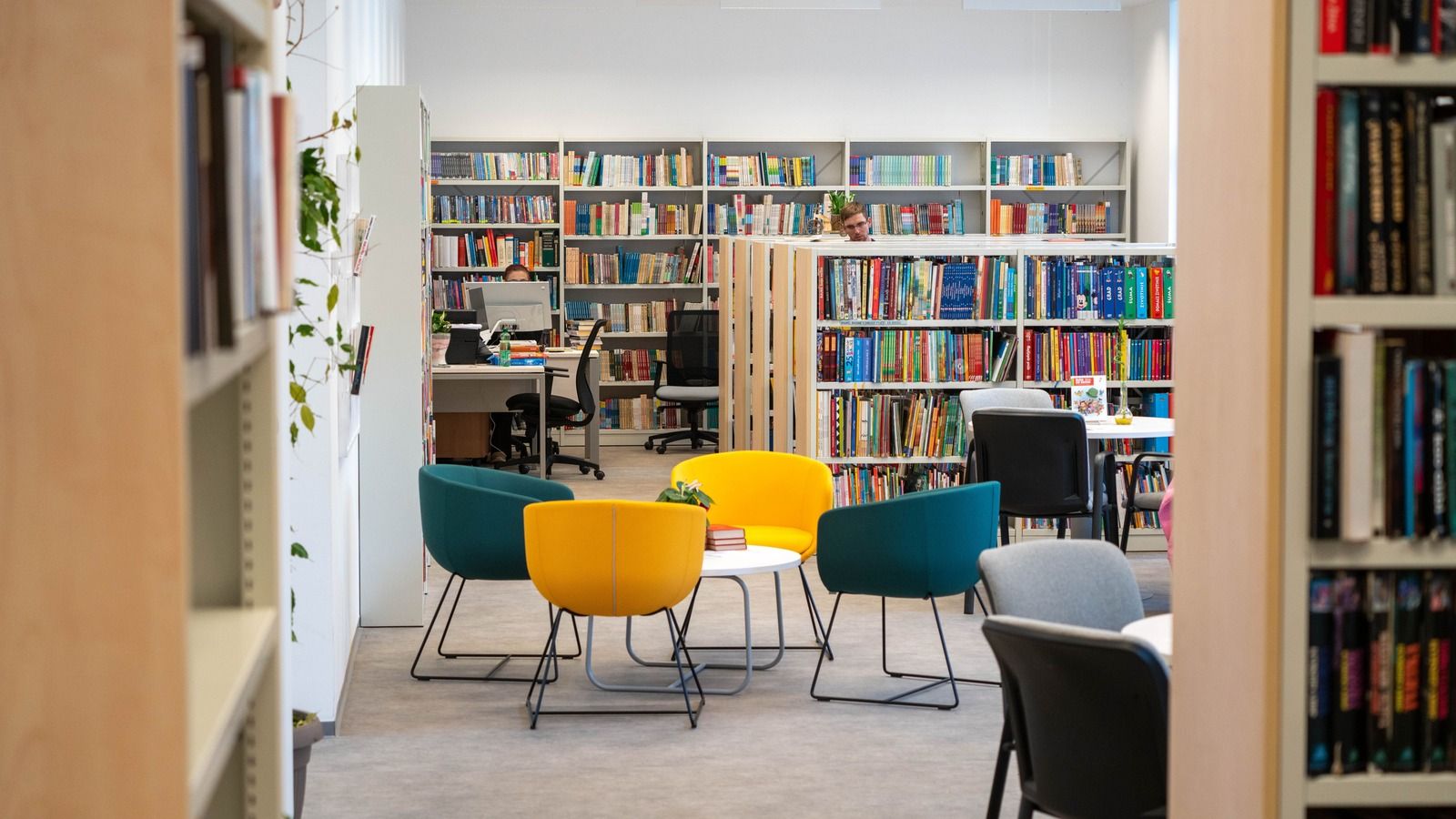
A bright, colourful community library.

Building experience and confidence

As HP’s initial library contract approached its end, she successfully secured a cleaning position, providing an additional source of income. At the same time, she was offered an extension at Holywood Library, allowing her to continue building experience in a role she genuinely enjoyed.

HP was subsequently offered a six-month contract at Comber Library. This represented another significant step forward towards a full-time career, giving her greater responsibility and further opportunities to develop her skills.

Although she faced challenges during this period, HP demonstrated resilience, commitment and a strong willingness to learn. Her growing experience in the library sector strengthened both her confidence and her employability.

Securing a full-time career

When HP’s contract at Comber Library came to an end, she returned to the SkillSET programme and continued working towards her employment goals.

By this stage, HP had built valuable experience across several library settings and had developed a much stronger understanding of the sector. Her continued progression ultimately led to her securing a full-time position at Cregagh Library.

In her new role, HP has continued to develop her skills and take on a wider range of activities, including crafts and story-time sessions. She has progressed from having limited knowledge of the library sector to building a career in an area she is genuinely passionate about.

The impact of personalised support

HP’s journey demonstrates the value of looking beyond an individual’s previous employment history and taking the time to understand their interests, strengths and aspirations.

By exploring possibilities with HP, building relationships with employers and supporting her through successive opportunities, SkillSET helped her take the first steps into a sector she had not previously considered as a career.

HP’s love of books was not simply an interest – it became the starting point for a meaningful and sustainable career.
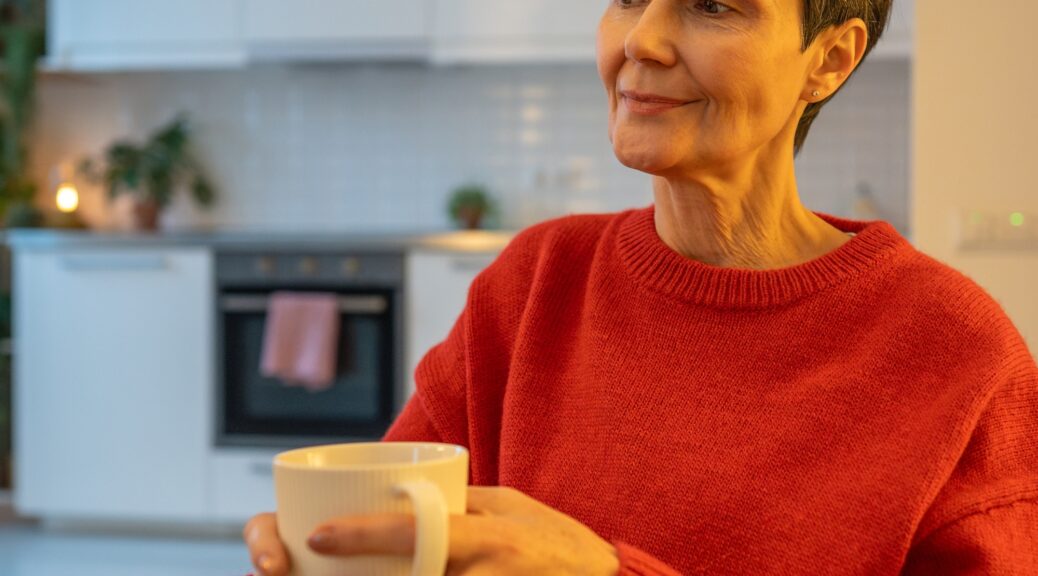

A middle-aged woman sitting on a sofa, peacefully drinking tea.

5 easy ways to boost mental wellbeing in just 5 minutes

A middle-aged woman sitting on a sofa, peacefully drinking tea.

We’ve all been there. Life gets busy. Between work, family responsibilities, and social commitments, it can feel hard to find the time to check in with your mental wellbeing.

The good news is looking after your mental health doesn’t have to take hours. Small habits can have a big impact on how we feel. Starting with just 5 minutes a day to pause and reset will go a long way in restoring a sense of calm to a busy life.

This World Mental Health Day, we’re sharing 5 simple mental wellbeing tips you can try in just 5 minutes. If you’re feeling stressed, overwhelmed, or just don’t know where to start with self-care, these 5 quick techniques will fit easily into your daily routine, helping you find a moment of peace in every day.  

1 – Focus on your breathing

A man in his 30s sitting with his eyes closed, breathing mindfully.

Pause and notice how you are breathing. Often when we’re feeling worried or stressed, our breathing becomes faster and shallow.

Breathing exercises can help you slow down. Try making your exhale longer than your inhale. Like this:

  • Breathe in through your nose and count to 4
  • Breathe out slowly and count to 6
  • Repeat for a few minutes or until you feel calmer

Why it works:

Quick, shallow breathing can make our body think we’re in danger even when we’re not. But breathing deeply activates our body’s in-built relaxation response.

There are lots of different breathing patterns you can try, so find what works for you. For more breathing exercises and calming skills, check out Minding Your Head.

2 – Get some fresh air

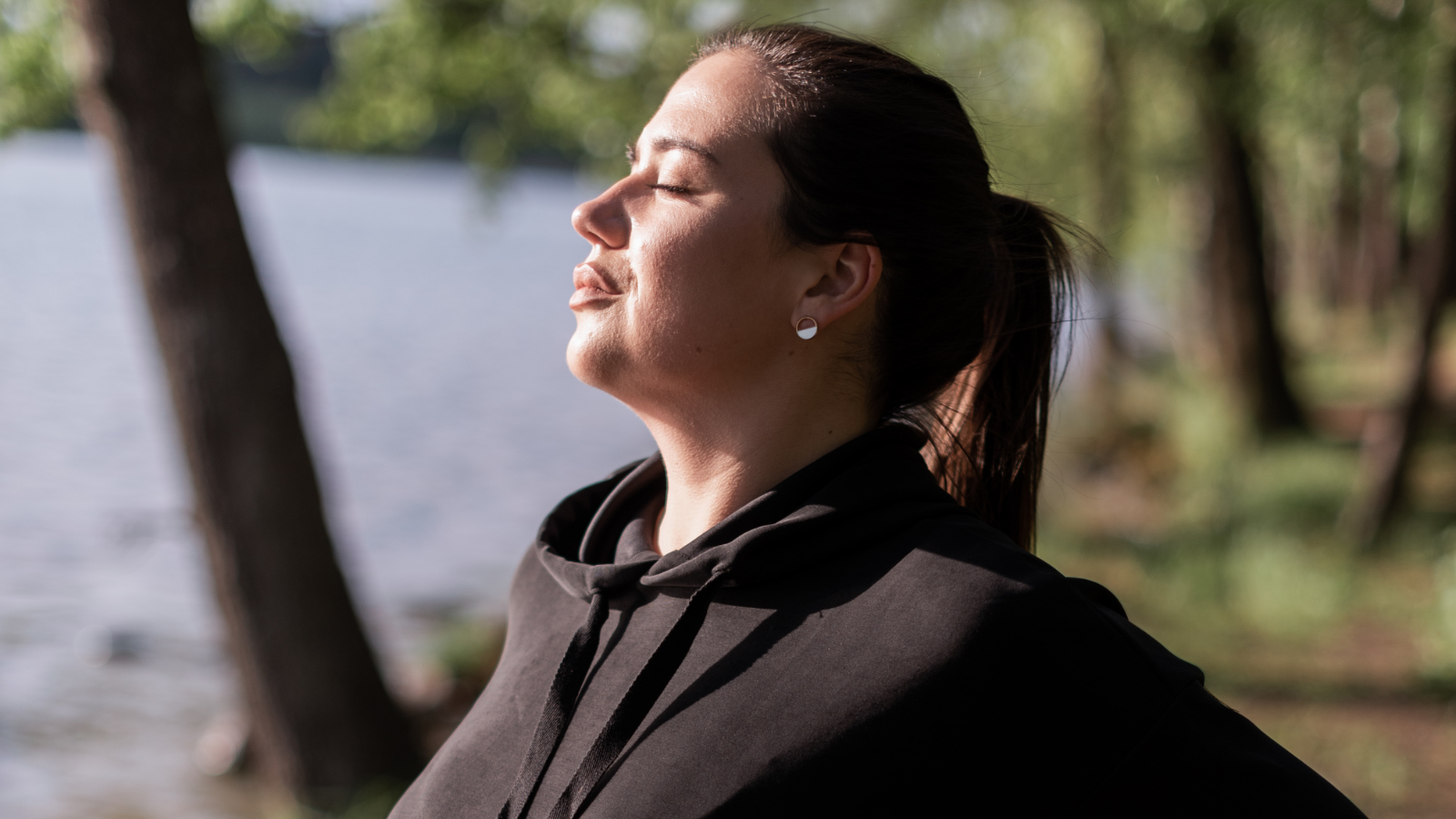
A young woman standing outside, enjoying fresh air and sunshine on her face.

Step outside or take a quick walk round the block if you can. Even opening a window and looking outside can work.

Take a moment to ask yourself:

  • What does the air feel like on my skin?
  • What sounds can I hear?
  • What colours can I see?
  • What can I smell?

Why it works:

Using our senses helps to ground us in the present moment and break the spiral of overthinking. If you can get out into nature – even better!

3 – Make a note of 3 good things

An older man typing on his phone, looking relaxed.

Grab a journal or the notes app in your phone and write down 3 good things that have happened today, however small. For example:

  • Your morning coffee
  • Going for a walk with your dog
  • A funny message from your friend

Why it works:

Our brains have what’s called a ‘negativity bias’. That means they are wired to pay attention to problems, often making us focus on negative experiences more than positive ones.

But this can make it easy to miss what’s going well in life.

Deliberately making time to notice what you’re grateful for can help you find a more balanced perspective.

4. Reach out to someone

A young man smiling while chatting on the phone.

It’s easy to withdraw or isolate ourselves when we feel low. But connecting with others is one of the best things you can do to support your day-to-day mental wellbeing.

In 5 minutes you could:

  • Call a family member
  • Voice-note a friend
  • Check in with a colleague
  • Make plans with a friend for the weekend

Why it works:

Human connection boosts our sense of belonging. Talking to someone about how you’re feeling can give you emotional support when you really need it. It doesn’t have to be a deep conversation to make a difference. Even the small moments remind us we aren’t alone.

5. Stretch

A young professional woman stretching at her desk.

When we feel anxious or stressed, we go into ‘flight or fight’ mode and our body tenses up – often without us noticing.

Taking 5 minutes to do some gentle stretches can help you get rid of that built up tension. You could try:

  • Shoulder rolls – bring your shoulders up to your ears, gently roll them backwards and down. Repeat 5 times, then switch to roll them forward.
  • Neck stretch – Relax your shoulders and tilt your right ear towards your right shoulder. Hold for 10 seconds. Switch to the left side.
  • Seated spinal twist – Sit up tall with your feet firmly planted. Take a deep breath. As you exhale, gently turn to the right, placing your right hand on the back of the chair. Hold for a few breaths. Return to centre on an inhale and repeat on the left side.

Why it works:

Stretching your muscles signals to the nervous system that it can relax into ‘rest and digest’ mode which lowers your heart rate and stress hormones. Gentle movement also triggers the release of endorphins and mood-boosting hormones.

The NHS have more gentle stretching exercises to improve your health and flexibility. Always take care when stretching and stop if you feel any sharp pain. If you’re unsure what physical exercises are right for you, speak to your doctor.

Remember: a little goes a long way

Like all self-care tools, these 5 techniques get easier with practice. They will help you to relieve stress in difficult moments, but they’re also more effective when you do them regularly, even when you feel calm.

Think of it like strengthening a muscle – working out regularly so when you need to lift something heavy, you have the strength to do it more easily. The more you practise self-care habits, the easier it is to remember them when you need them most, and the more impact they will have.

A little goes a long way for your mental wellbeing. Why not make this World Mental Health Day the time you start planning 5 minutes each day for some wellbeing exercises.  Your brain and body will thank you!

Further support

If you are concerned about your mental health, support is available. Speak to your GP, explore Action Mental Health services, or visit Minding Your Head to find the right service for you.

If you are in crisis or distress, or concerned about someone who is, call Lifeline on 0808 808 8000. Trained counsellors are available 24/7.