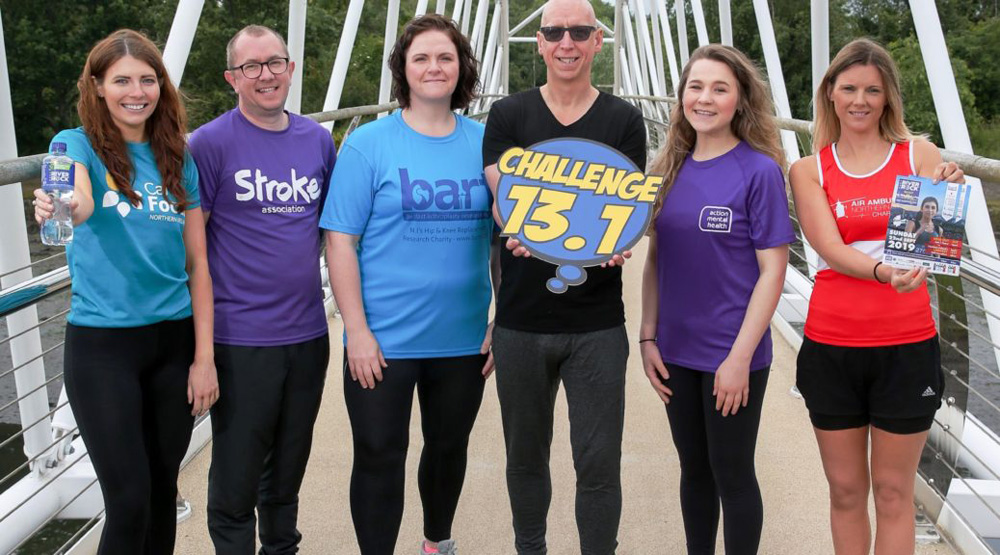
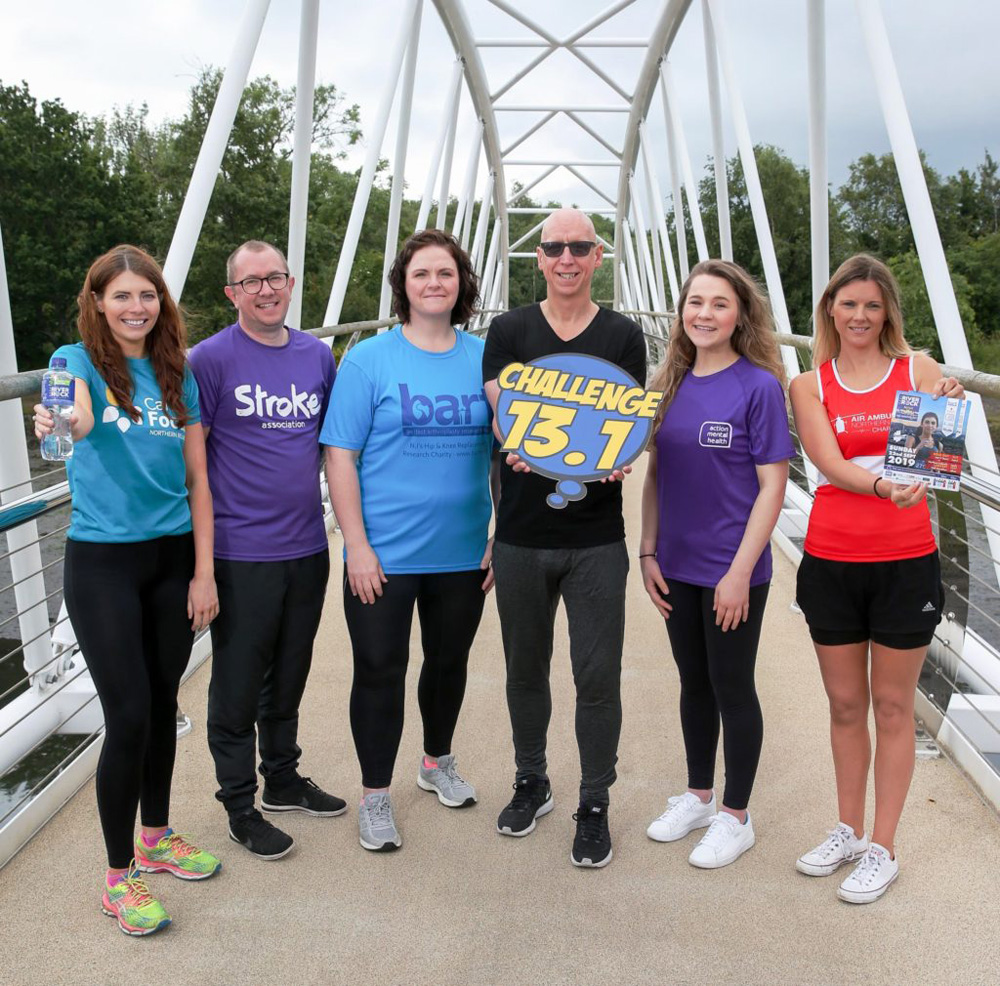
 The generosity of the people of Northern Ireland has tipped the funds raised for Action Mental Health through the 2019 Deep RiverRock Belfast City Marathon to over £60,000.
Participants’ sponsorship money has brought the total raised to support Action Mental Health’s services to £60,652.20 – but money continues to trickle in so we’re still counting – and we’re ever so grateful!
The generosity of the people of Northern Ireland has tipped the funds raised for Action Mental Health through the 2019 Deep RiverRock Belfast City Marathon to over £60,000.
Participants’ sponsorship money has brought the total raised to support Action Mental Health’s services to £60,652.20 – but money continues to trickle in so we’re still counting.
Around 18,000 people took part in the five different events of the 38th annual event on Sunday, May 5th, including the full marathon, the wheelchair race, team relay, walk and fun run. Some 5,000 took part in the full marathon, marking record numbers for the event which began in Belfast in 1982.
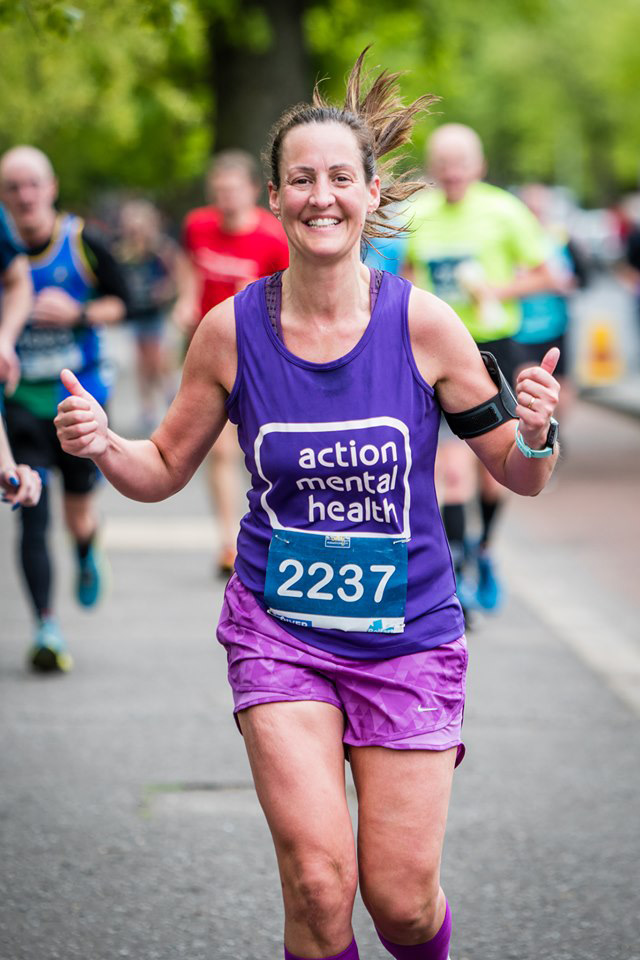
Around 500 people donned AMH colours for the event, raising funds for Action Mental Health which was one of five designated charity partners – and the amount raised so far has the charity glowing with appreciation, knowing the impact that these vital funds will have.
Action Mental Health Chief Executive David Babington has been overjoyed by the support shown in its first marathon charity designation.
“Action Mental Health was lucky enough to clinch one of the five designated charity spots of the Deep RiverRock Belfast City Marathon 2019 and because of that opportunity, a staggering amount has been raised to help fund vital mental health services provided by Action Mental Health.
“Over £60,000 has been raised so far by the generous people of Northern Ireland who have once again dug deep to support us – be they individuals, community groups, our faithful corporate partners and other businesses who selected Action Mental Health as the recipient of their marathon efforts in both physical and fundraising terms.
“We are indebted to each and every one of them, and we also want to place on record our deep appreciation to Deep RiverRock Belfast City Marathon which opened the door to such a great opportunity, not only to raise funds, but also to raise awareness of mental health in Northern Ireland.”
Around 18,000 people took part in the five different events of the 38th annual event on Sunday, May 5th, including the full marathon, the wheelchair race, team relay, walk and fun run. Some 5,000 took part in the full marathon, marking record numbers for the event which began in Belfast in 1982.
Around 500 people donned AMH colours for the event, raising funds for Action Mental Health which was one of five designated charity partners – and the amount raised so far has the charity glowing with appreciation, knowing the impact that these vital funds will have.
Action Mental Health Chief Executive David Babington has been overjoyed by the support shown in its first marathon charity designation.
“Action Mental Health was lucky enough to clinch one of the five designated charity spots of the Deep RiverRock Belfast City Marathon 2019 and because of that opportunity, a staggering amount has been raised to help fund vital mental health services provided by Action Mental Health.
“Over £60,000 has been raised so far by the generous people of Northern Ireland who have once again dug deep to support us – be they individuals, community groups, our faithful corporate partners and other businesses who selected Action Mental Health as the recipient of their marathon efforts in both physical and fundraising terms.
“We are indebted to each and every one of them, and we also want to place on record our deep appreciation to Deep RiverRock Belfast City Marathon which opened the door to such a great opportunity, not only to raise funds, but also to raise awareness of mental health in Northern Ireland.”



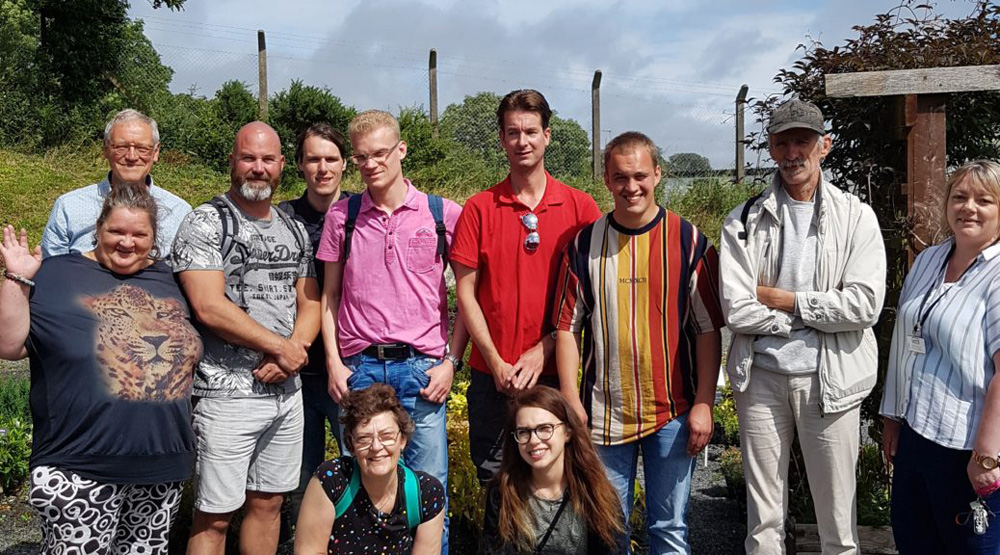
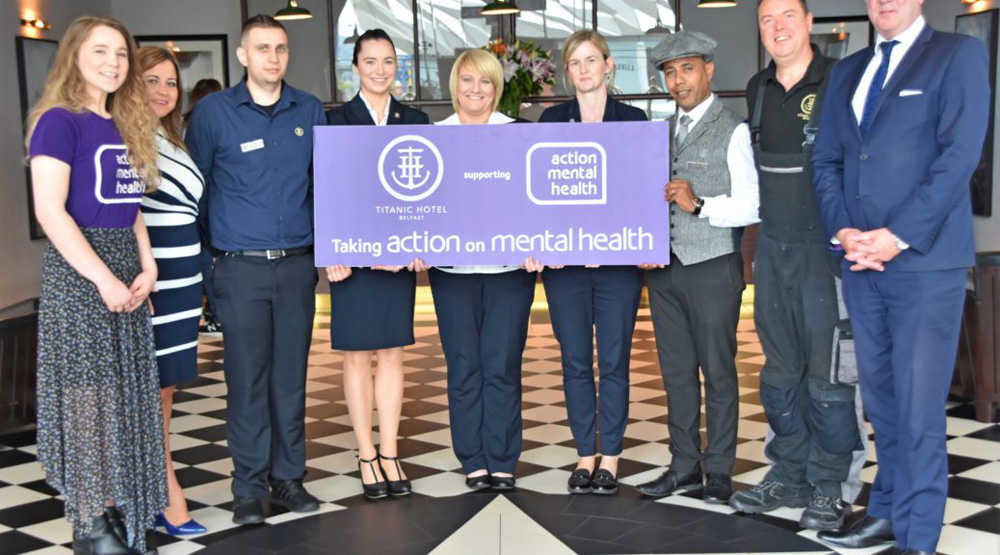

 A 23-year old man who travelled the length of Ireland to raise money for charity has donated a portion of the spoils of his mammoth effort to Action Mental Health.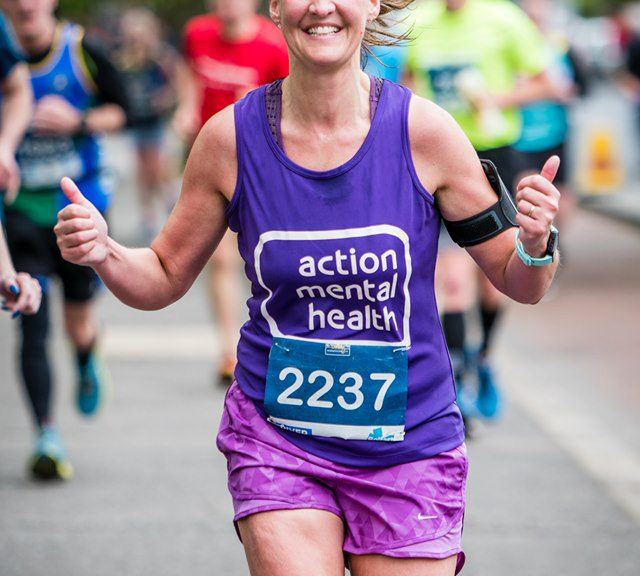

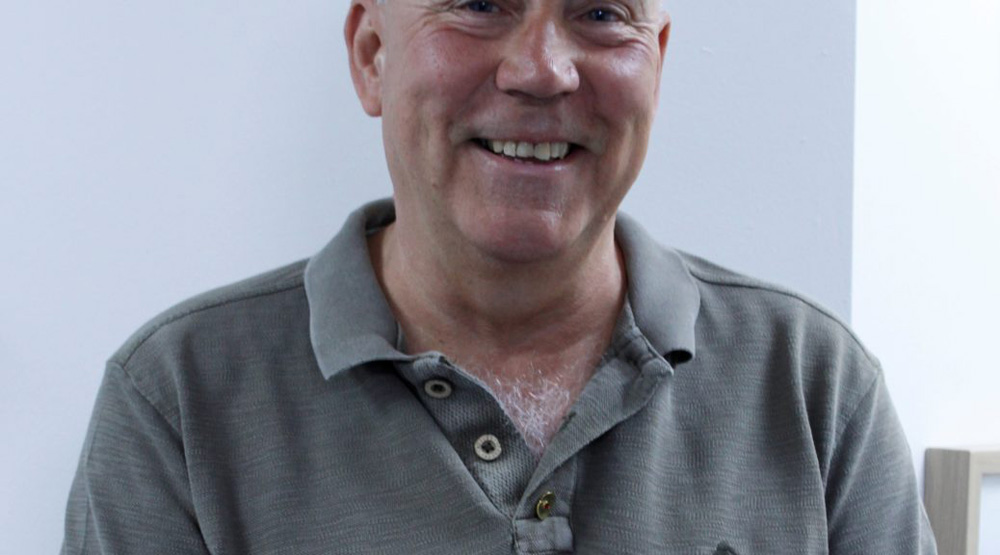
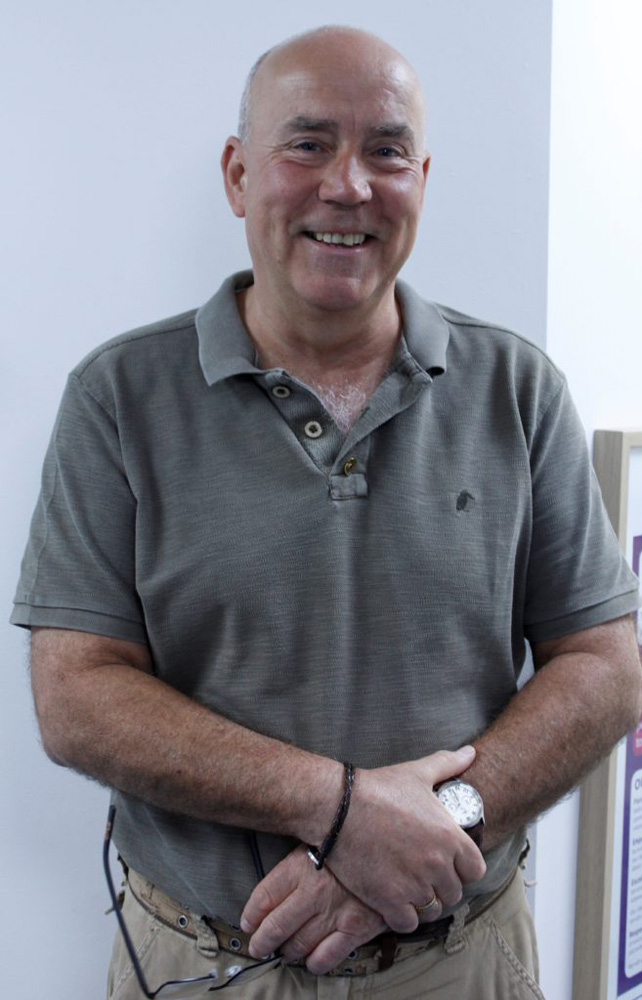 April 26, 2016, morning: an individual who was confident, self-assured, respected and professional. Enjoying life and work.